Continuing the ongoing series of interviews with creative artists working on various aspects of movie and episodic productions, it is my pleasure to welcome Stefano Baisi. In this interview, he talks about transitioning from interior design to designing film productions, what art is, building the worlds that support the story, and his thoughts on generative AI. Between all these and more, Stefano dives deep into his work on the just-released “After the Hunt”.
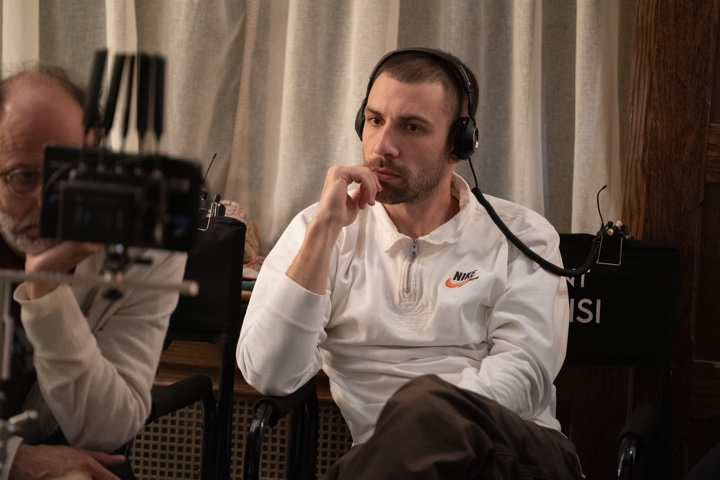
Kirill: Please tell us about yourself and the path that took you to where you are today.
Stefano: I graduated in architecture years ago and I started working in the interior design field here in Milano. Over the years I experienced different styles of projects, including working on fashion shows as a PA early on. After a while doing residential and retail projects, I met Luca Guadagnino. A friend of mine – a photographer and architect that used to study and work with me – met Luca on a photography assignment by a magazine. That was at the same time when Luca had his first commission as an architect and as an interior designer. They started designing a villa together on Lake Como, and after a while, they needed help. That’s how I met Luca back in 2017.
It started from that one project of a director that decided to do a design project, and grew over the next five years into a full interior design studio. During that time, I think I expressed my attitude in designing, and in 2022 Luca asked me to design “Queer”.
Kirill: How was your transition from the world of interior design into doing production design for film?
Stefano: When you design for the movie, you must be coherent to the movie and adhere to the story – instead of designing something because it’s beautiful. The environment is an extension of the characters. That’s how I approach it.
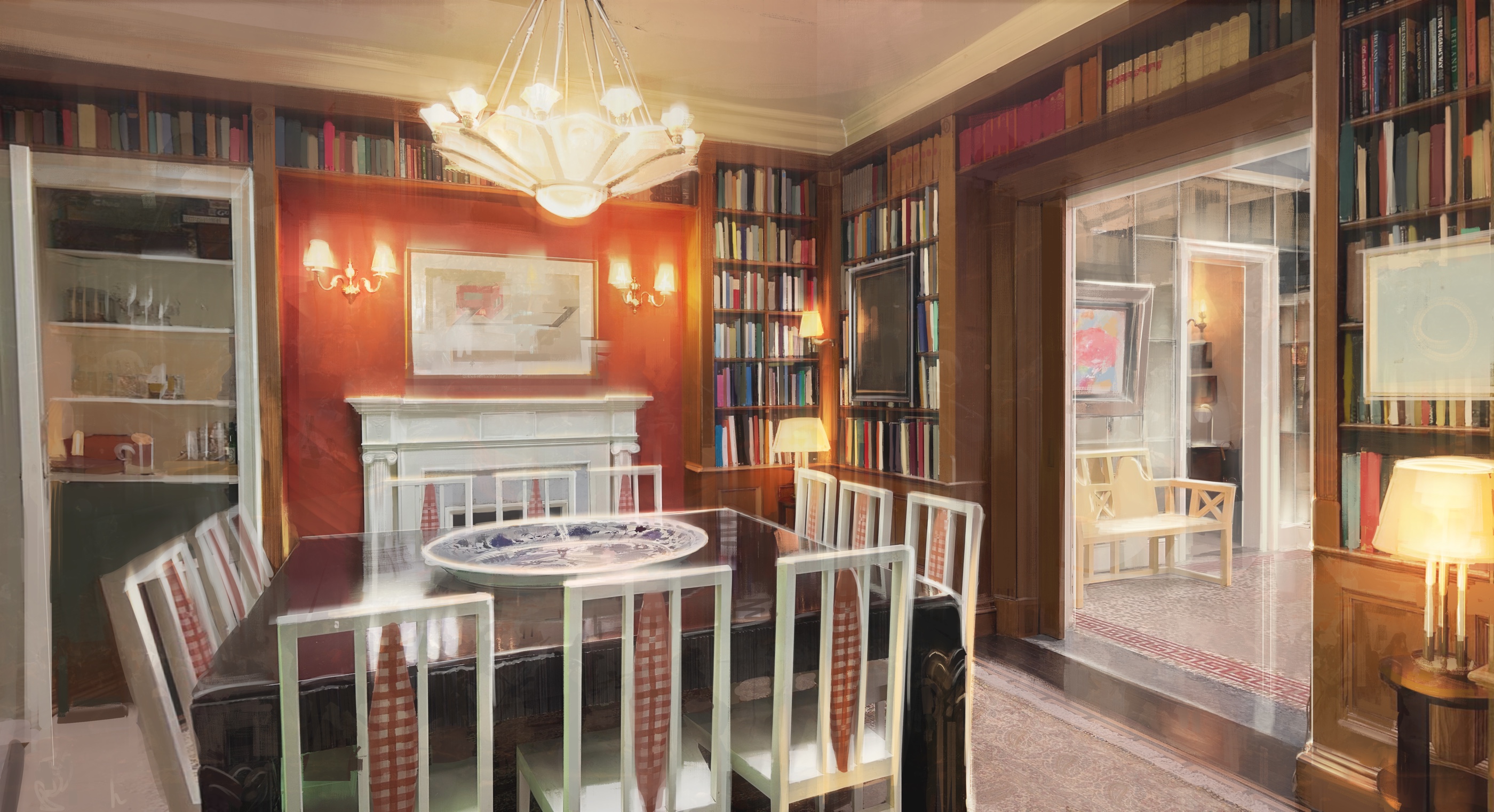
Design illustration for “After the Hunt” by Stefano Baisi, courtesy of Amazon MGM Studios.
Kirill: How do you see the role of a production designer? What do you think is not well understood about it by the outside world?
Stefano: From my own perspective, I can see the work of other people and understand the depth of the work that exists behind the production. For production design specifically, I would say that people don’t understand how much work goes into it, and how little time we have to do it.
We started prepping “After the Hunt” in May 2024, and the movie wrapped in mid-August of that year. That’s not a lot of time. When you design a space like Frederik and Alma’s apartment, the audience might not see the level of detail and thinking that went into every choice – from the colors on the walls to every single piece of art and every book on the shelves. There are thousands of books in Frederik’s study, and choosing each one gave his character more depth. You can’t always see how deep it goes, because most of the time it’s in the background, and maybe blurry and out of focus. There’s a lot of research and work behind a production like this one.
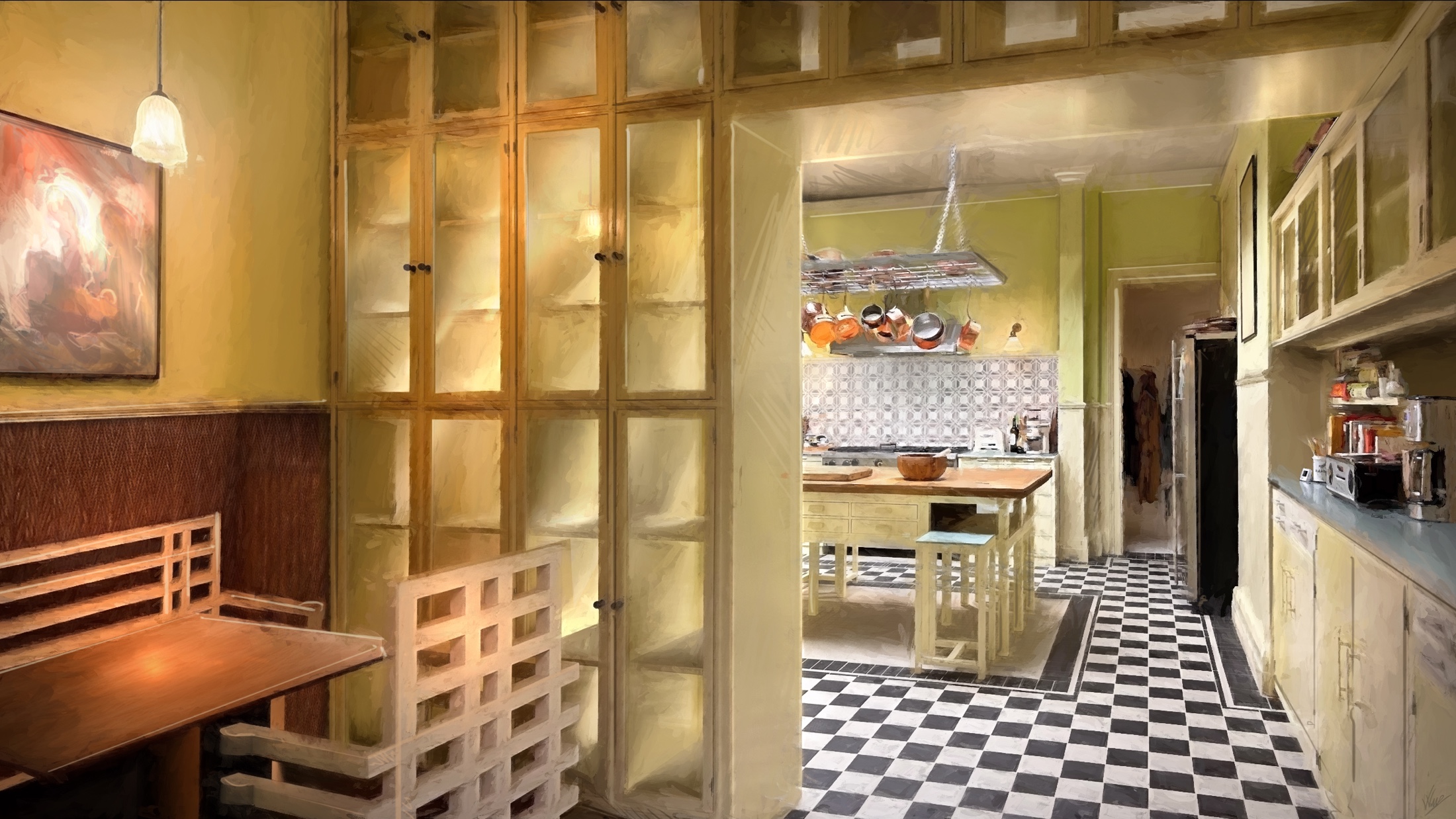
Design illustration for “After the Hunt” by Stefano Baisi, courtesy of Amazon MGM Studios.
Continue reading »
Continuing the ongoing series of interviews with creative artists working on various aspects of movie and TV productions, it is my honor to welcome Rick Carter. His wonderful career has brought us the worlds of the original “Jurassic Park” and its “The Lost World: Jurassic Park” sequel, “Forrest Gump”, “Cast Away”, “Polar Express”, both sequels in the “Back to the Future” trilogy, “Star Wars: The Force Awakens” and “Star Wars: The Rise Of Skywalker”, “Munich”, “Lincoln”, “A.I. Artificial Intelligence” and “Avatar”. He has won Academy Awards for the production design of “Avatar” and “Lincoln”. In this interview Rick talks about building a world that serves the story, the expansion and evolution of the role of the production designer in the last 50 years, the magic of watching these stories on big screens, and what advice he’d give to his younger self.
This interview is the third and final part of a special initiative – a collaboration with the Production Designers Collective that was founded in 2014. This collective brings together over 1,500 members from all around the world, sharing ideas, experiences and advice across the industry. We talk about its goals and initiatives, and the upcoming second International Production Design Week scheduled in mid-October this year. Here you can browse its full program, where you can filter by country, city, category and more to find an event near you.
Kirill: Please tell us about yourself, and how did you start in the industry.
Rick: I grew up around the Hollywood filmmaking industry because my father was a publicist. I knew about it a little bit from the inside, but I wasn’t sure I wanted too much to do with it. After I went traveling extensively as a young man, it seemed to fit because of the art that was embedded in the art direction. It felt like that it would be a good path for me to see if I can make my way.
I think I came in also to a fortuitous time because the industry was in the midst of a lot of changes. This was in the early 1970s, and I was able to meet some people that I got along well with. So I had it quite good, because once I met Steven Spielberg and Robert Zemeckis, I had 20 years of the two of them as these two brothers, almost an older brother and a younger brother that I could collaborate with. They were so good at what they were doing in terms of making movies, and they took me along for the ride. I attribute a lot to where they went with their ideas and how those were realized.
It felt like I was growing up going on those adventures through the movies that we did together, from “Back to the Future” to “Jurassic Park” to “A.I. Artificial Intelligence”. There were so many adventures to go on in the stories – time travel, dinosaurs slave ships and islands, the future with the AI. I was introduced to so many worlds, and then I was the one who got to be in charge of making the worlds. That was an adventure to be called upon from my early thirties to my mid fifties. They were jobs, but it wasn’t that formal. It felt more like I was being invited to partake of their fantasies. And they were very interesting people, and they were successful with what they were doing.
 Kirill: Would you say that you got to participate in this transition from special effects to visual effects? What kind of world building it unlocked for you?
Rick: There was the digital revolution, moving from analog to digital, and from optical to digital. The expansiveness of the digital realm has opened up how big the worlds can be as they come across on screen. They’re not necessarily built out more physically, and so the production design is more split now between the physical and the digital side of it.
It can be an historical world or a fantasy world, but they all share the same DNA for me. I ask myself how could I believe this? How could I truly be inspired to be at that place? That’s what I try to bring to the production design – the authenticity of the place that I’m in. I want to have it feel like it serves the story in the right way. And also, it needs to come together emotionally to be supportive of the actors and the narrative of the story. It’s an intuitive process, and there are many levels to manage through the process, be it set decoration, illustration or digital arts.
As production designers, we’re in the midst of this expansive arena, and it keeps on expanding as the technology keeps on expanding. Generative AI is just the latest example of this.
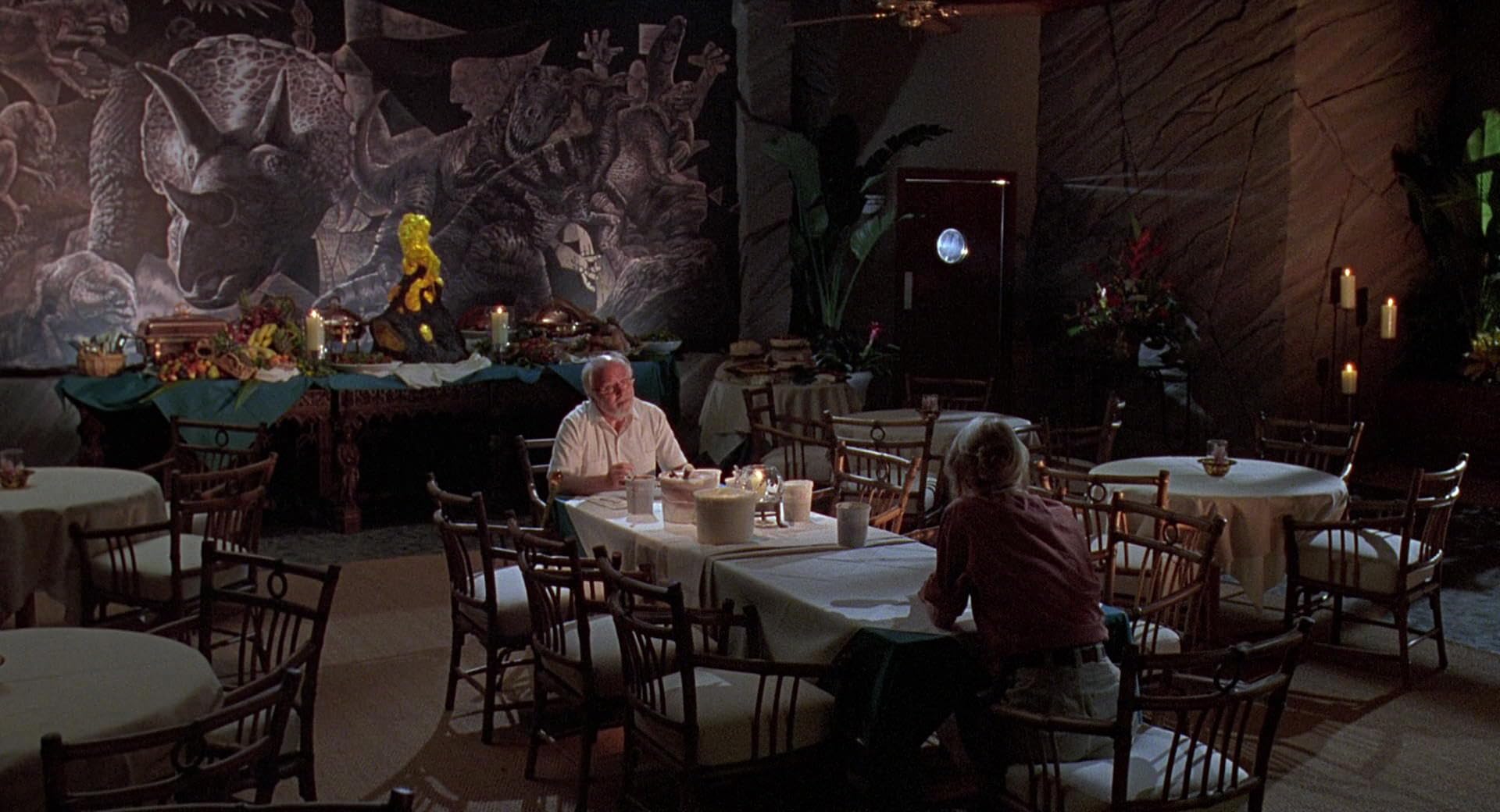
Rick Carter’s work on “Jurassic Park”.
Kirill: How do you see the role of the production designer evolving over these last few decades? I’m partial to the ’50s and the ’60s, with Hitchcock and Kubrick as some of my favorites. I just rewatched “Breakfast at Tiffany’s” and “To Catch a Thief”, and there is no production design credit. It was art direction, which later morphed into world building, and separating – or maybe elevating – the role of the production designer.
Rick: The elevation creation of the production design credit happened all the way back in 1939 with “Gone with the Wind”. They gave William Cameron Menzies a special title called production designer for that production, because he had so much involvement in all the development of the whole movie getting made.
But at that point, most people that were in the art direction end of it – they were art directors. Then, as you said, production design started slowly getting credibility through the ’60s into the ’70s. That gets to the era that I’ve been involved in, starting in the ’70s and all the way until now, where the movies have become so complex that more often than not, I’ve had co/production design collaborators. The role is so big and so diverse, and it’s important to have a way of making it cohesive, which often is beyond the capacity of one person. And it’s never really one person anyway. It is so collaborative. There’s so many people involved.
It certainly has expanded during my time. It used to be about drawing up physical sets and maybe do some illustrations, but nowadays it is about world building. We’ve also seen many games taking advantage of world building. You might or might not have a narrative in a particular game, but the world is still in there.
I don’t know where it’s going from here. It’s extremely expansive because of how much even my own minimal experience with the AI has been. I look at the AI as a partner and not a tool. It’s an advancement of what started with the digital revolution, and now it’s going that much further. You mentioned Kubrick, and he is in many ways a godfather of the concept of the AI. It wasn’t specifically digital in “2001: A Space Odyssey”, HAL is the entity brain. And then I got to work on “A.I. Artificial Intelligence” which was Kubrick’s concept.
I am old enough to have been around at those times, and that was my learning curve to see it a little broader than most people see it now – in the evolution of it from the analog times in the beginning of production design, through going into the digital realm to design worlds. Calling it “worlds” is an interesting way for people on the outside to perceive it. It’s almost a magician’s act. You’re always involved in something that the audience can see. But you have to really look at it and admire it. And when you’re admiring production design, you’re not into the movie. It’s almost going antithetical to how most people like to watch movies.
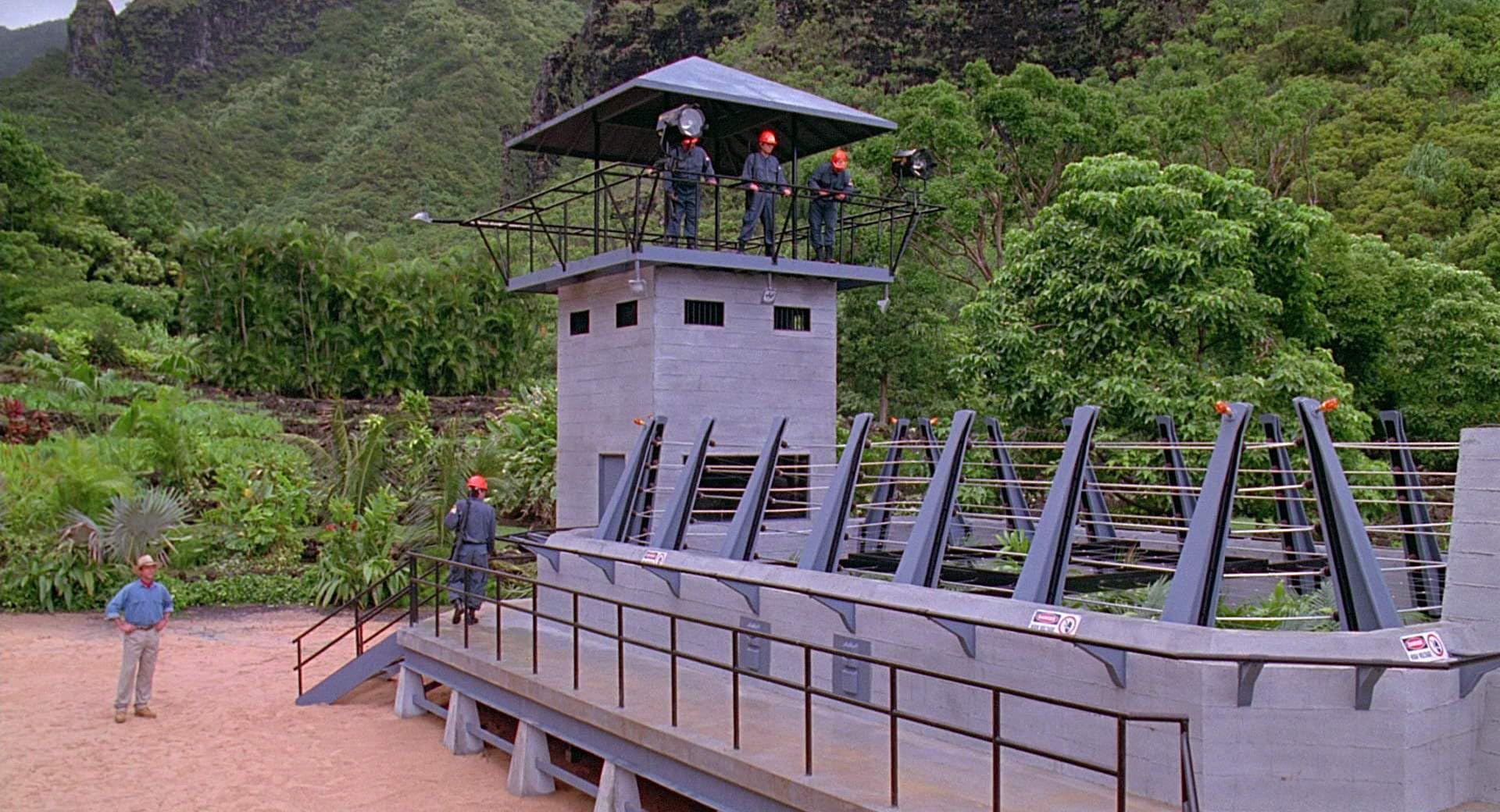
Rick Carter’s work on “Jurassic Park”.
Continue reading »
Continuing the ongoing series of interviews with creative artists working on various aspects of movie and episodic productions, it is my pleasure to welcome Kathrin Eder. In this interview, she talks about collaboration and fostering creativity, the importance of tactile work, challenging the viewers through her stories, the impact of Covid on the industry, and her thoughts on generative AI. Between all these and more, Kathrin dives deep into her work on the just-released “The Man in My Basement”.
 Kirill: Please tell us about yourself and the path that took you to where you are today.
Kathrin: My name is Kathrin Eder, and I am a production designer. I’m originally from Austria, where I grew up in the time before cell phones and the Internet. My village didn’t have a permanent movie theater; instead, the convention center would occasionally be converted into one. That was where I first discovered Disney films, with their brutal storylines of loss and their magical approach to visual storytelling.
Later in my teen years, I felt a calling toward the visual arts. With my limited access to the university system in Austria, I applied to the Academy of Fine Arts in Vienna but was turned down. Looking back, it was the best thing that could have happened to me. It led me to study social and cultural anthropology, which allowed me to explore philosophy, sociology, ecology, and the grand sciences that make up the human experience.
I always had a need to travel, and on one of my trips I met someone who invited me to Los Angeles. When I arrived, I realized I could pursue my curiosity for art in a different way than in Austria. I didn’t need pre-given talents – I could be curious and naive, and that freedom spoke to me. I originally wanted to become a screenwriter, without really knowing what that meant. But through a fine arts internship with local artists, I discovered production design and soon became an intern to a production designer on a music video.
The first time I stepped on set, I felt like production design had chosen me. It was one of those rare moments when everything made sense. From then on, with the support of friends who believed in my growth, I took filmmaking seriously. I wanted to understand storytelling, mythology, and world-building. That curiosity led me to teach myself design – by working on short films, collaborating with students, and starting out in the indie world. It’s been a journey now for about sixteen years.
Kirill: Is there anything that you’ve seen on your projects that was particularly surprising?
Kathrin: There’s a surprise in every story. I believe that as much as we choose projects, projects also choose us. Every story that enters your life is, in some way, connected to your own experience. Each project becomes a vessel – a moment in time where, through collaboration, you can reflect on your emotions, your pain, and sometimes your most personal experiences. I’m always struck by the unexpected moments when something – or someone – truly resonates. The first surprise is always the emotional connection you make.
As to execution, I believe creativity is malleable – there’s never just one right idea. Communication fuels creativity, and the most beautiful surprises for me always come when communication flows easily with collaborators. You enter a mental space that feels familiar from childhood. When you’re fully immersed in the creative process, there’s no fear and no boundaries. You’re in that place where judgment disappears, and reaching that point with colleagues is always a truly beautiful surprise.
Another surprise is that no matter how much you plan, there will always be coincidence. Coincidence can be a beautiful addition to what to what your plans are. Coincidentally, a color doesn’t turn out the way it should be. Coincidentally, a wallpaper that was shipped to you has water stains on one side and creates a new pattern. It’s tiny instances like that.
When you collaborate with others, you can never assume they’re seeing things the same way you do. You can’t assume they share your perspective or your assumptions. What comes out of that collaboration can be surprising – and often, endearing.
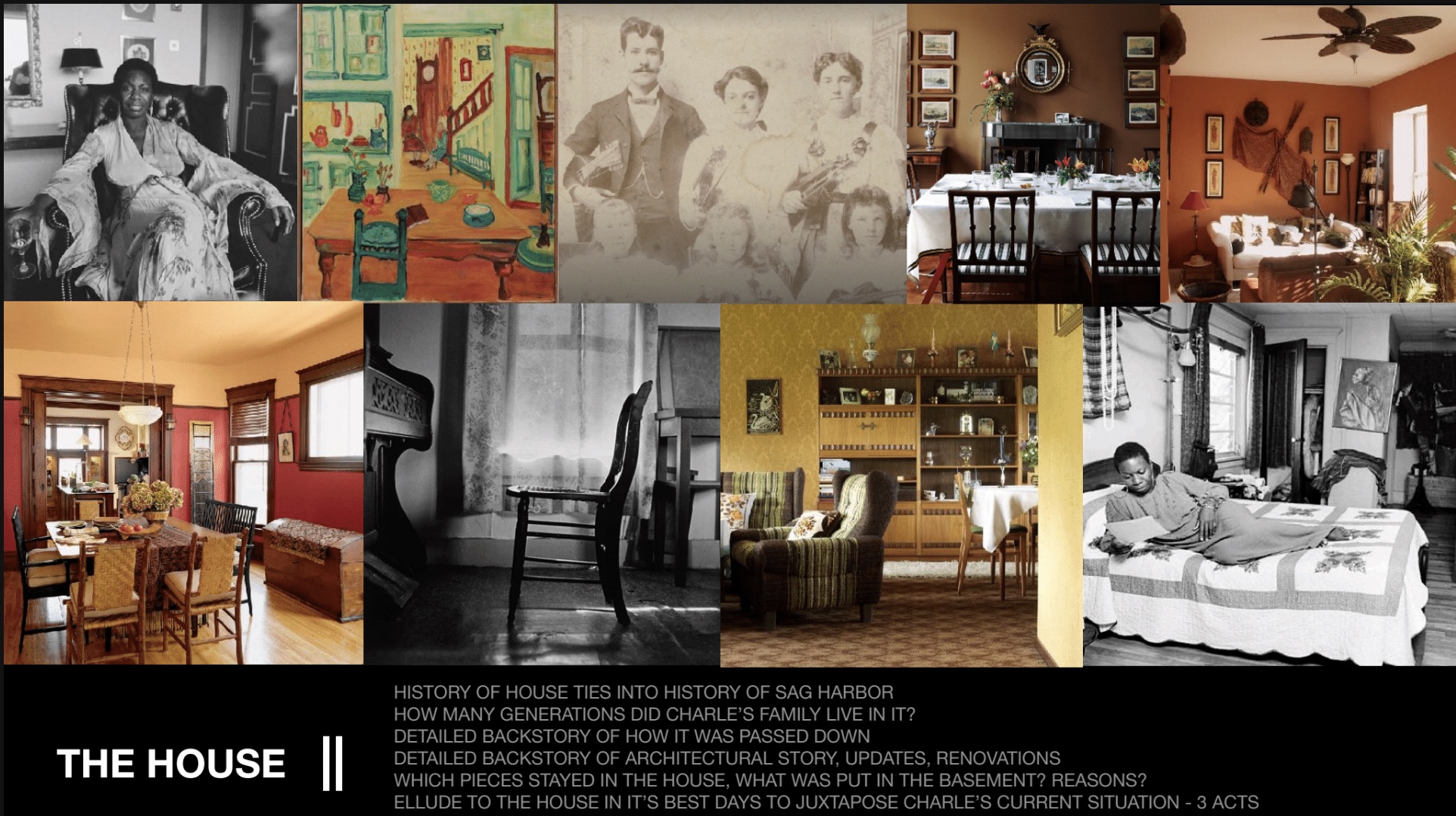
Lookbook development for “The Man in My Basement”, courtesy of Kathrin Eder.
Kirill: Do you feel that anybody can be an artist?
Kathrin: Yes, I think so. I don’t consider myself an artist. I consider myself a craftsperson – someone with many passions.
The reason I left Austria was because the image of “the artist” there felt so tied to old aristocratic principles, rooted in our history. It created something elitist, something I felt ordinary people couldn’t access – and I never liked that. To me, art prospers in conflict. Art prospers where there is struggle. It is a form of expression, a form of storytelling, and it runs in our DNA to be storytellers.
To become someone whose creations are appreciated by others, you need dedication and curiosity. You need to reflect on your own growth, to train your skills, to consistently be in dialogue with yourself. At its core, art is an expression of the human soul – and everybody carries it within them.
Kirill: Is there such a thing as objectively good and bad art? I have my own reactions to different stories, and so does everybody else, and different people like different things. But there are also some artists and works of art that are universally considered to be masterpieces. How do you see it?
Kathrin: I’ve thought about this so many times. Recently I was in Venice at a Da Vinci exhibit. You look at his work and you can’t help but bow your head – you’re humbled by the idea that some human minds simply think differently, with a clarity of vision that feels beyond reach.
In our world today, I feel that same sense when I look at certain directors and screenwriters – how they interpret the world and present it back to us. Their work moves us, teaches us, and immerses us in experiences we’ve never known before. One of my favorite authors is Ken Liu. When I read his short stories, I feel deeply connected to what it means to be human. No other writer has ever triggered that kind of emotional response in me. So yes, I do believe there are people of extraordinary talent.
But then there’s another conversation – about good and bad. As humans, our rationale is built on opposites and polarities. We like to categorize things, to orient ourselves. If there’s “good” art, then by judgment there must also be “bad” art – because we’re naturally biased. I do it myself. I don’t like certain pieces. That’s only human. I don’t have a clear answer. Sometimes you just ponder it, drift in it, and see where your thoughts take you. What I know is that I love appreciating the work of others when it truly touches me. That emotional connection – it makes me feel alive.
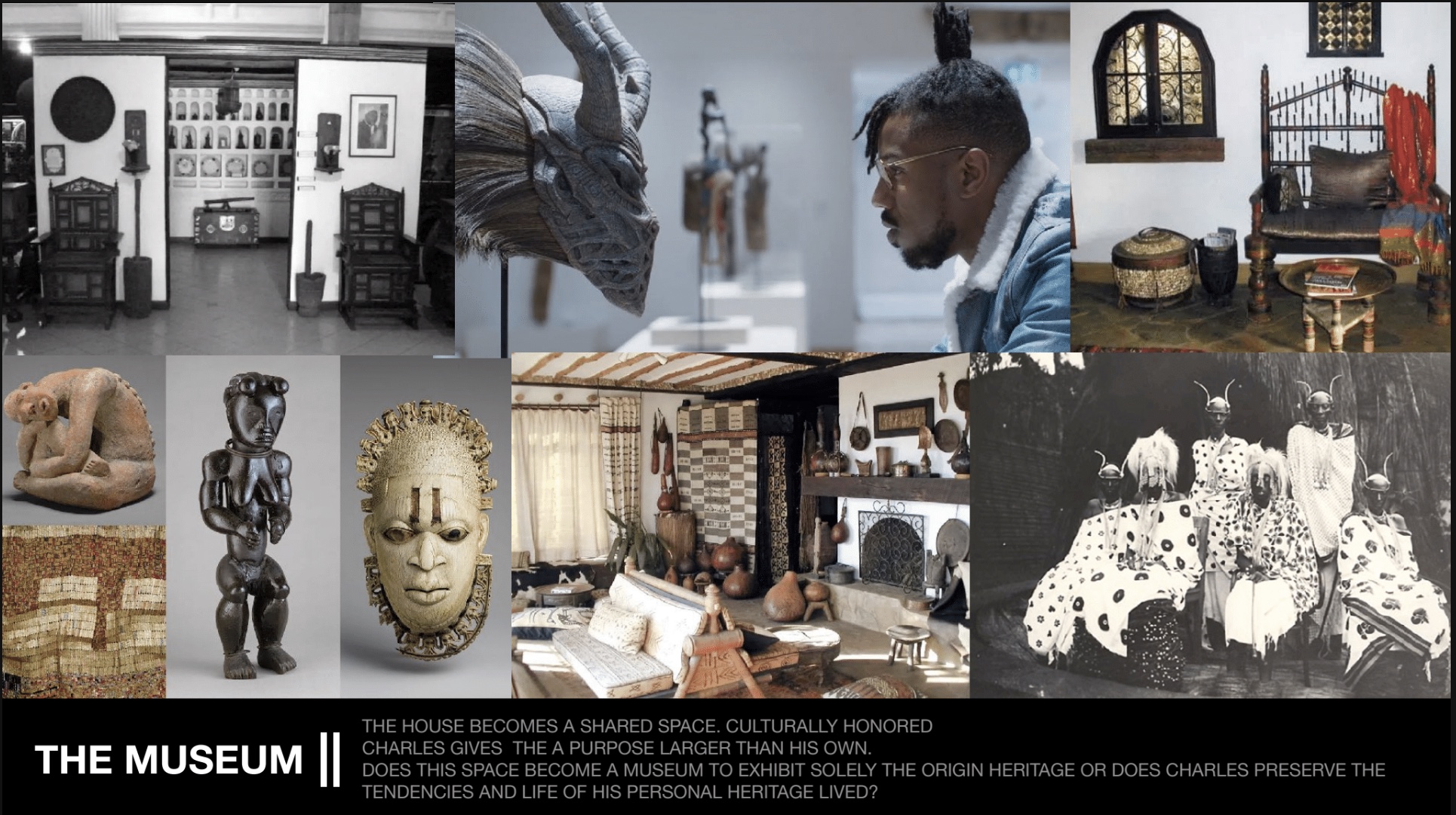
Lookbook development for “The Man in My Basement”, courtesy of Kathrin Eder.
Continue reading »
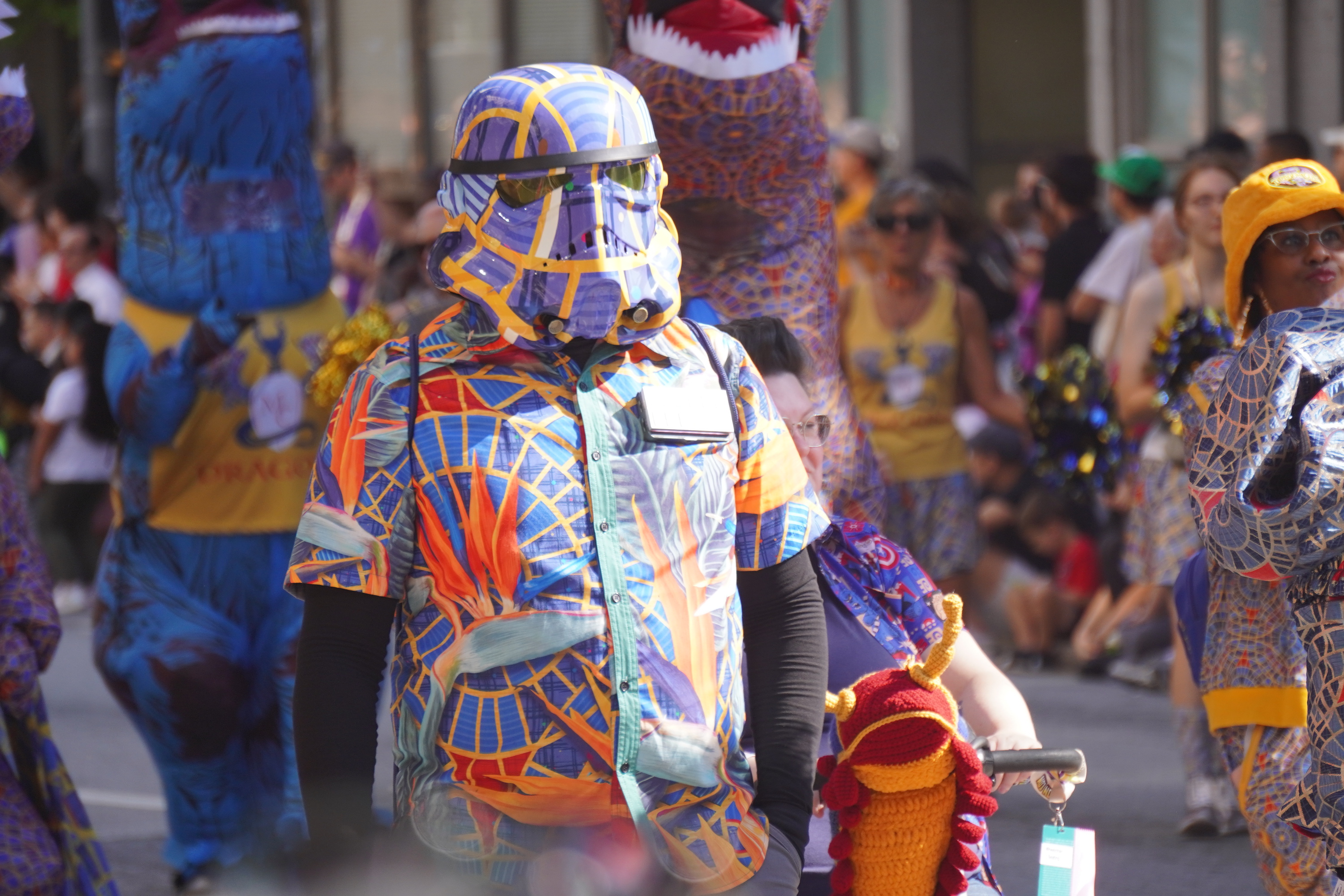
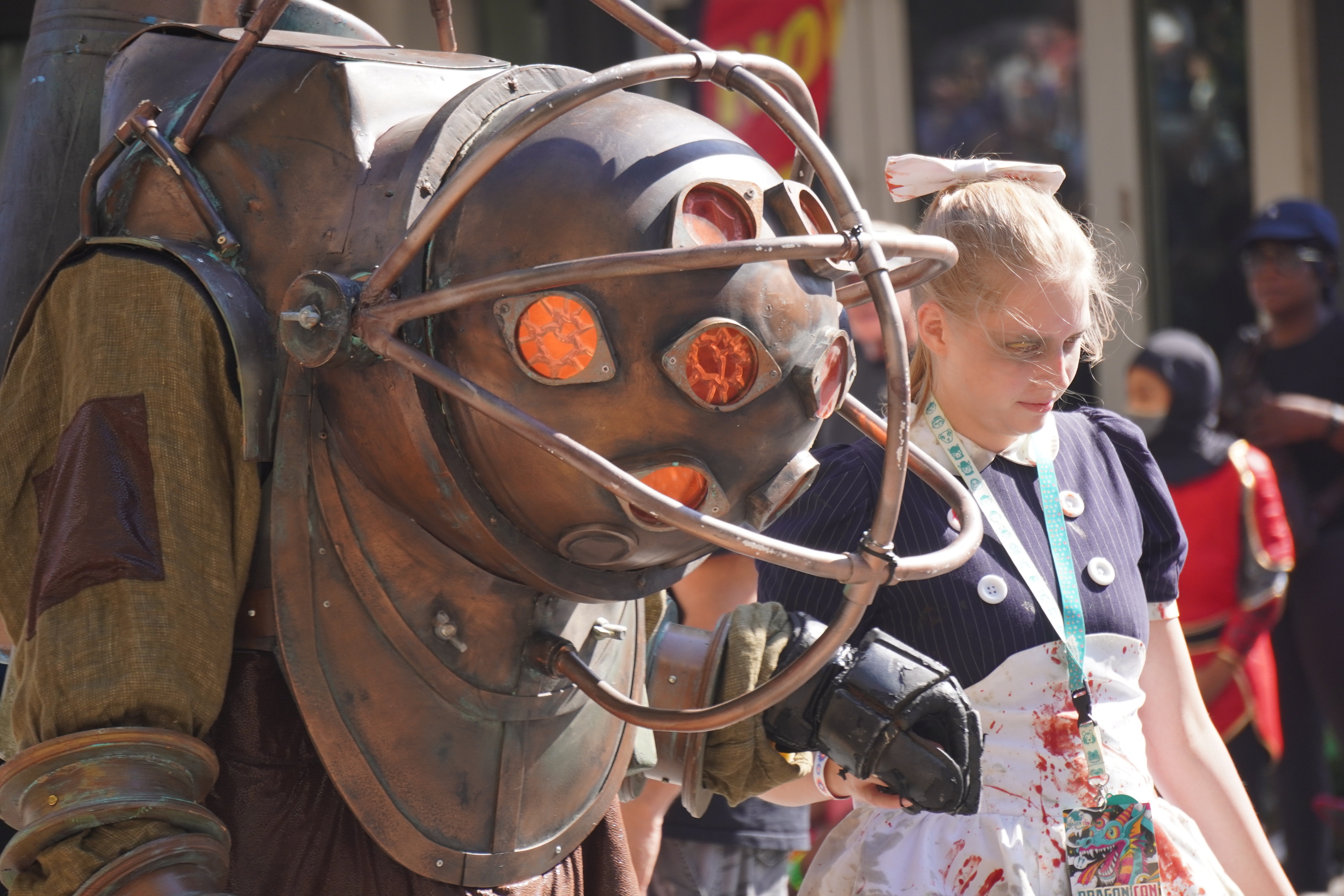
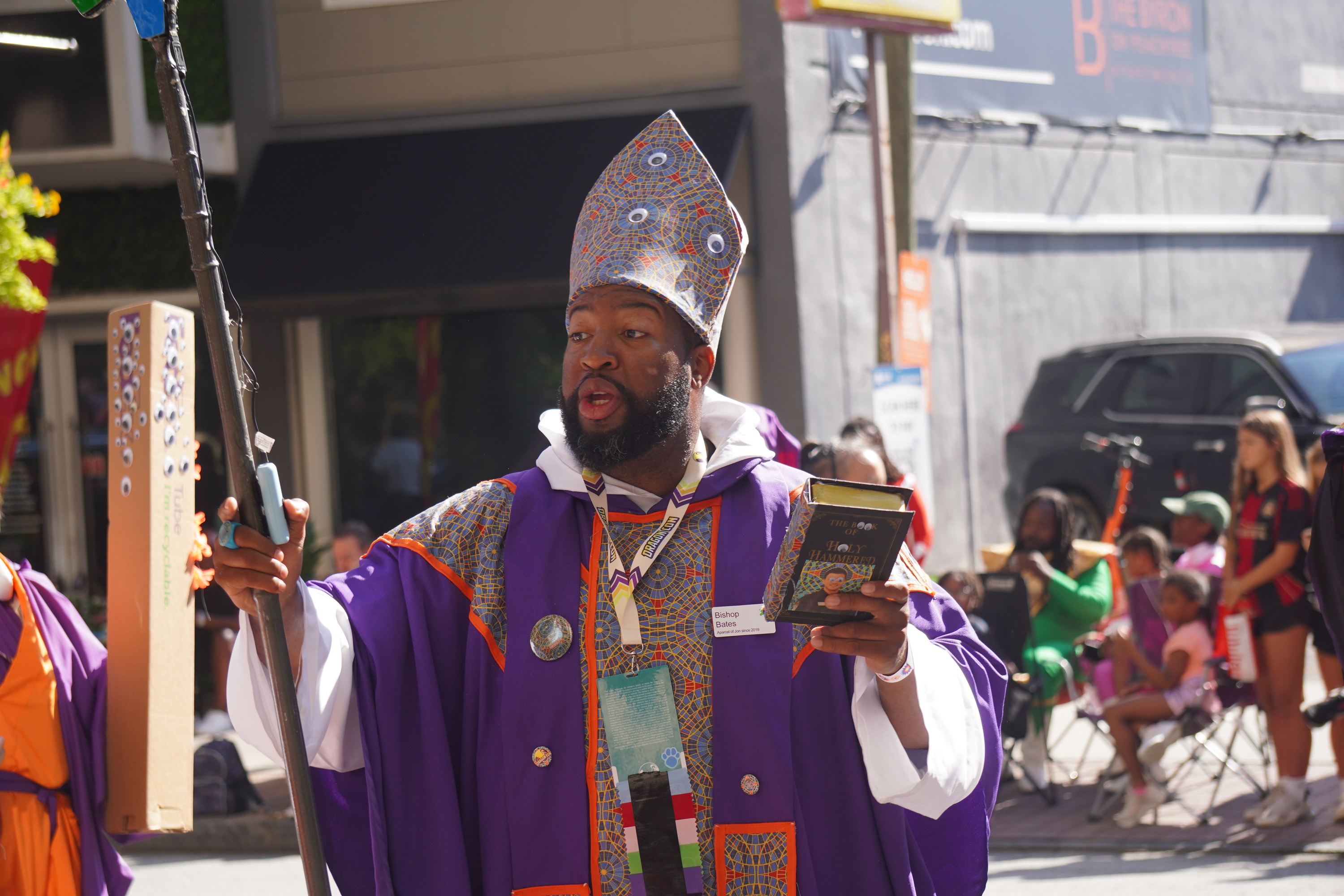
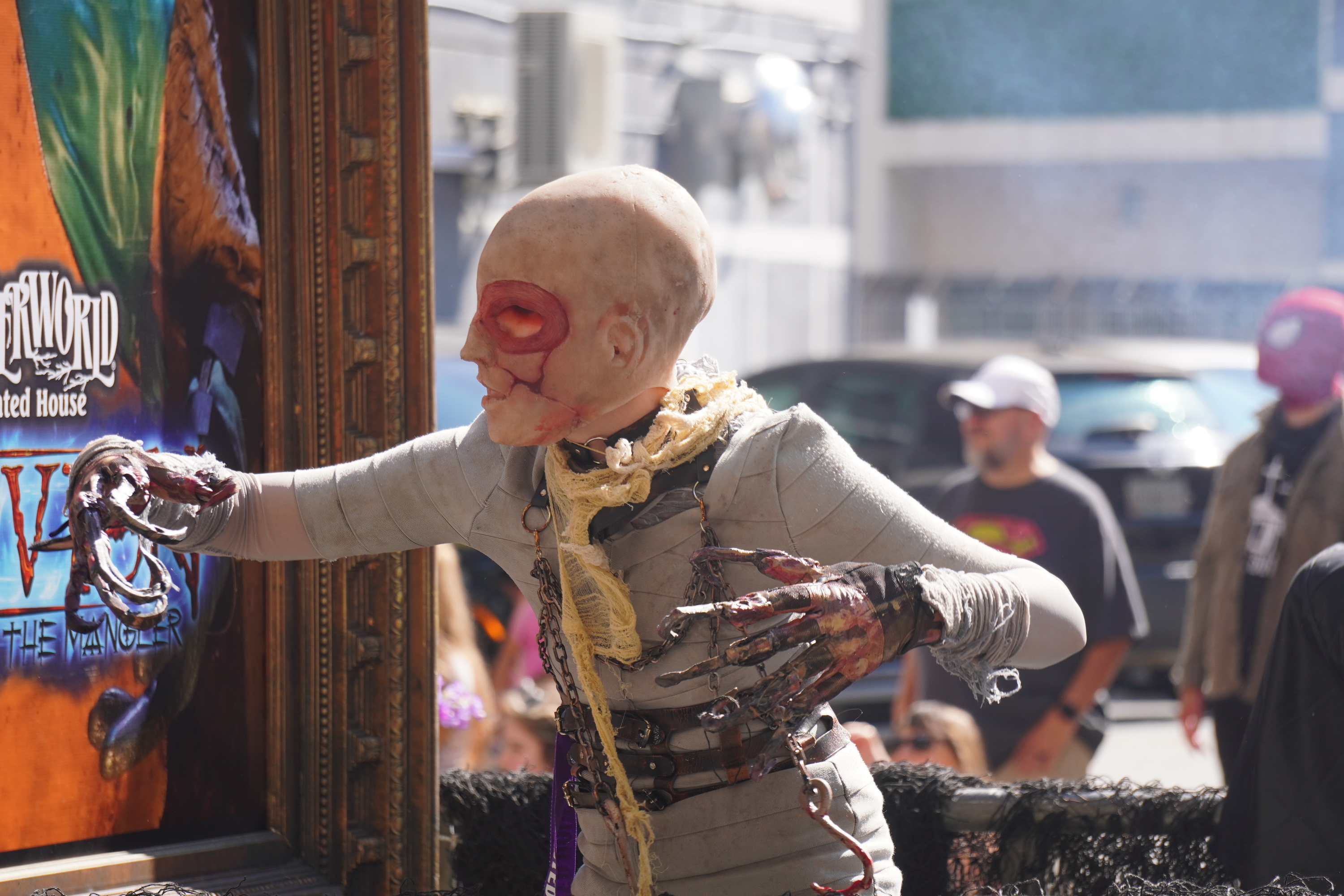
As usual, DragonCon comes to Atlanta over the Labor Day weekend. These are my personal highlights from the opening parade this year.