Continuing the ongoing series of interviews with creative artists working on various aspects of movie and TV productions, it is my pleasure to welcome Ula Pontikos. In this interview she talks about the beginning of her career and technical changes in the last 15 years as the industry has shifted from film to digital, the various facets of cinematographer’s responsibilities on and off the set, and her approach to choosing the productions to work on. Around these topics and more, Ula dives deep into her work on the TV mini-series “The Game” and the recently released “Film Stars Don’t Die in Liverpool”.
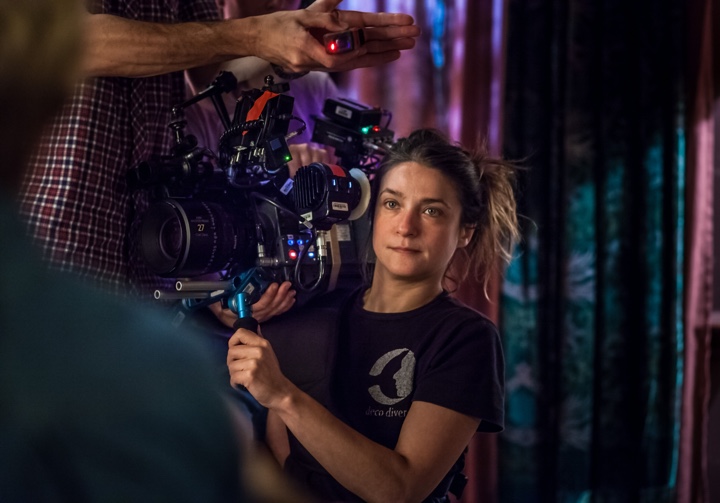
Ula Pontikos on set. Photography by Stefan Lange.
Kirill: Please tell us about yourself and your path so far.
Ula: When I was studying at Ravensbourne College (I’m originally from Poland), I met Allan Fyfe who taught me basic knowledge of film cameras. Allan used to work for Arri Group and he took me under his wing. I bothered him with countless questions about cameras and lenses, but that did lead me to my first job as a trainee! I was really lucky in that role, as I worked for Chris Menges BSC, ASC on “Dirty Pretty Things”. Chris always made very detailed notes, and I was charged with taking continuity stills on his Polaroid camera and noting the contrast ratios.
From there, I assisted for another 6 years before I got accepted to the National Film and Television School. Coincidentally, my last job as an assistant was again with Chris.
The NFTS was such an inspiring place. Nic Powell was the head of the film school, and enthusiastically supported students with their personal project ideas. Mine was directing and filming a short documentary in Xinjiang, China. Equipped with a stripped down version of Aaton XTR (I took video assist off and had only one magazine) and 10 rolls of film, my boyfriend at the time and I filmed a documentary about the jade diggers of Yurunkash River. The story was really about trying to strike it rich, to get the big prize of one million yuan. They came each winter to dig the river bed, by themselves or as groups, but they all hoped to get lucky and win that lottery.
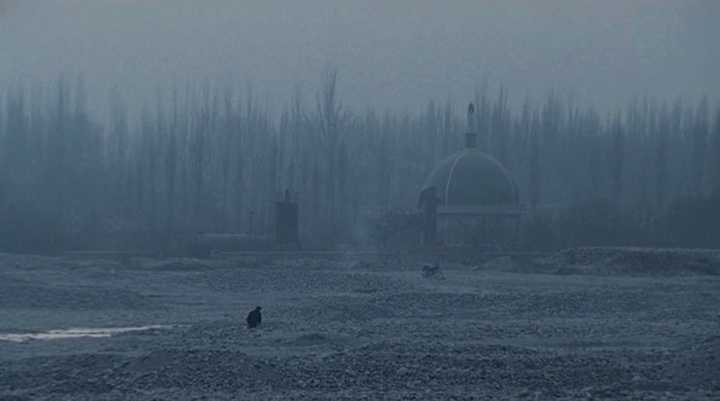
Cinematography of “China’s Wild West” by Ula Pontikos.
I felt very lucky when my documentary “China’s Wild West” premiered at Sundance in 2009, which was my dream festival.
Since graduating the NFTS, I’ve concentrated on narrative form. I had a number of jobs shooting shorts which led me to my first feature film “Weekend” with Andrew Haigh.
Kirill: Do you find yourself surprised when you join a new production and start working on it?
Ula: I feel I do my best work on projects that I feel passionate about. I love reading scripts that spark my imagination. I love feeling moved by the characters and the feeling of connecting with protagonists.
Every story is different. Every single project that I’ve done so far came with its own challenges. And every project has different technical aspects: from a handheld look to multiple cameras, to long takes, to back projections. I love the challenge and surprise of each new job.
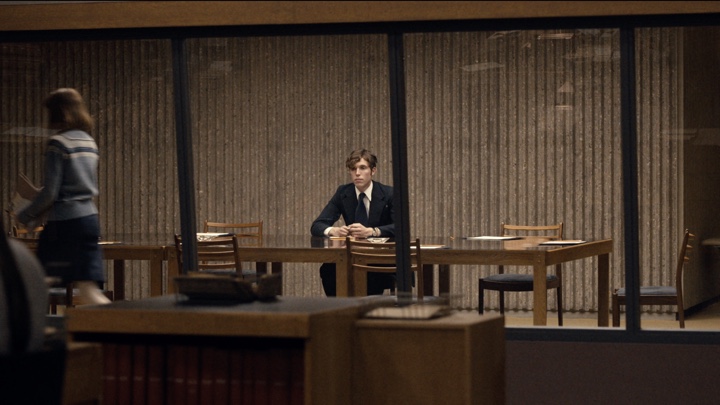
Cinematography of “The Game” by Ula Pontikos.
Continue reading »
Continuing the ongoing series of interviews on fantasy user interfaces, it’s my honor to welcome Stylow. In this interview he talks about breaking into the world of screen graphics, the ever-raising bar in the field, finding inspiration and pushing forward. In between and around, Stylow dives deeper into his work on the screens of “Ghost in the Shell” and “Ready Player One”.
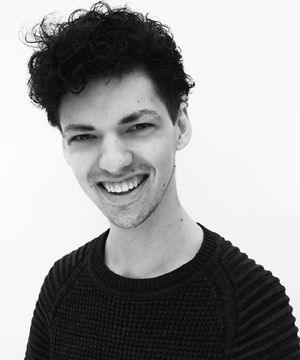 Kirill: Please tell us about yourself and the path that took you to where you are today.
Stylow: I’ve always been creatively active without me realizing it. My parents were always involved in the creative industry; my mom is a singer and my dad is a dancer, stepdad an actor, so I was always surrounded by creative individuals.
As I kid I was always active. I remember I spent a lot of time playing with Kapla blocks, making all these weird structures. I had books of them which were basically tutorials for kids on how to make certain structures. I also went to a Steiner school where they focus on the children and bringing the best out of them through arts. You are exploring creativity through painting, sculpting etc at very early age even in classes like math or biology.
Much later on I was really excited by the VFX industry when I saw “The Matrix”. I was blown away. It was insane, and I was just trying to understand how they’ve done it. I was around 15 when I started looking at behind-the-scenes of how you make movies and how you do certain VFX. I then discovered Photoshop, and I initially thought it was a program to edit cars with.
I was playing with Photoshop, and that later led me to making VFX in AfterEffects. For quite a long time I was stuck in this world of 2D, I always admired 3D work because the possibilities are endless. I didn’t do 3D, so I was trying to fake it in AfterEffects by using 2.5D effects.
After a while I told my step-dad that I will spend a full year doing dailies around the age of 23. It’s quite famous nowadays on Instagram, you see it everywhere. He liked that decision, because he saw that I wanted to push myself. I was never spending any time with 3D, so to actually learn it I would have to dive deep into that world. When he heard that, he said that if I miss a day, he would shave my hair [laughs]. I agreed, and that was our little contract. That got me going for 365 days and I learned so much by just sitting down everyday and learning from tutorials. Anything I saw and didn’t know how to do it, I would google it and try to mimic it.
That is how I got into the industry. It was through posting that work every day on social media. I got in contact with studios, and eventually worked with Territory where I’ve done most of my UI work.
Kirill: Do you think that you are a part of a newer generation that was not exposed as much to the more physical side of design? Would you say that the digital side of it has been the dominating force on your path so far?
Stylow: Technology is advancing so fast that these days you can do very cool things with very cool software. I remember back when I was trying box modeling. I started with Maya and then went to Cinema4D, and it was difficult. I think that technology definitely helps making it quicker for, let’s say, the younger generation out there.
And it’s good to know how difficult it was as well going into that space. You should know some of the basics, how it was before, so that you can adapt to that new space which is 3D. It’s like sculpting with actual clay can be transferred these days to sculpting in software, or lighting an object for photography vs CGI as well. I still try to think how would you light this if it was an actual physical thing. So knowing the real thing will help for sure.
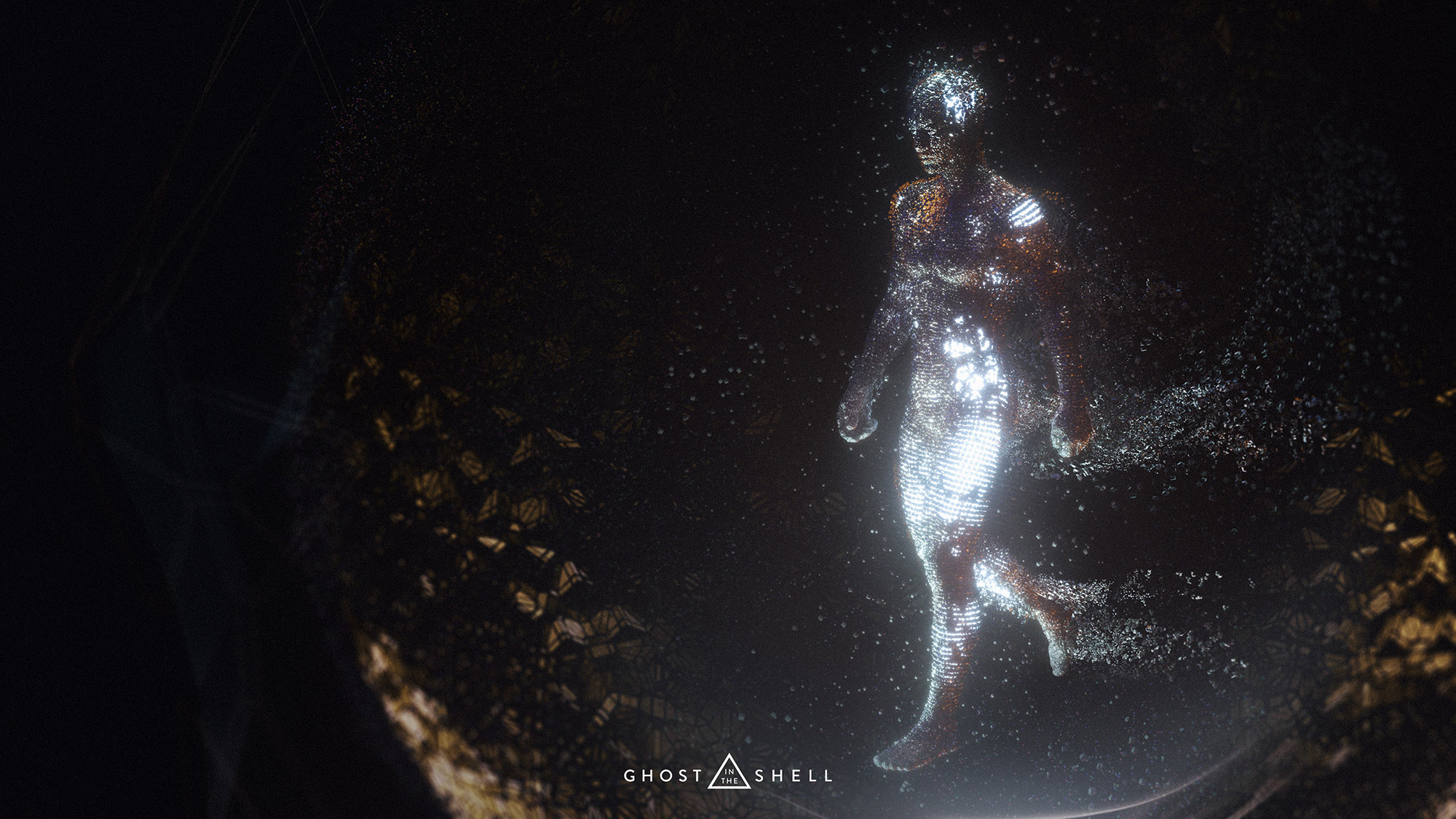
Concept art for “Ghost in the Shell“, courtesy of Stylow.
Kirill: One thing that people always mention in these interviews is that render times stay roughly the same no matter how much the underlying technology progresses. The hardware is getting faster and the software is getting more sophisticated, but the level of demands from clients and productions keeps on rising as well.
Stylow: It’s the natural evolution of almost anything, really. When something is quick and easy to do, I guess you don’t feel fulfilled in some ways. I start feeling that I haven’t pushed it far enough. I was working with a 7-GPU system, and some renders in OctaneRender were so quick that it feels like you have to add more and go another level deeper or at least it gives you the possibility to now do more thanks to technology moving forward so fast. You’ll definitely always push that bar.
I think it will never stop, but the teams might become smaller because of that. There are amazing artists out there these days. Somebody talented can make a full CGI short by themselves, and nobody would take you serious if you said that just 20 years ago [laughs].
Kirill: I remember when I was in college in mid ’90s, and the high end graphical SGI stations cost over $150K each, not even adjusted for inflation. Probably today it’s much more affordable to get into the field, where you can get a decent desktop machine for so much cheaper.
Stylow: We were talking about pushing the bar. So yes, it is easier to step into it because the tools are way cheaper, but the bar is so much higher now. It’s almost scary to start in that aspect. You have all these amazing artists out there, and it’s daunting to look at it when you’re just starting out. The bar keeps on going higher and higher because in some aspects of that the tools are cheap.
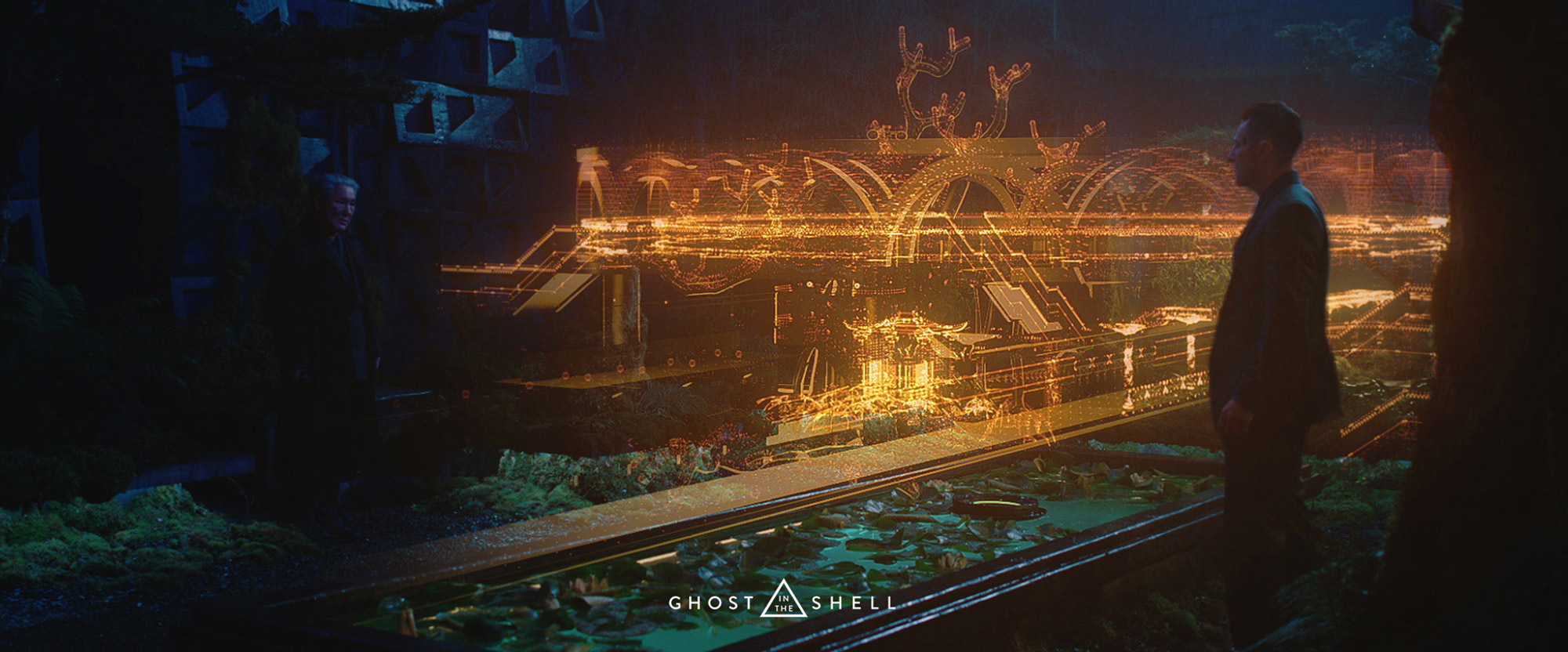
Concept art for “Ghost in the Shell“, courtesy of Stylow.
Continue reading »
Continuing the ongoing series of interviews with creative artists working on various aspects of movie and TV productions, it is my pleasure to welcome Peter Albrechsten. In what is my first interview on sound design in this series so far, he talks about the language of music and his love of storytelling, creating the sonic identity for his productions, manipulating sound and building his library over the last twenty years, the research he does when he joins a new project, and working with a variety of screening platforms and formats. Around these topics and more, Peter dives deep into his work on “The Last Race”, a glimpse into the world of a Long Island stock car racetrack that is clinging to its tradition as the world around it goes through a real estate development boom.
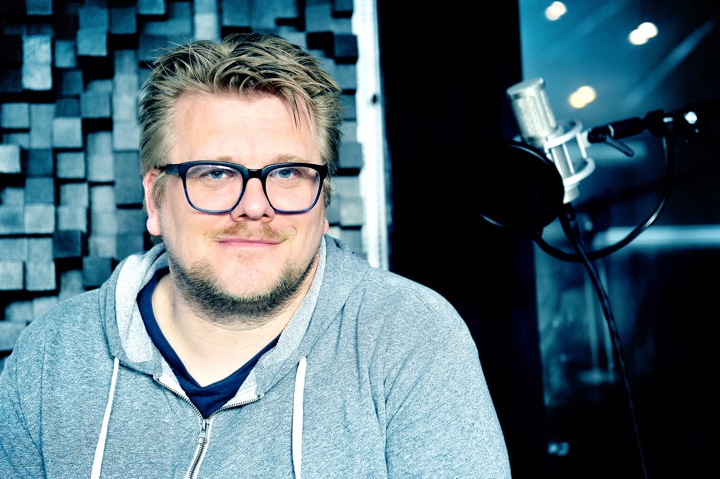
Peter Albrechtsen
Kirill: Please tell us about yourself and what brought you to where you are today.
Peter: My name is Peter Albrechtsen and I’m a sound designer based in Copenhagen, Denmark. I graduated from the Danish Film School in 2001, and since then I’ve been working on features and documentaries, both Danish and international productions.
I’ve had a great fortune of being part of a creative movie environment in Denmark. I graduated from the film school right when the Dogme movies came out, drawing a lot of international attention. In addition, Danish documentaries have been highly valued over the last 15 years, and it gave me the opportunity to work with a lot of very talented filmmakers. I’ve also been doing a lot of international productions from countries all around the world.
I just did a Brazilian feature film, and in the last few years I’ve done films in Israel and Bulgaria. I also do several US indie movies because I know a lot of US film people – in addition to all the Danish and Scandinavian productions. You have a lot of ambitious, very sound oriented creators from around the world who want to play with music and sound – and the visuals, of course. That means that I’m working on a lot of great and ambitious projects, and I’m having a lot of fun with it.
Kirill: If I can bring you a little bit earlier in your career, was it always the plan to do sound – when you went to the film school or before that?
Peter: As a teenager, I was always into movies and I was always into music. Then I went to the European Film College, which is kind of a pre-film school based in Denmark that is attended by students from all around the world. I think that this language of music that speaks to all of us is the only universal language in many ways. That school was the place where I realized that if you do sound for movies, you could combine all the things I love about music and doing storytelling that I loved as well. So by doing sound for movies I was able to combine those two things.
That was 20 years ago, and it feels like I’ve been doing it forever. The amazing thing is that after working with sound for so many years, I can still be surprised and overwhelmed by what sound can do for images. Working on a film and playing around with sounds for it can totally change the perception, the atmosphere and the feeling of it. Doing sounds for a film is an adventure for me. It’s been like that for 20 years now, and I don’t see myself stopping any time soon.
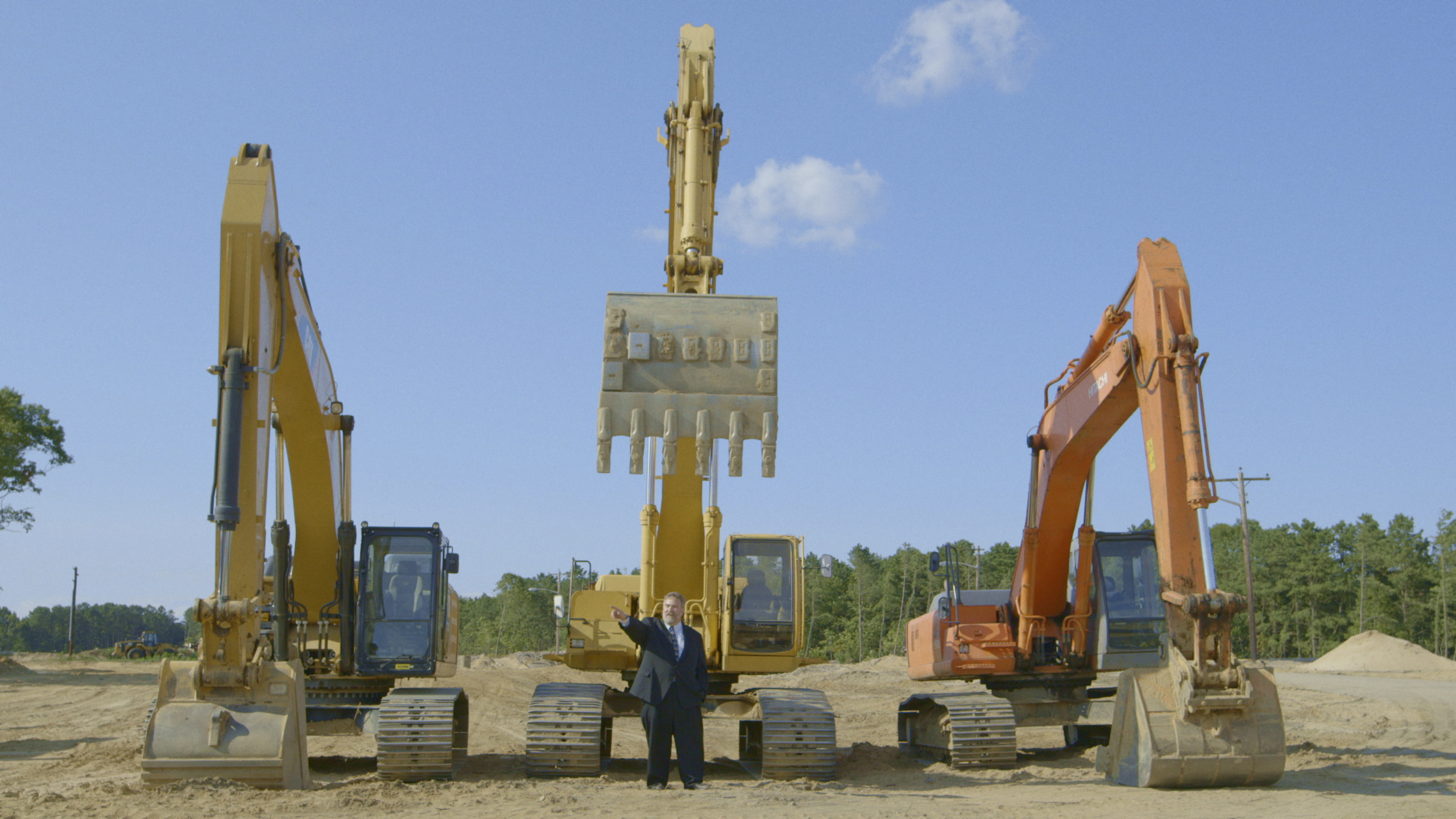
A scene from “The Last Race”, a Magnolia Pictures release. Photo courtesy of Magnolia Pictures.
Kirill: When you started working in the industry after school, was there anything particularly surprising or unexpected for you?
Peter: I started out assisting on different projects, doing sound effects editing on films such “The Girl with the Dragon Tattoo” and “Antichrist” by Lars von Trier. Those were big, ambitious movies, and I was a part of the sound crew, learning a lot of things from those experiences.
Gradually, I started working on movies were I was in charge of the sound. My job now is to try and be the ears of the director. I try to find the sonic language for any film that I do. That happens in via a close collaboration with the director, and I really love the collaborative way of working on movies. You’re doing something that is greater than the sum of the parts.
You’re creating something that no one could have created on their own, and I really love that. There could be hundreds or maybe even thousands of people on a film crew, and it’s all about being inspired by the director’s vision. In a way, it’s amazing every time it happens. When someone is building a bridge they can go hundreds of millions of dollars over budget. You don’t see that in the film world. Its effectiveness is quite amazing.
The art of making movies is about combining that effectiveness with creativity, and trying to create something special. Sometimes you succeed, and sometimes you don’t.
Continue reading »
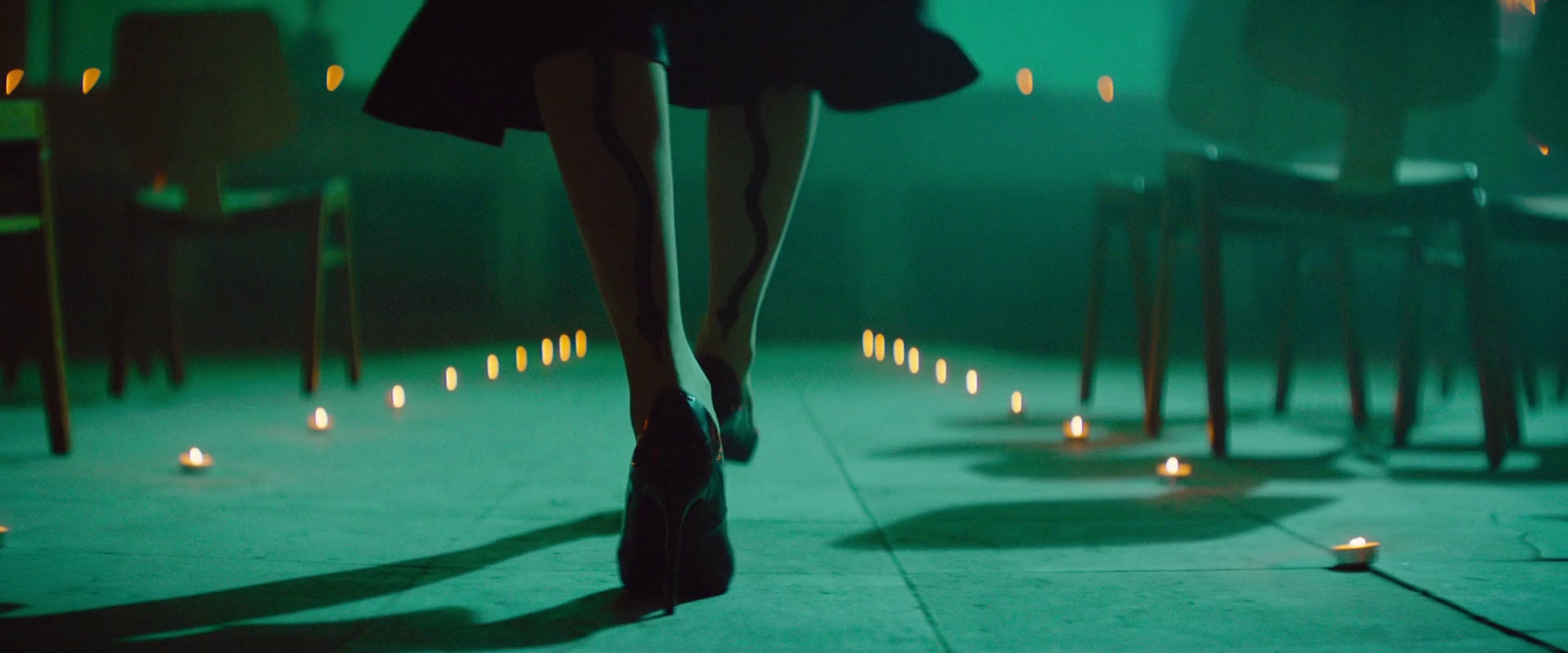
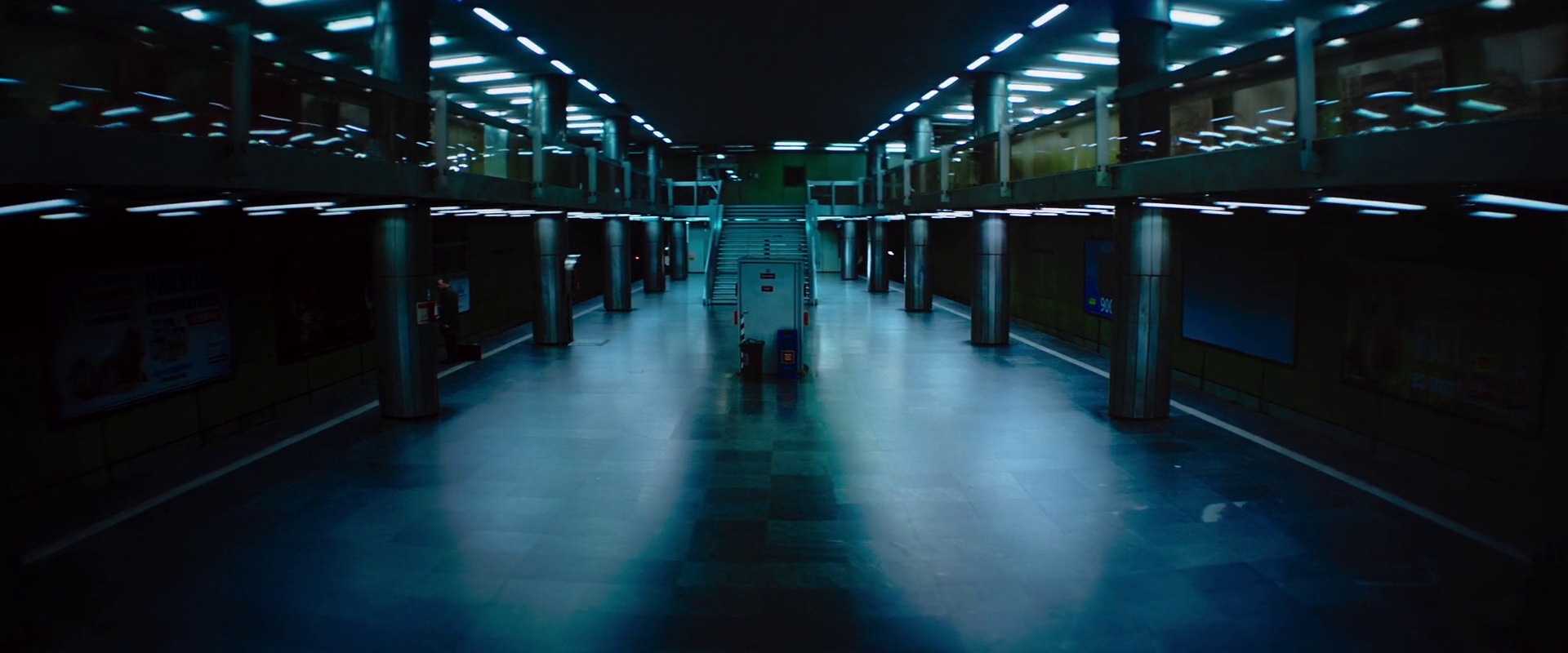
Continuing the ongoing series of interviews with creative artists working on various aspects of movie and TV productions, it is my pleasure to welcome Christopher Ross. In this interview he talks about the beginning of his career and technical changes in the last 15 years as the industry has shifted from film to digital, the various facets of cinematographer’s responsibilities on and off the set, and on what still surprises him in his chosen profession. Around these topics and more, Christopher dives deep into his work on the post-apocalyptic neo-noir world of last year’s “Terminal”, a story of deceit, betrayal and vengeance that stars Margot Robbie, Simon Pegg and Mike Myers.
Kirill: Please tell us about yourself and your path so far.
Christopher: I’ve been actively employed as a cinematographer since about 2007, but prior to that I’ve been an unemployed one, going back to 2000 when I started doing my first short film.
When I went to the university in mid-90s, I wanted to be a director. At the time I didn’t know that there was anyone else involved in making films, except for the director, the writers and the producers. When I was at the university studying physics, I worked alongside some writers who wanted to direct the same as me. Through the process of osmosis, I ended up being the cameraman for most of those other directors, shooting on VHS tapes.
After university, I started working in the film industry as a driver for various rental companies. That’s when I realized that there was this role of cinematographer that I could aim towards. It took about a decade to go from being an unemployed cinematographer to an employed one, and then another decade to work out where to go next.
Kirill: Looking back at the last 15 years or so from the technical perspective, do you think it’s becoming easier to get into the field as the equipment is much more affordable these days?
Christopher: It’s a complex scenario. Speaking from my experience, when I first began working in the industry trying to become a cinematographer, the equipment that was trusted by the producers and the industry itself was 16mm and 35mm film. The only way for you to be given the role of the cinematographer on a budgeted motion picture of any kind was to show a great deal of experience with celluloid.
That was the difficult thing. You had to find somebody who had one of those cameras and borrow it, or rent it for a period of time, and then pay for the stock. It was a very expensive way of proving yourself. I worked with directors that wanted to push their short films as high as they could, and we ended up generally going 50/50. I would get hired to do a job, and I would use money from my day job to supplement making short films, in the hope that it would give me enough experience.
But today you can buy a digital SLR that records 4K video, with an SQN mixer and some stereo sound equipment. The access to technology is far higher, but there is another difference.
When I began, you were shooting on 100 or 200 ASA film stock. You had to light interiors, and now you don’t have to do it if you don’t want to. You can effectively shoot your films without putting forth yourself into the material. And if your self doesn’t come over in the material, that’s what the producers and the directors are going to see. They want to see what you brought to the thing.
Actually, I’d say that it’s much harder these days to make yourself any different to 200 other aspiring cinematographers of all ages that are trying to make their way. But when I was younger, you still had to stand above others in order to be seen.
The one thing that I would say about the advent of digital cinema is that has allowed filmmakers to take far bigger risks in the worlds of short film and music videos. There’s a safety net of digital that allows you to be much more experimental, in a knowingly-successful way, whereas previously you had the fear of celluloid on your back.
Continue reading »
