I’ve written about the Woopra client last July, and had its creator Elie El Khoury answer a few of my questions just before the New Year’s eve. About a week ago Elie has announced the release candidate for the new Woopra version, and i’ve had a great time ever since playing the new version and searching for the small visual details that add up to a great user experience.

You can read about the new functionality in Elie’s announcement, and here i just want to point out a few UI elements that i particularly like.
The first one is the new sidebar that provides a clear organization of the available statistics sections. The different sections are collapsible, and the overall choice of colors results in good readability even for darker background colors:

The new dashboard view provides a vibrant yet clear way to view the overall visitor count over the last two weeks and the last 24 hours. Note the translucent charts for the counts the day before (in the top chart), and the translucent overlay for the specific node under the mouse pointer:

Translucency is used in a lot of places in the new Woopra client, but its usage is well designed and placed. Here is a map view with translucent overlay showing the details of the specific live visitor (note the drop shadow of the overlay):

Here is one more screenshot of translucent content. The map has an overlay showing the visitor count broken down by the country. The overlay floats on the right border of the map, and has translucent list and opaque glassy scrollbar to scroll the country list:

Congratulations to Elie and the team on the great new functionality and excellent new looks!
In addition to bug fixes and performance improvements in Substance 5.2 (code-named Quebec), i’m planning to introduce a few new skins. The first is Dust which is based on the artwork done by Rico Sta Cruz and Kido Mariano for Ubuntu. If you want to take it for a spin, click on the WebStart button below and change the skin to Dust from the “Skins” menu:

To use it in your application, you have the following three options:
-Dswing.defaultlaf=org.jvnet.substance.skin.SubstanceDustLookAndFeelUIManager.setLookAndFeel(new SubstanceDustLookAndFeel())UIManager.setLookAndFeel("org.jvnet.substance.skin.SubstanceDustLookAndFeel");
Here are a few screenshots that show this new skin. A small frame with a tabbed pane and a few different controls:

A frame with menu bar, tool bar and status bar from SwingX project:

A thumbnail of the main Substance test application (click for full-size view):

As with all Substance core skins, this is work in progress and will be polished over time. Dust is also the first skin that is using the experimental color schemes definition file. While the existing Autumn and Nebula skins have been moved to use such files as well, this functionality is planned to be officially supported in the next major Substance release.
In the meantime, you’re more than welcome to take the latest 5.2dev drop for a spin and leave your comments.
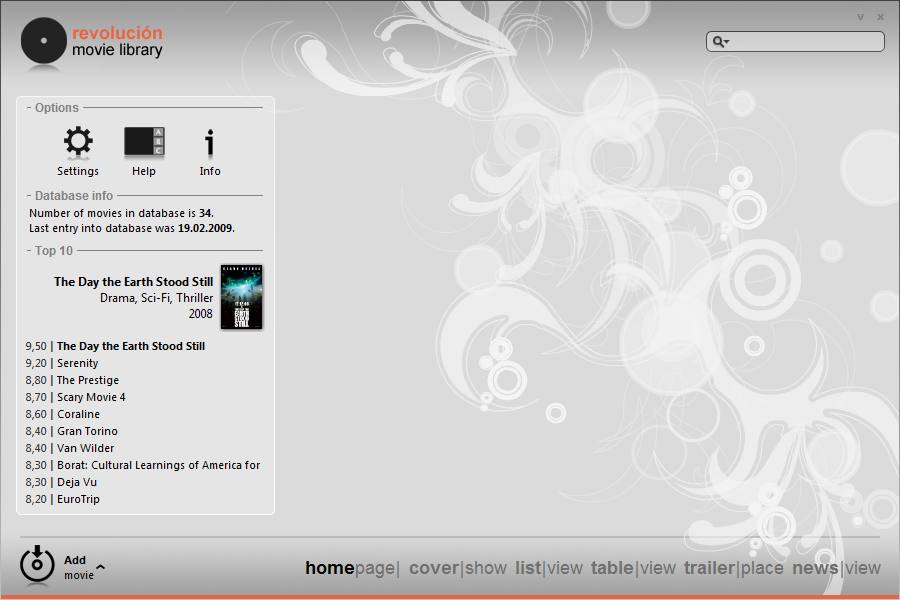
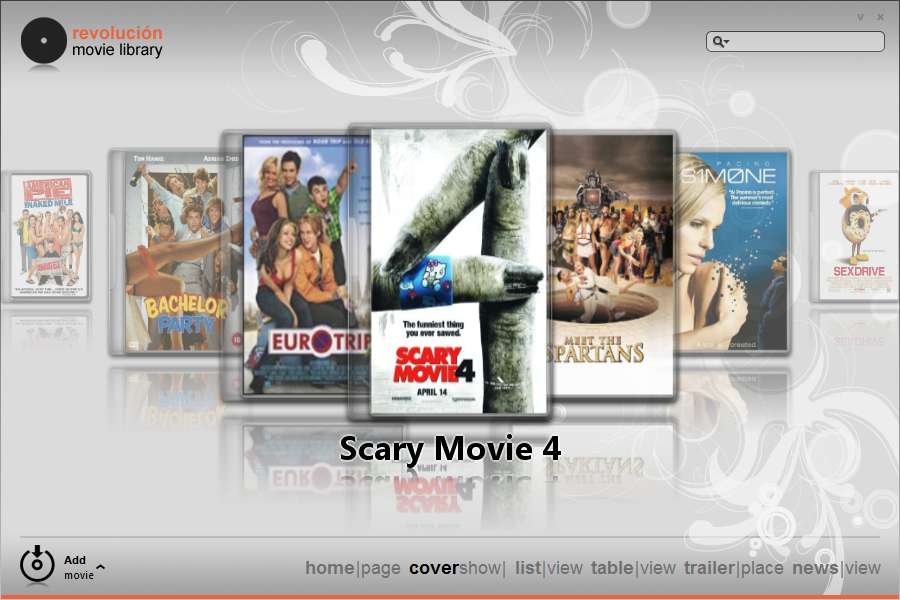
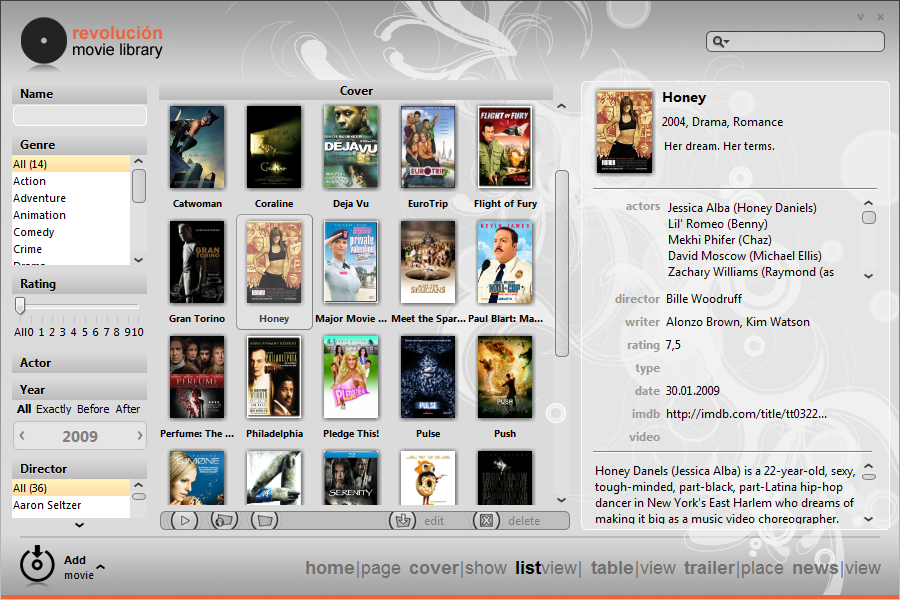
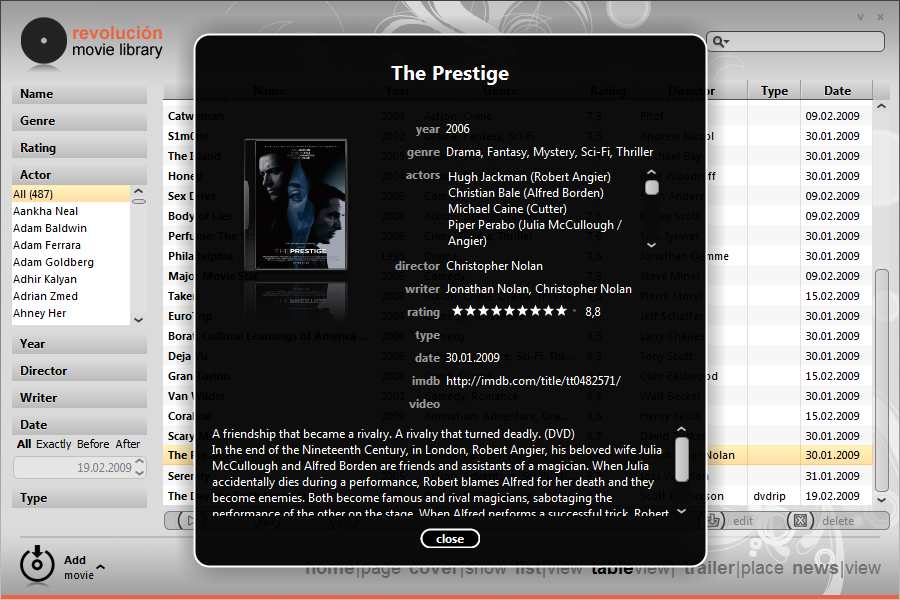
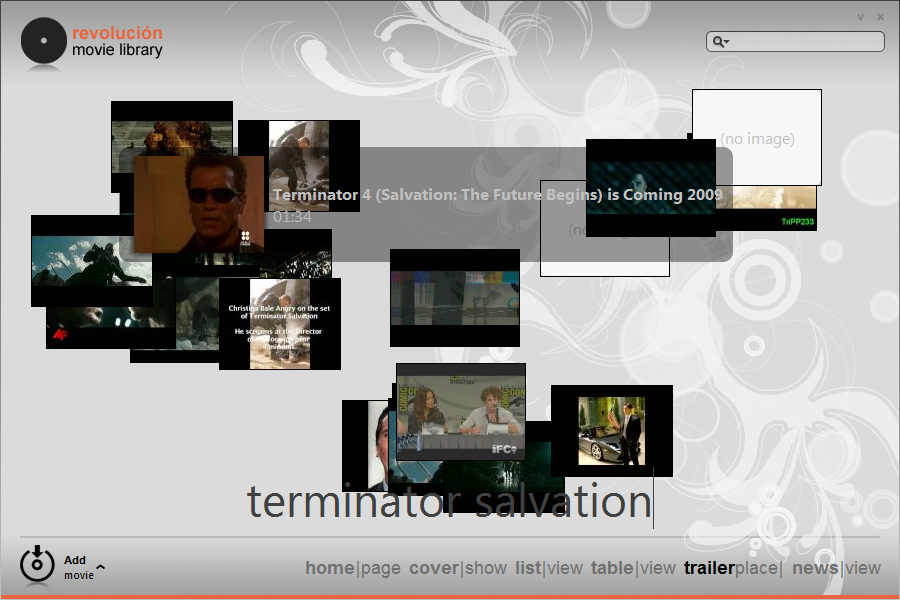
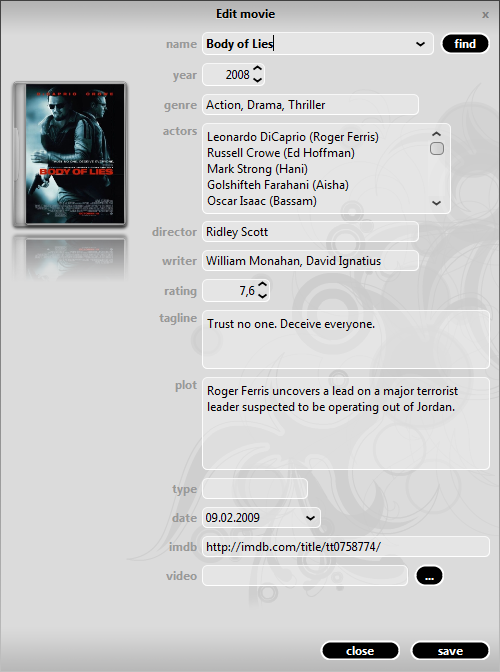
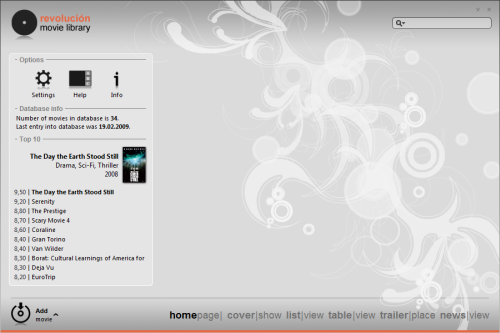
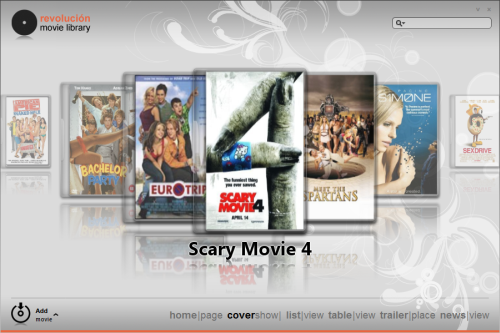
It is always exciting to see an elegant and polished desktop application, and it is doubly so when Swing is the UI toolkit of choice. Željko Ziriković is the mastermind behind Revolucion, a new Swing-based media player. And while Mikael Grev‘s initial work on his own media player has shown great promise, it hasn’t progressed to handling the real media. Željko‘s work appears to be much more complete and functional, and i’m eagerly looking forward to see the code when it is released in the next few weeks.
In the meantime, enjoy the video walkthrough (switch to full screen and HD), and click on the screenshots below.
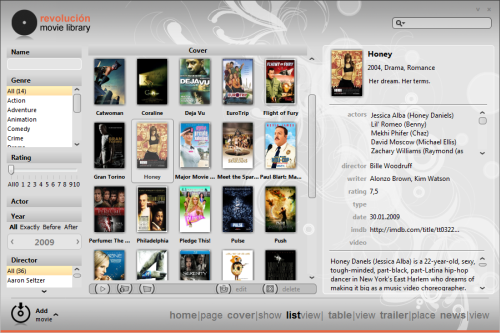
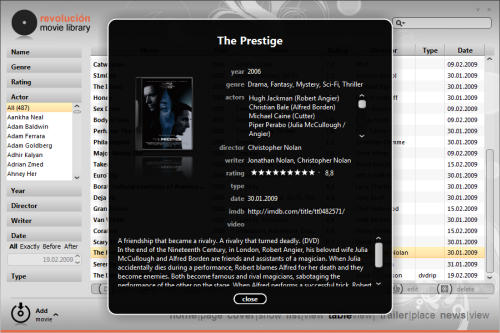
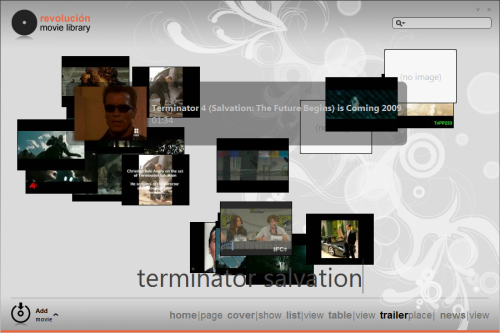
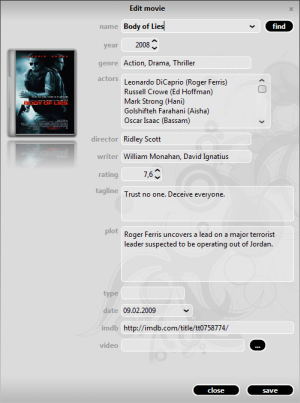
I am extremely pleased today to announce the official release for version 4.0 of Flamingo component suite (code-named Fainnear). As detailed in the roadmap for this release, the goal was to provide the missing functionality from the Office 2007 Command Bar, and the journey that has started in September 2005 has arrived at its most important milestone so far.
I can finally say that the Flamingo ribbon can be used to create Swing ribbon-driven applications. While some of the minor functionality will have to be postponed to the next few releases, Fainnear provides all the major building blocks to create sophisticated ribbon content and wire it to the custom application logic. The release notes for version 4.0 contain the detailed information on the contents of this release which include:
To see the Flamingo ribbon component in action under core look-and-feels, run the following WebStart demo:

To see the Flamingo ribbon component in action under Substance look-and-feel, run the following WebStart demo:

If you want to test the ribbon in your applications, you would need the following (the last two only for applications running under Substance look-and-feel):
You are more than welcome to take Flamingo 4.0final for a ride and report any problems in the project mailing lists, forums or issue tracker.
I would like to thank all the early adopters that have tried the early development drops of Flamingo 4.0. Special thanks go to Andrey Eremchenko for extensive reporting and verifying of complex usability scenarios, especially for minimized, shrinked and popup functionality.
Sample screenshots of Flamingo 4.0 in action: