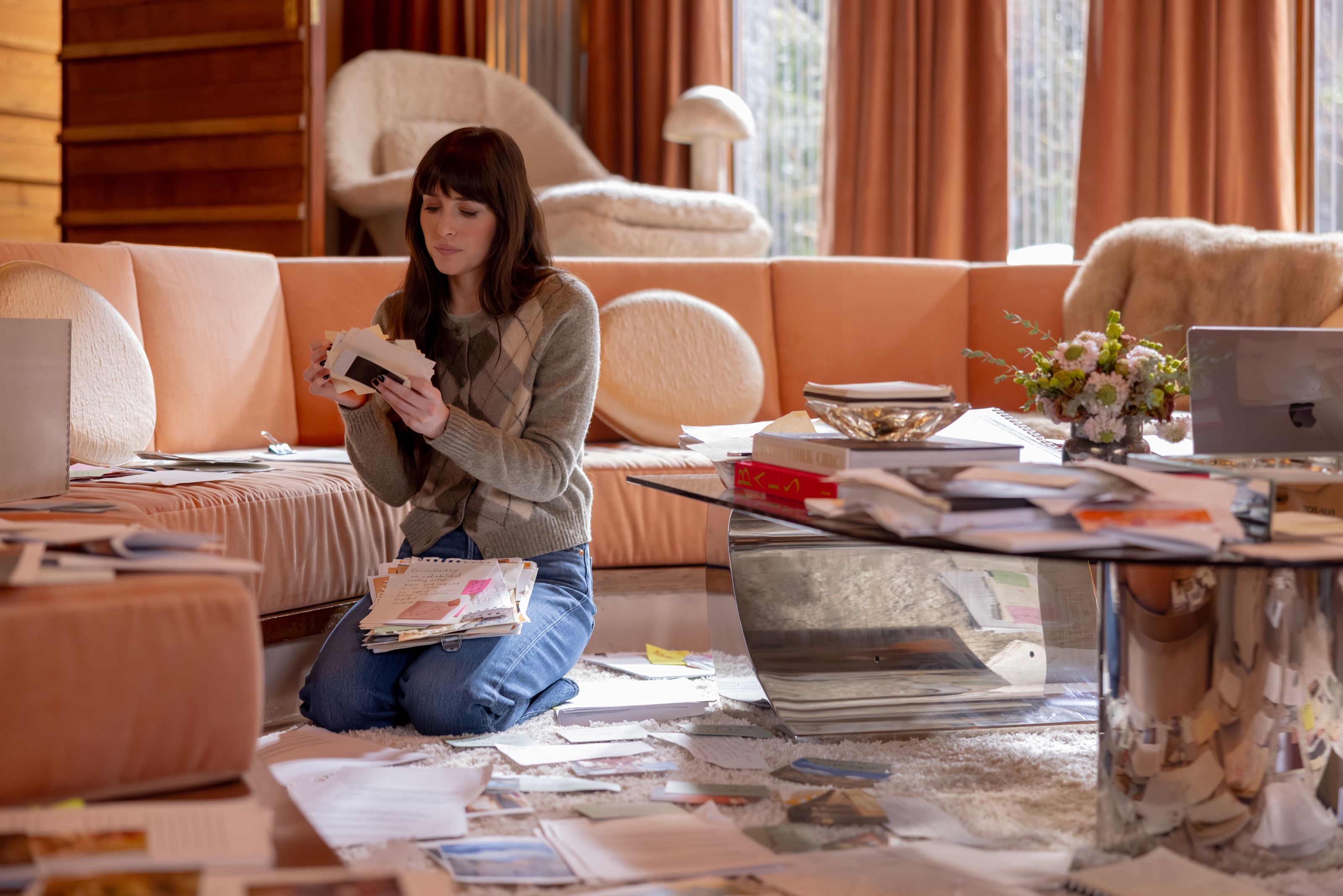
 Production design of "Verity" by Amy Williams, courtesy of Amazon MGM Studios.
Production design of “Verity” – interview with Amy Williams
Continuing the ongoing series of interviews with creative artists working on various aspects of movie and TV productions, it is my delight to welcome back Amy Williams. In this interview, she talks about experiencing stories on the big screen, her thoughts about generative AI, and key ingredients to longevity in the industry. Between all these and more, Amy takes a deep dive into her work on the much anticipated “Verity” that is opening in theaters this week.
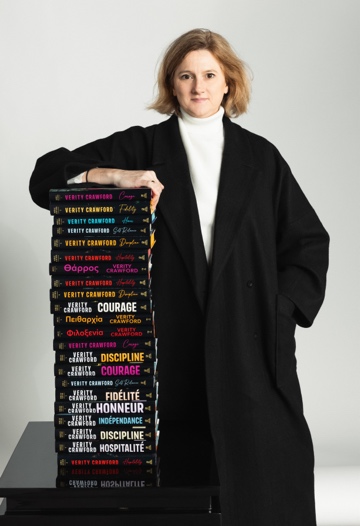 Kirill: We did our first interview back in February 2020, about a month before everything was shut down. How were the last six years for you?
Amy: That’s wild, an interview just before Covid. It’s been great. Covid was definitely a weird period to be in this industry and making things. After we spoke, I began prep for “Master of None” season three, working in London. When the pandemic hit, we had to stop production immediately. It was the most abrupt halt to a production. My producer called me and said that I had to get on a plane because “they might be shutting the borders down. We need to send you home.” It was heartbreaking because I’ve worked on all seasons of “Master of None” and we wanted to make this special and unique season in London.
Luckily, we were able to resume later in August. The period in between provided a lot of opportunity to connect with other production designers, to talk about the craft, and to reflect on the craft instead of jumping from one job to the next.
It definitely influenced things, and not only the way studios approach filmmaking. We have Zoom meetings nonstop, and less is in person. We have tighter timelines than we once did and often tighter budgets. A lot of travel has been involved due to tax incentives and credits. I’ve worked since then in London, in Budapest, in Taiwan, in Atlanta and in other parts of the country. I’m New York based, and New York State has a great tax incentive and lots of filming is coming here. It’s quite busy.
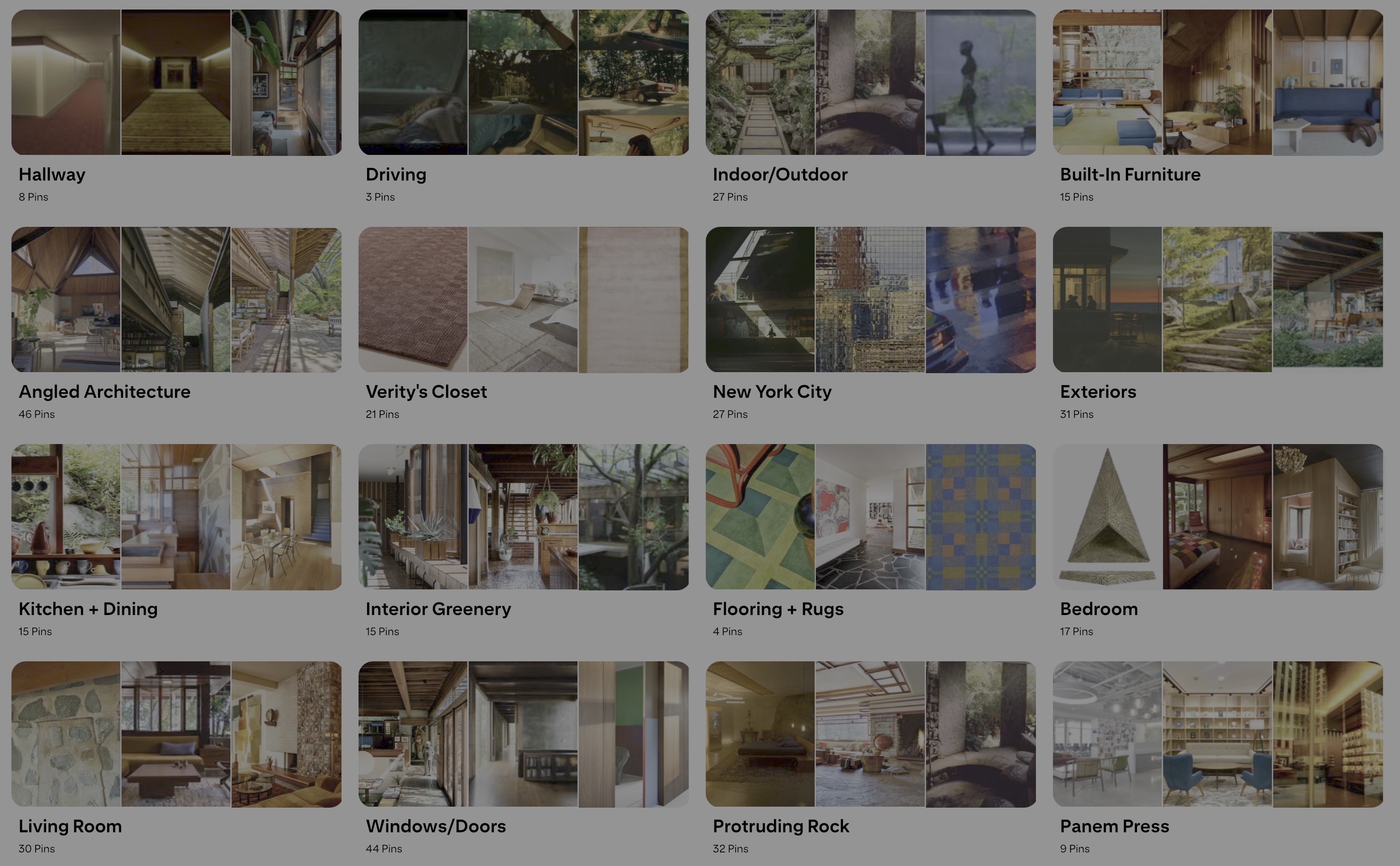
From the Pinboard production design moodboards of “Verity”, courtesy of Amy Williams and Amazon MGM Studios.
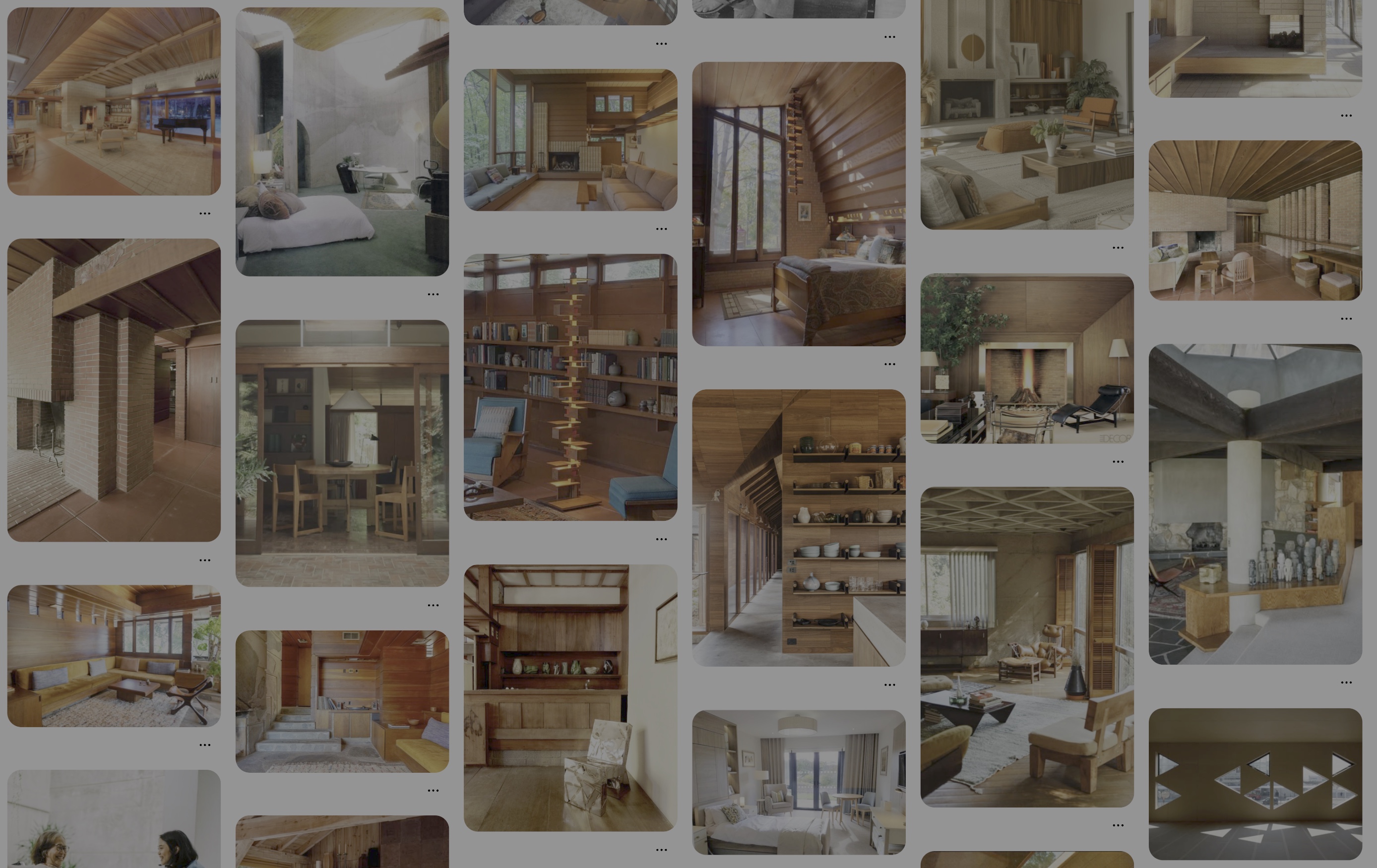
From the Pinboard production design moodboards of “Verity”, courtesy of Amy Williams and Amazon MGM Studios.
Kirill: How did “Verity” start for you? How did you find your way to it, or maybe how did it find its way to you?
Amy: It started way back in 2020. I did an Apple series with Anne Hathaway called “WeCrashed”. I had an amazing experience on that, collaborating with her on her character sets and her ideas and thoughts about the narrative. She was very supportive and collaborative during that process. And then a year or two later, she had signed out to do a film called “The Idea of You” that Michael Showalter was directing. I had met him previously in another interview for a different project, but she was a producer on the film, and she recommended me to work with Michael.
Working with Michael Showalter was also an incredible collaboration. We all found our team, and the three of us did “The Idea of You” together. After that, Michael had a film called “Oh. What. Fun.” and I came on to do that as well, along with the same script supervisor, DP, still photographer, Set medic and team. Then “Verity” came up and Michael called me. I was attached to another project at the time, but knowing that Michael and Anne were both a part of this project, I couldn’t not do it. I had to figure something out.
Michael’s assistant sent me a photo of the house that they were considering, when I was still unsure of my schedule. As soon as I saw the location, that was the final straw. I couldn’t not do this movie. The house is an incredible inspiration, and the interiors are a dream. It was a no-brainer to get to work with people that I genuinely love and with people whose genius I’m inspired by.
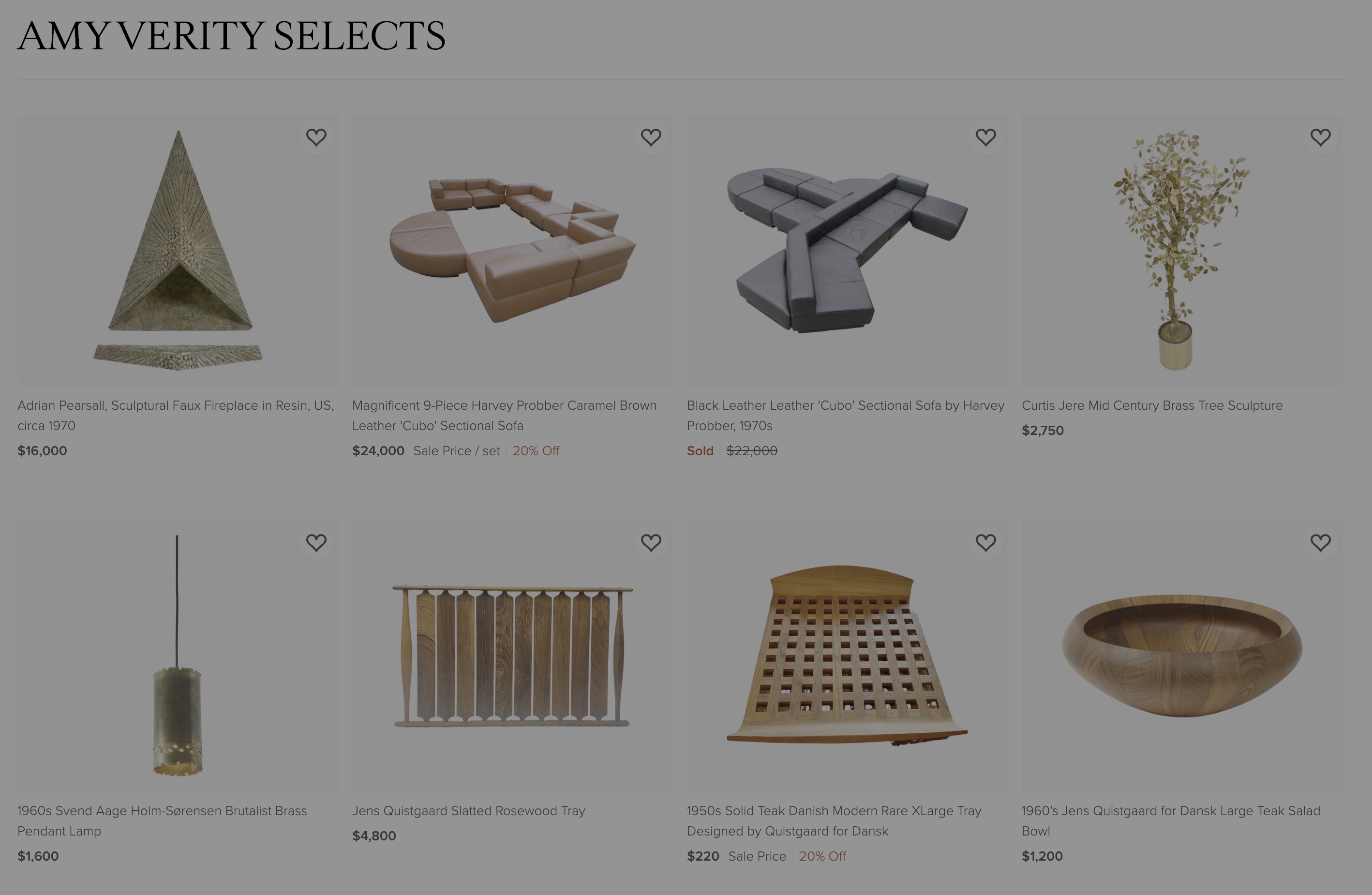
From the 1st Dibs production design listings of “Verity”, courtesy of Amy Williams and Amazon MGM Studios.
Kirill: Before we get to that main house, can we talk about the publisher’s office? Was that an existing space?
Amy: The publisher’s office was quite difficult to find in Manhattan. Our location manager, Elizabeth Krekel pulled out all the stops, and we actually used Colleen Hoover’s real publisher, Hachette Book Group. It’s remarkable. It’s great to put that kind of realism into the film. They let us redecorate their office, take all the art off the walls and replace it with Verity book covers. It was very special to be able to film in the actual publisher’s space that made the book happen
Kirill: Going to the main family house, let’s start with the exterior. Is it an existing place? Where is it?
Amy: It is in Westchester, New York, and it had never been filmed before. Our enthusiastic and talented location manager Elizabeth Krekel went about finding the house in a rather unconventional way. She started by looking at design magazines and architecture magazines, and she came across a listing of the house. It was for sale maybe five years earlier. It had never been filmed in, and the owner wasn’t familiar with the process of it. He was understandably uneasy about renting out his space to us. But it all came together.
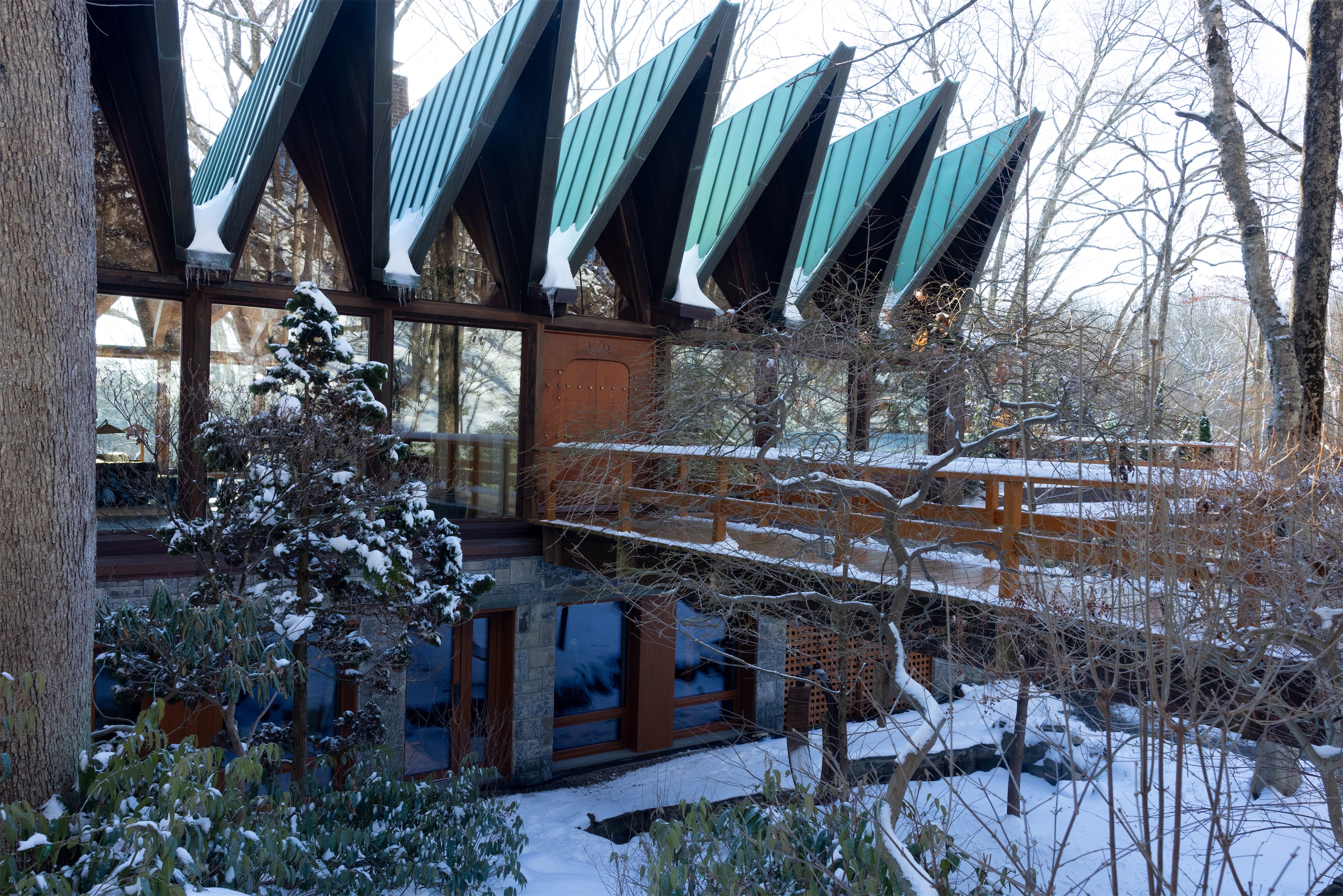
Exterior of the main house on “Verity”, courtesy of Amazon MGM Studios.
The home was designed by Jens Quistgaard, who was a Danish designer known for all of the homewares that he made for Dansk in the mid-century. He’s mostly known for his sculptural elements and his home goods and things like ice buckets and pepper mills. But he designed a few homes and this is one of them. It’s called Beckoning Path, and it’s an architectural marvel. It’s perfect for a story.
It’s the house we never pictured that came to us and we were able to use. It has a haunting feel to it. It feels both monastic and maniacal with its claws reaching into the sky. It also had the narrative elements that we needed – a home on a lake, deep set in nature where some of these dark secrets can take place.
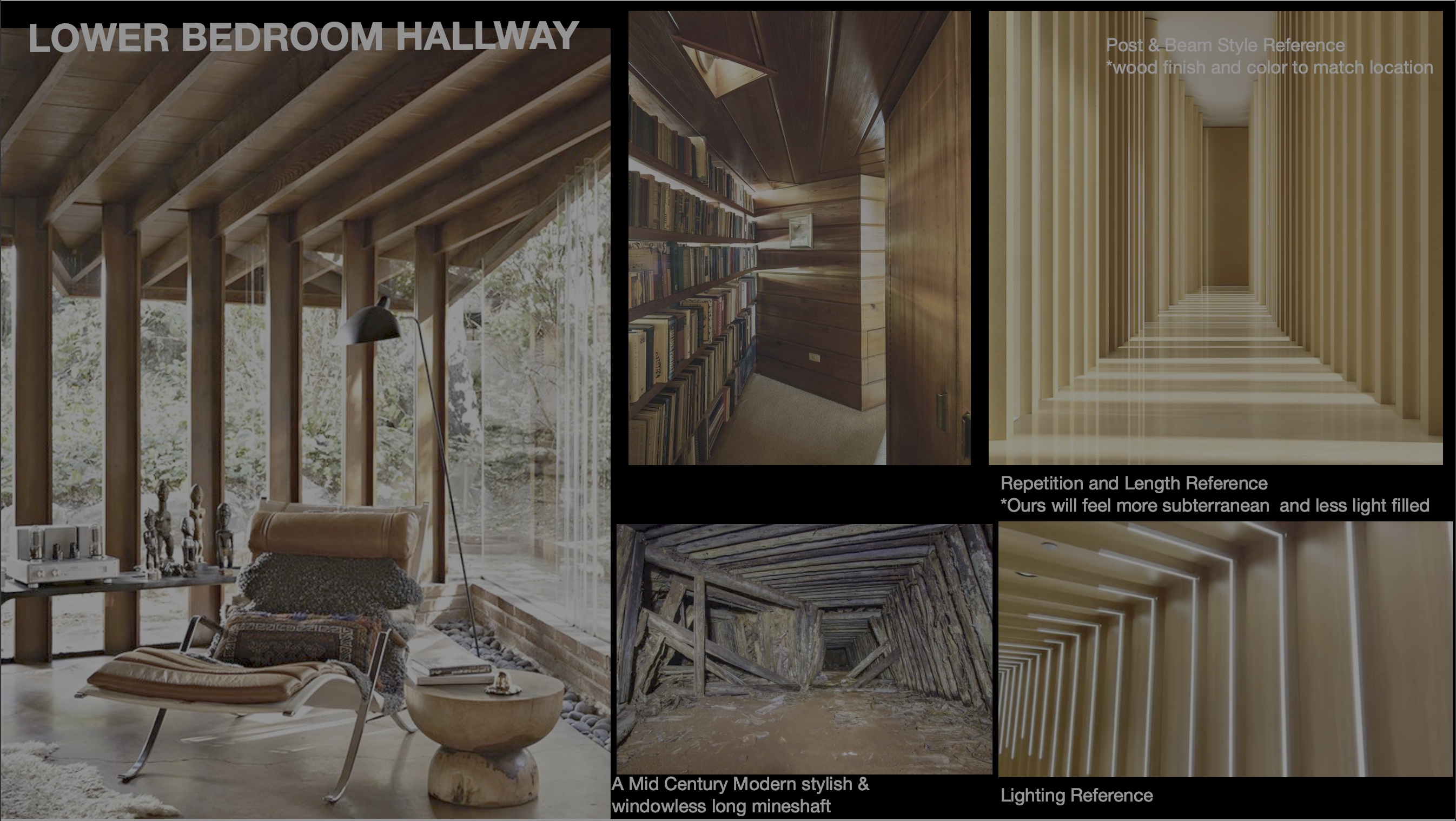
From the production design moodboards of “Verity”, courtesy of Amy Williams and Amazon MGM Studios.
Kirill: The very first thing that jumped at me when the story moved into the main house is the wooden beams and panels everywhere. What was your idea to lean so heavily onto wood?
Amy: I wanted to bring a ton of texture and dimension to the home. When Jens Quistgaard designed it, the idea was that it was a shipwrecked boat that crashed into the landscape. I wanted to honor that and I was inspired by it. The materials that were used in that home were the materials that we used to design all of our spaces and to build our stage sets on stage. We took a lot of care and detail into matching the wood tones. There was zebra wood on the floor in the home. There was hard pine on the walls, and copper detailing.
We brought the color of the stone that exists outside our house location and the color of the tile on the floors into our interiors, but we also had to make locations work so that it satisfied the story. This is a story about an author and her husband who is in real estate. So we needed bookshelves and other narrative elements. We played a lot with shape, color and nature versus humanity.
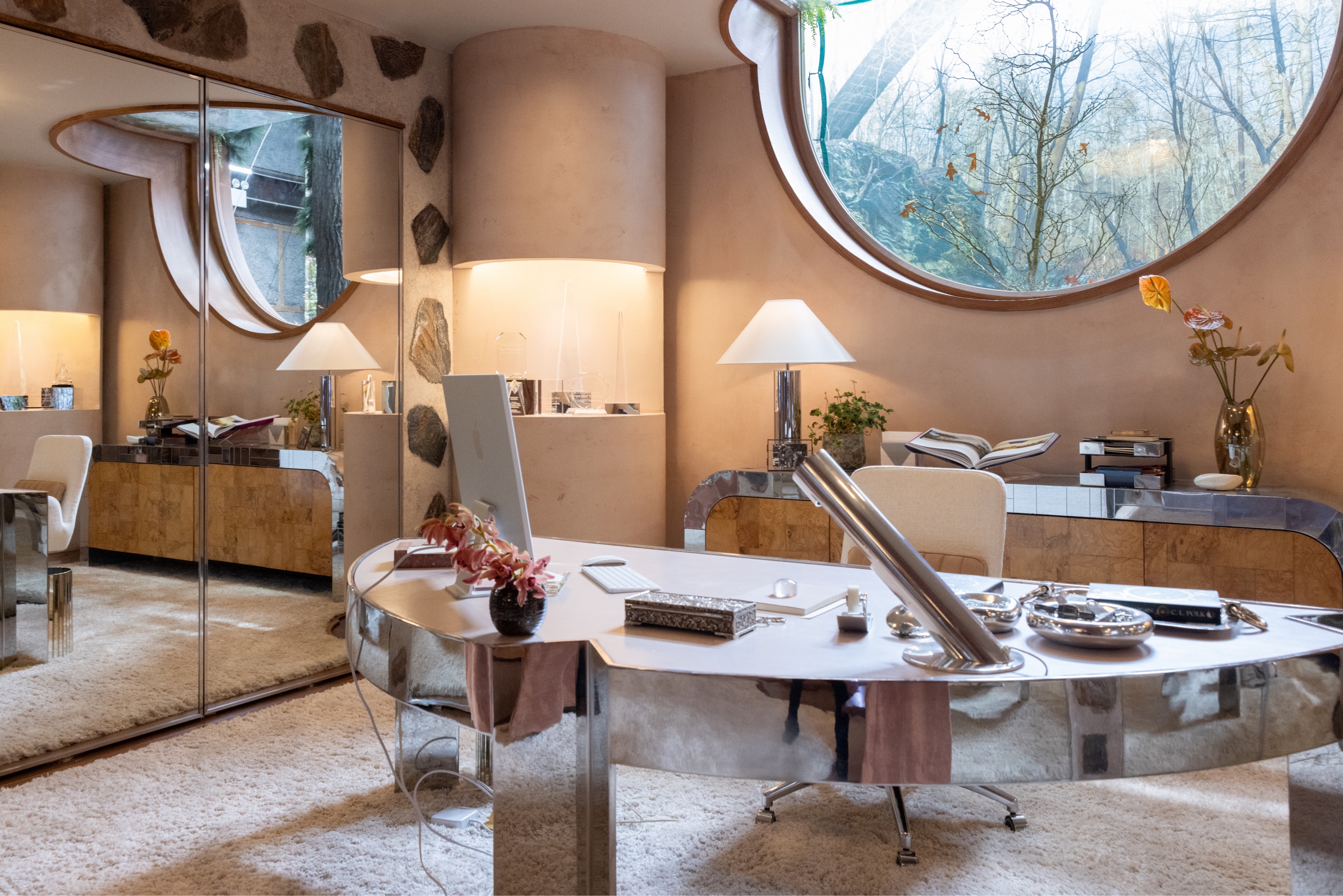
On the set of Verity’s office on “Verity”, courtesy of Amy Williams and Amazon MGM Studios.
Kirill: What’s the story behind the chrome-plated desk in her office?
Amy: The chrome-plated desk was a really exciting find. The piece is a sculptural 1970s chrome and marble desk by Leon Rosen for Pace and it’s still available on 1stDibs because we rented it. A few months after we wrapped the film, I saw the same desk at auction and I splurged. Chrome doesn’t go anywhere in my space, but it’s such a special piece and it will find a home somehow.
We needed something bold that left a stamp on the space for Verity as a character. It had V-shapes in it and reflective chrome. We replaced the top with a pale pink leather, so it had a hardness and a softness to it. I was a little bit nervous at first but craved it for the space. It was a big, bold statement, but luckily Michael and the team were on board with it.
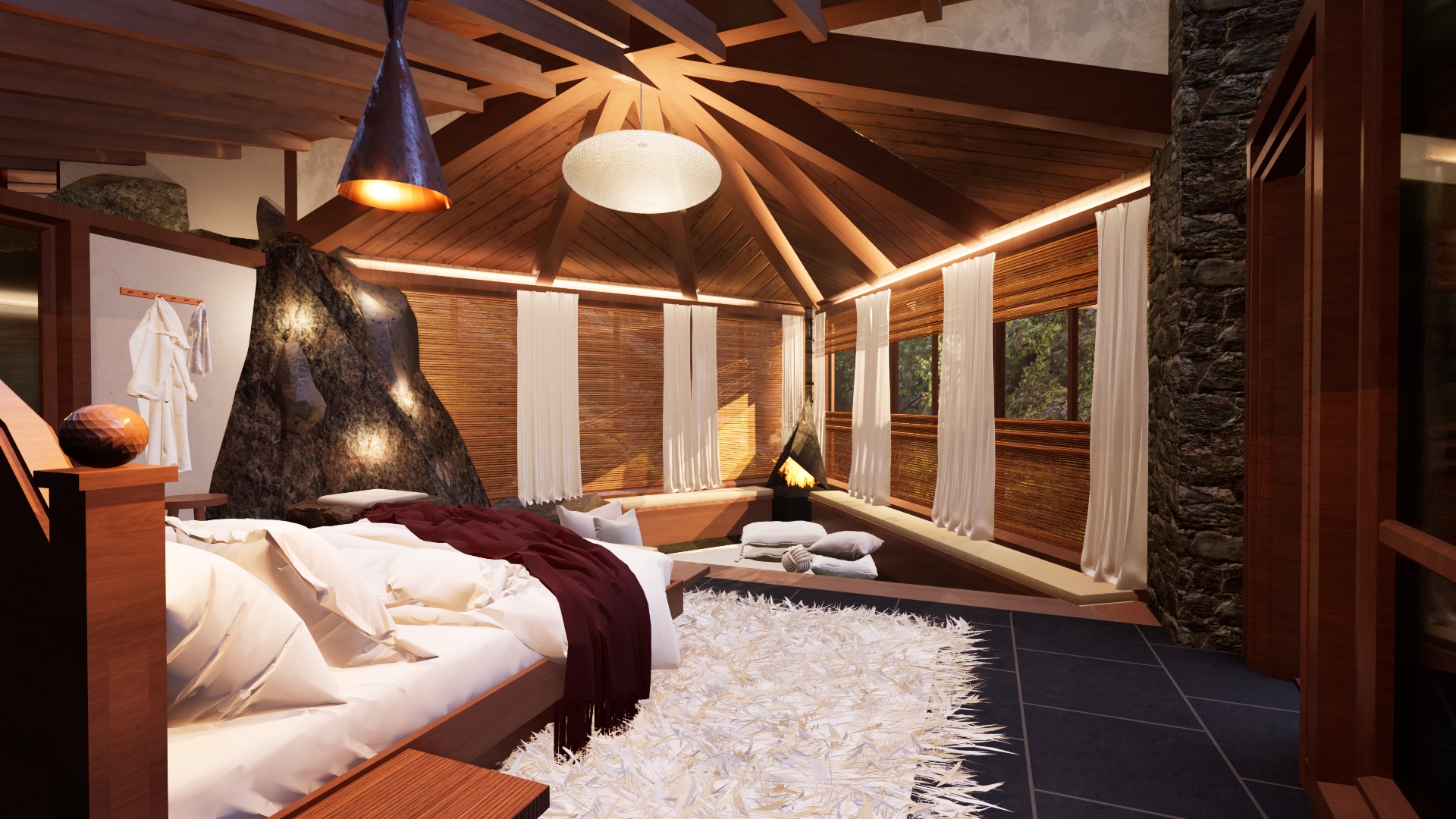
Pre-viz for Lowen’s bedroom on “Verity”, courtesy of Amy Williams and Amazon MGM Studios.
Kirill: What about Lowen’s bedroom? What feel did you want to have there?
Amy: It’s the primary bedroom for Jeremy and Verity, but as Verity is unable to move and traverse stairs, that becomes Lowen’s bedroom while she’s staying at the Crawford home. I wanted to make it a voyeuristic, a temple to intimacy and eroticism. I wanted to make a V-shaped room with V-shaped wings, ceilings with angles that come into the space, rock formations that the home is supposedly built on. The room is all about the bed. The bed was the altar in the space, and everything else was behind a mirror, behind a closet door, or built into the space. I pulled from a lot of inspirations with that one and had so much fun with it. It was a fantasy to build, especially the rock carved bathroom.
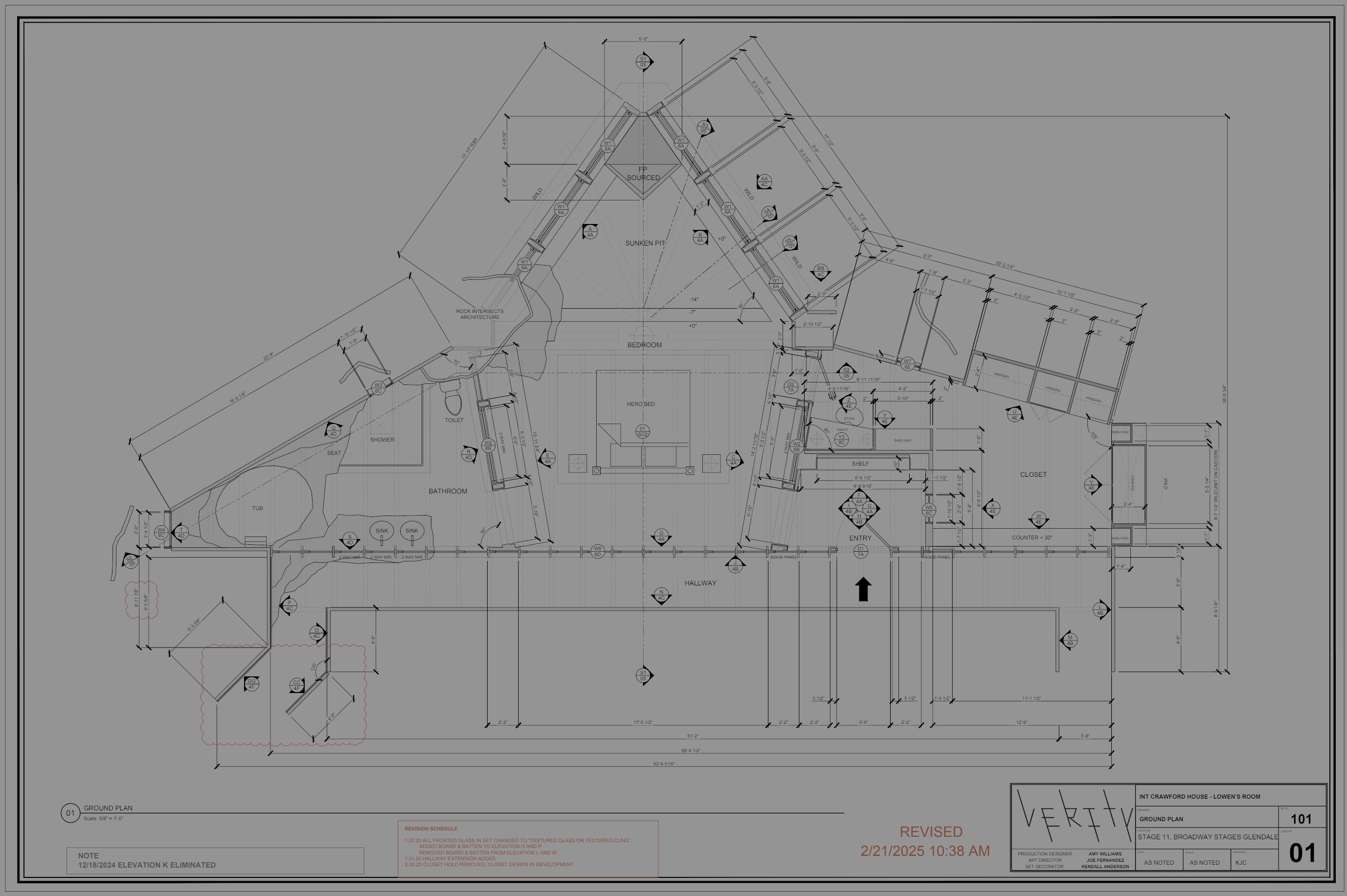
Set drawings for Lowen’s bedroom on “Verity”, courtesy of Amy Williams and Amazon MGM Studios.
Kirill: Was the kitchen there or did you want to make your own?
Amy: The kitchen was in the location. The location is used as a Tai Chi studio, so it wasn’t furnished. We brought in all the furnishings. You’ll see a lot of pieces by Jens Quistgaard on the shelves in that kitchen, because it was important to honor the origins of the home’s designer for me and my team.
Kirill: Was there any color that you wanted to stay away from in that house?
Amy: The color red is such a signature color in the film. I spoke about that frequently with the costume designer, Jackie Demeterio. The thought was that the costumes would carry and use that color, and the palette that I designed would support it.
We used a very limited amount of red, which is symbolic in many ways. We would take Verity’s red sweater and some of her red dresses to the space, and compare it with wall colors and fabric choices to make sure that when the costume and actor stepped into the space, it was all in beautiful harmony.
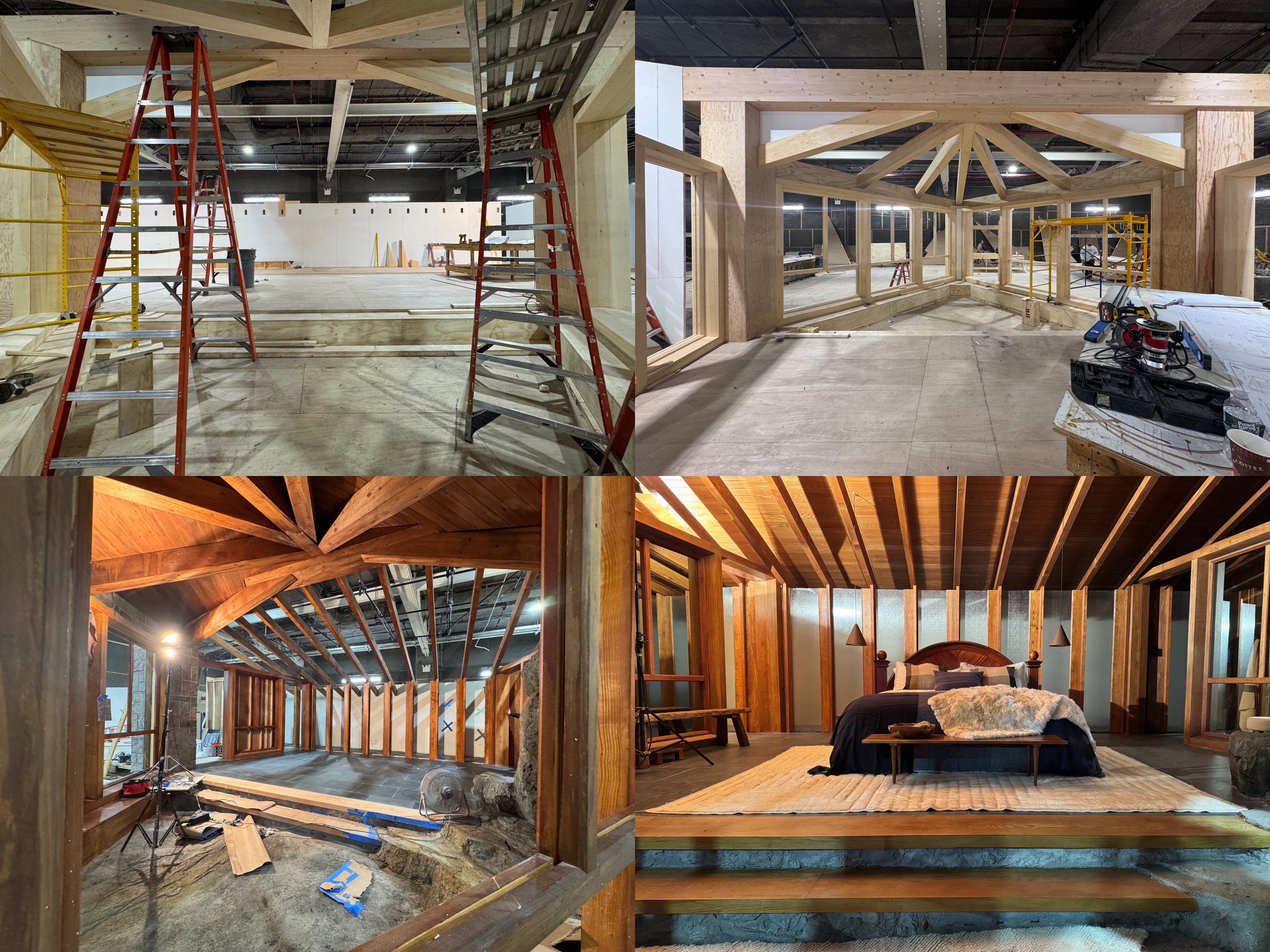
Construction process for Lowen’s bedroom on “Verity”, courtesy of Amy Williams and Amazon MGM Studios.
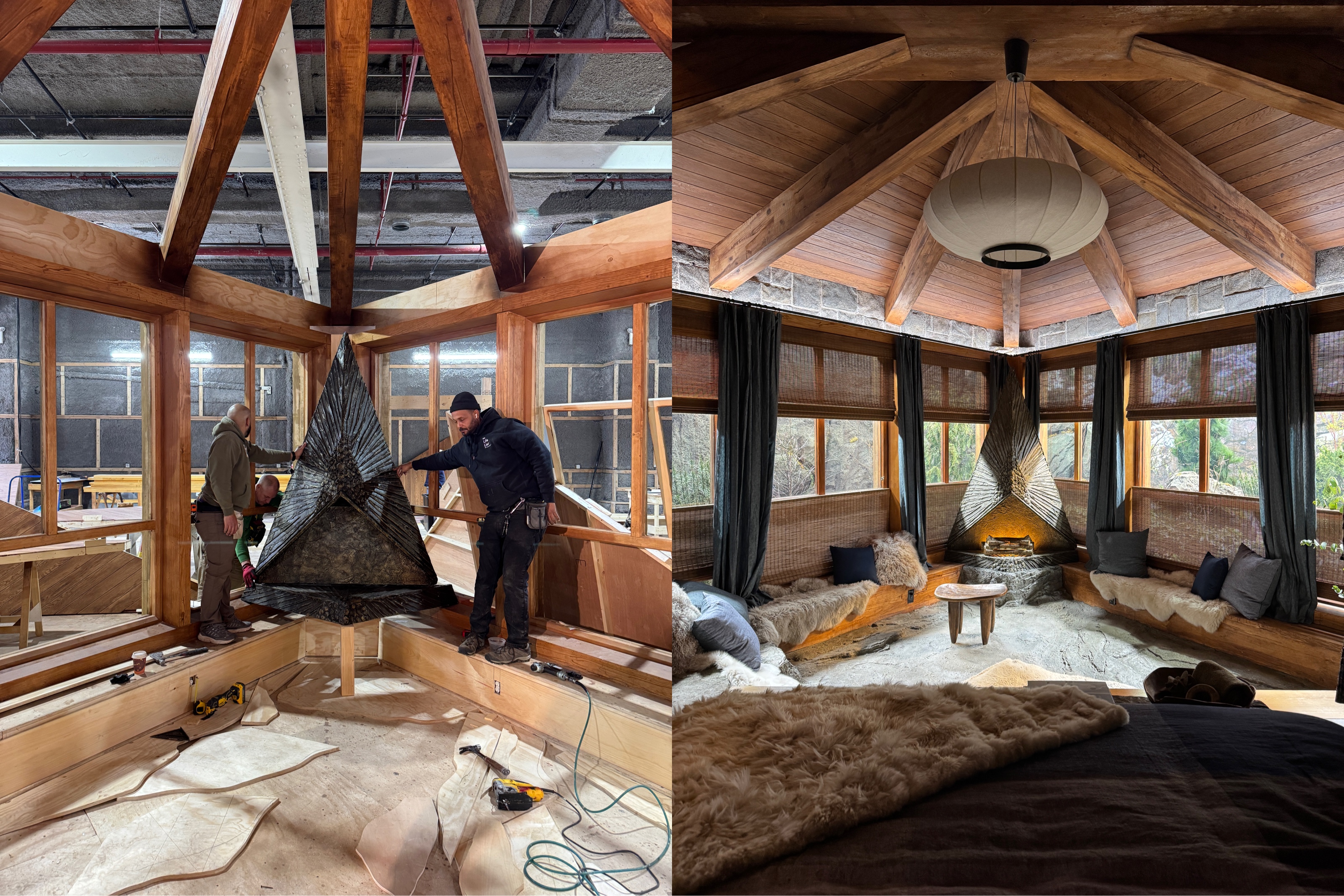
Construction process for Lowen’s bedroom on “Verity”, courtesy of Amy Williams and Amazon MGM Studios.
Kirill: Do you want people to go and see it on the biggest screen possible in the movie theater?
Amy: Of course! I came onto the project knowing that there was going to be a theatrical release. As a lover of the craft and a cinephile, there’s such a magic to being in a theater and being fully immersed. There’s so many distractions in the world. A lot of times that’s factored into the design of a TV show or a movie – assuming people will also be on their phones. You have these incredibly beautiful faces on screen along with the cinematography of Jim Frohna, the costumes and some killer design environments. You have to get the full theater experience.
Kirill: Going back to those early Covid days, I was quite pessimistic about the future of the exhibition business. For the first year it wasn’t even clear that movie theaters as a business would survive. I’m very glad that they are back.
Amy: Yes, and people are going to the theater again. They are selling out. Genres like the erotic thriller are getting to see the screen. It’s hopeful. There’s a lot of fear about AI in our business taking over. But it’s reassuring to know that people want to be around one another while they’re watching these stories.
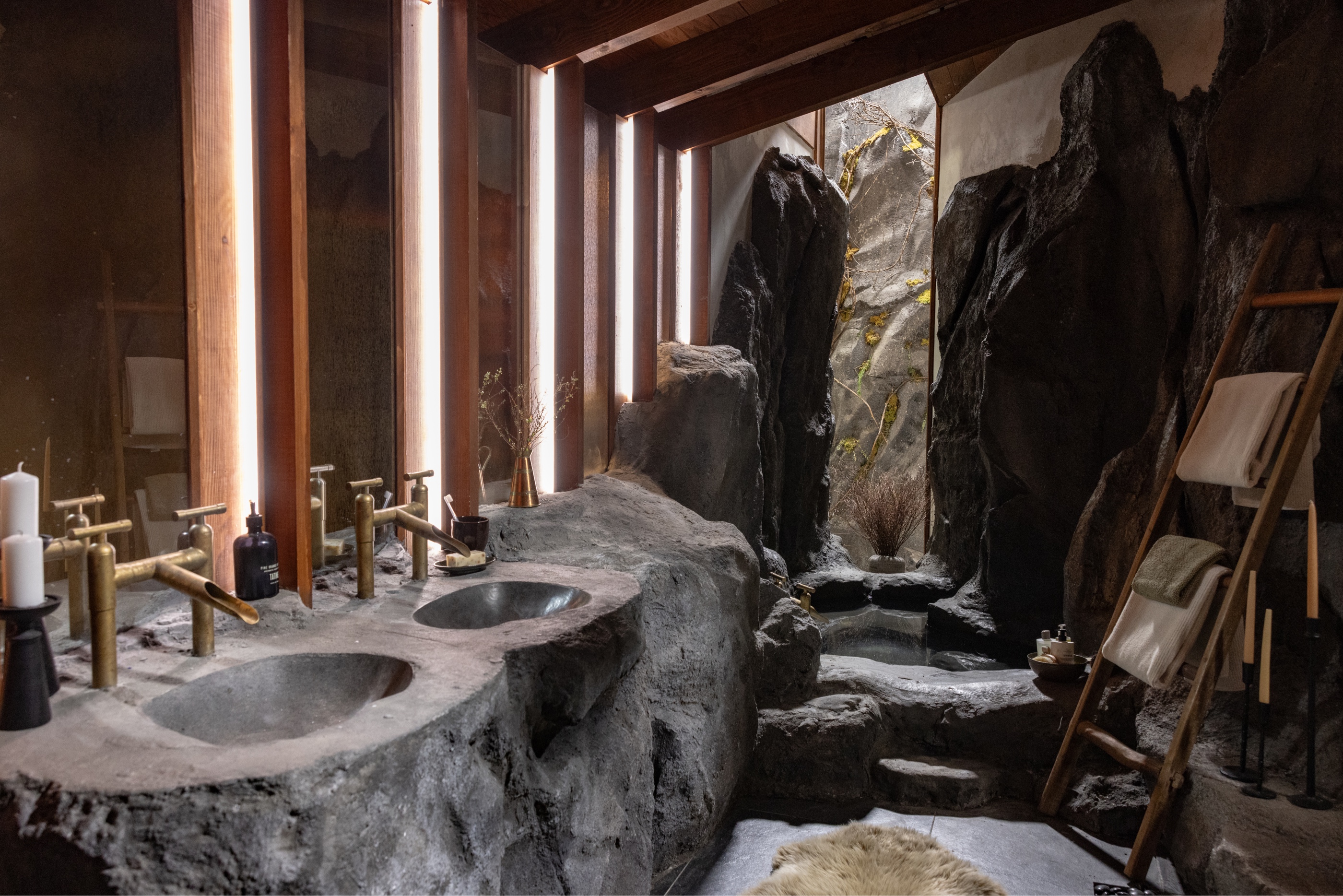
The bathroom set on Lowen’s bedroom on “Verity”, courtesy of Amy Williams and Amazon MGM Studios.
Kirill: That’s a nice bridge to my next question, which is how you feel about generative AI today.
Amy: There’s definitely a fear that audiences and studios will heavily rely on it. I’m hopeful. I have an 11 year old, and anytime he sees something that’s AI generated, he immediately frowns and complains about it.
AI is at the point right now where it is so very realistic, but it’s still missing human emotion and the human touch. You can feel that, and people want to feel things. They want texture. They want real acting. They want things that are not perfect to show up on screen. So I’m hopeful that the crafts will valued. But also, if it takes over, I’m hoping I get to be one of the ones to give it the prompts.
It can be used as a tool, and as much as there’s the existential threat, there’s the thought that this will become a tool for most people. So why not embrace it and try to make it work. Luckily a lot of studios right now ban it. You won’t see artwork or graphics created by it. You still have talented people making art. But it’s around the corner and I think we’re all uneasy about it.
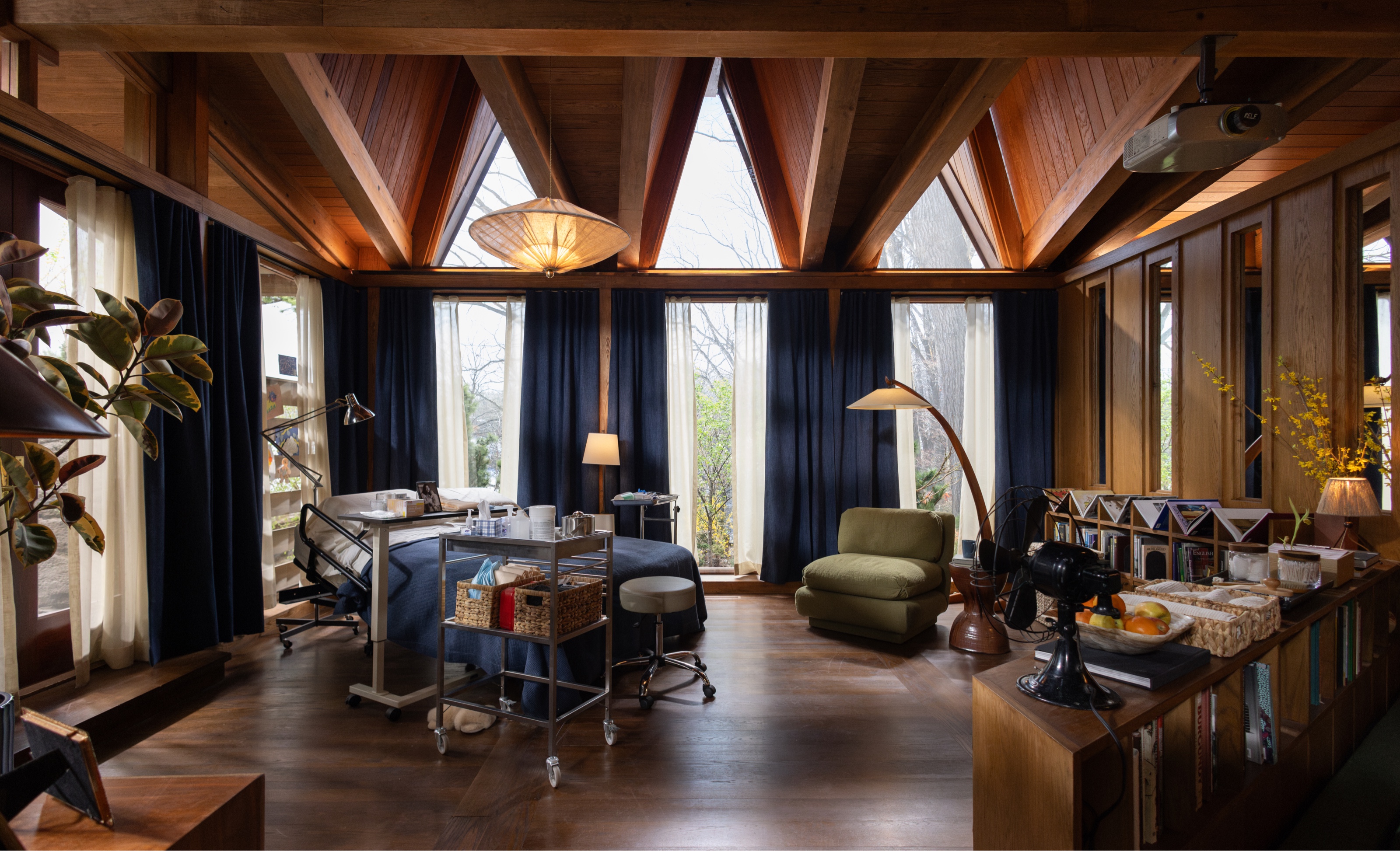
On the set of Verity’s bedroom on “Verity”, courtesy of Amy Williams and Amazon MGM Studios.
Kirill: What are the key ingredients to longevity in this industry?
Amy: It’s an incredibly beautiful and an incredibly difficult industry to be in. It takes you away from your family. The hours are horrifically long. The schedules are really tight. There’s so much stress on every project. Every project is a marathon. There are no easy projects. We’re artists, so we bring a lot of passion to this, but it’s also a business and we’re making a product for profit, so there’s some conflicting motives in between.
I’m so lucky that I get to do what I do. I get to travel the world. I get to see spaces that most people don’t get to see. I get to create things out of scratch and build worlds. I’m incredibly grateful to be a production designer. There’s times though where it is quite exhausting. It is not great when it comes to having time with friends and family.
The key to making it work is to have a support system around you that supports the art and loves the projects we do. I have an incredibly supportive partner. I make sure that my son is a part of the process. He knows and understands what mom does at work. He comes to the set and the office often and raids the craft service, gives feedback about designs and trims graphics. Finding the work balance in that way is key for me. A lot of people – and especially women – have to choose whether or not they stay in the industry, or whether they have children, because a lot of time is spent away from home. I want both. I love both deeply. It is important to make the work-life balancing act work. I’m hoping the industry slowly gets there with reasonable hours and respect for life outside of the industry. Well, I hope it quickly gets there, but things take time.
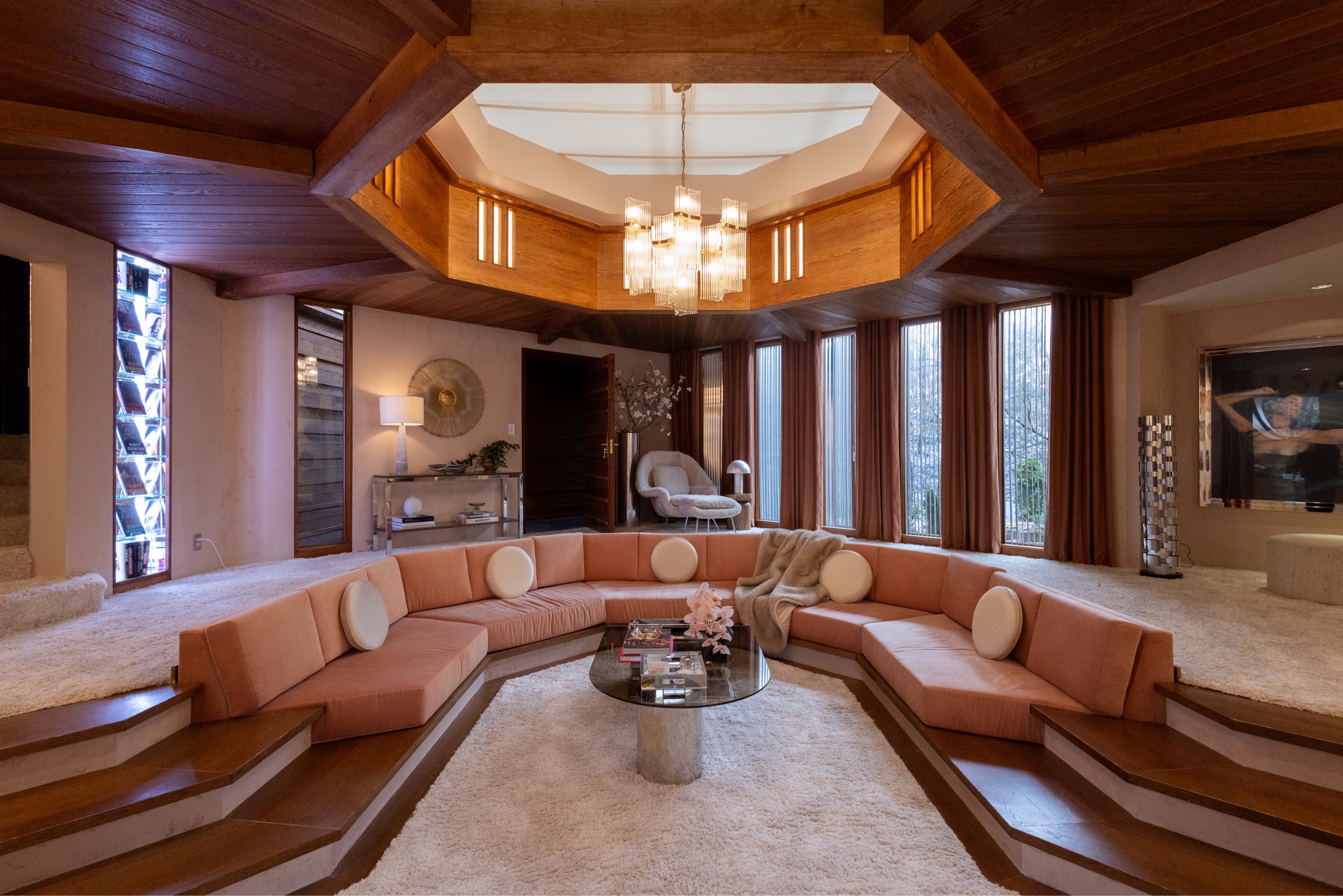
On the set of Verity’s office on “Verity”, courtesy of Amy Williams and Amazon MGM Studios.
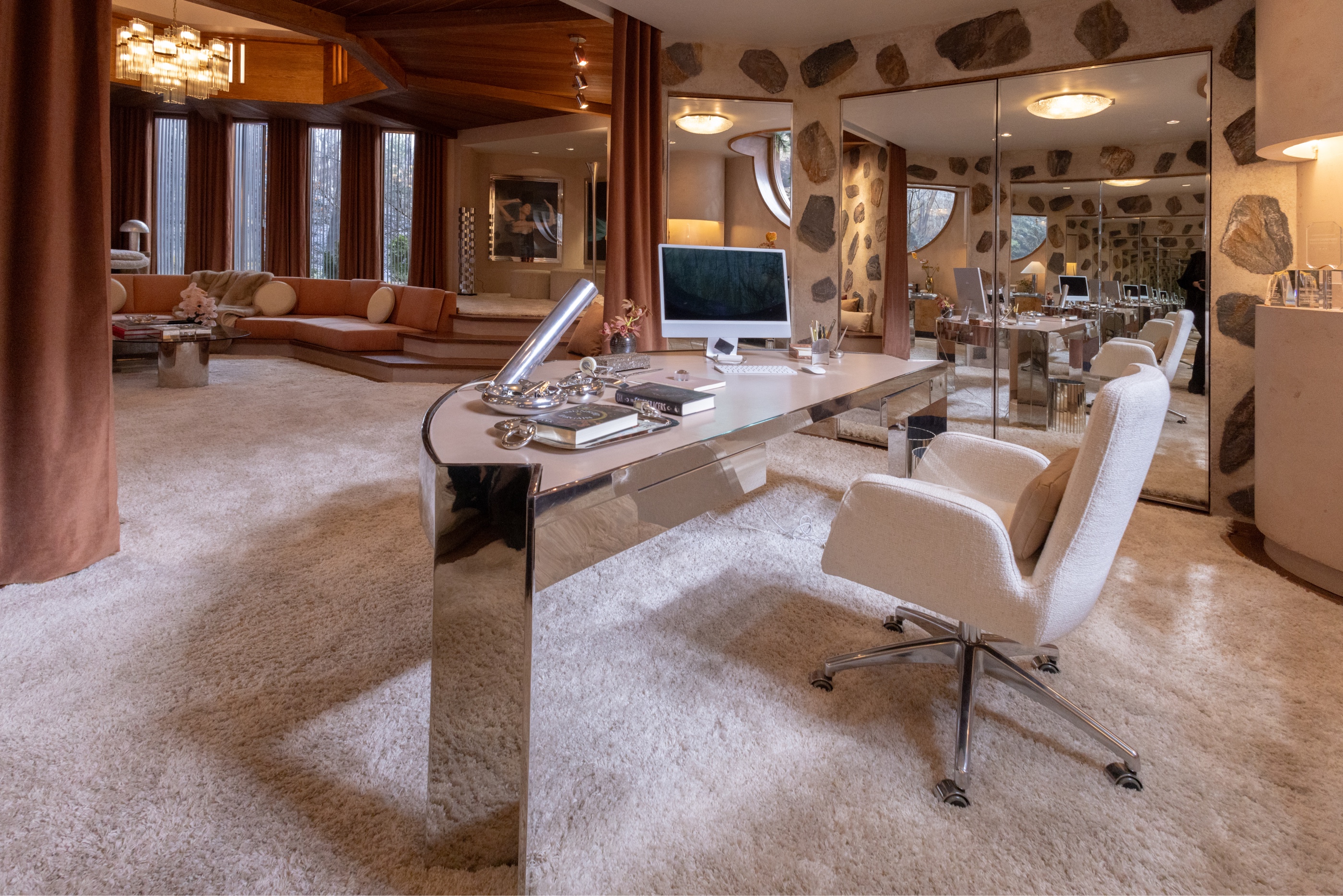
On the set of Verity’s office on “Verity”, courtesy of Amy Williams and Amazon MGM Studios.
Kirill: Out of all your travel for work, what was your favorite food or dish of all time?
Amy: There’s so many. I would say that it was on the second season of “Master of None.” We filmed in Modena, Italy. As soon as my plane landed, Aziz took us into this charming basement restaurant. I can’t even remember what it’s called, but it had a couple nonnas cooking in the back.
I was so tired and jetlagged. All I wanted to do was to put my head on a pillow. The great thing about working with Aziz Ansari and Alan Yang is that they’re foodies, and so we eat really well. Aziz passed a dish to me called gnoccho fritto, which is this fried dough with cured meat on top. It was incredible. It’s something that exists in Emilia-Romagna region. We had many great dishes, but to start off the project with that bite was so special and set the tone for our time there. I also had some seriously good food in Taiwan when I got to do “Tigertail”. That was also a feast.
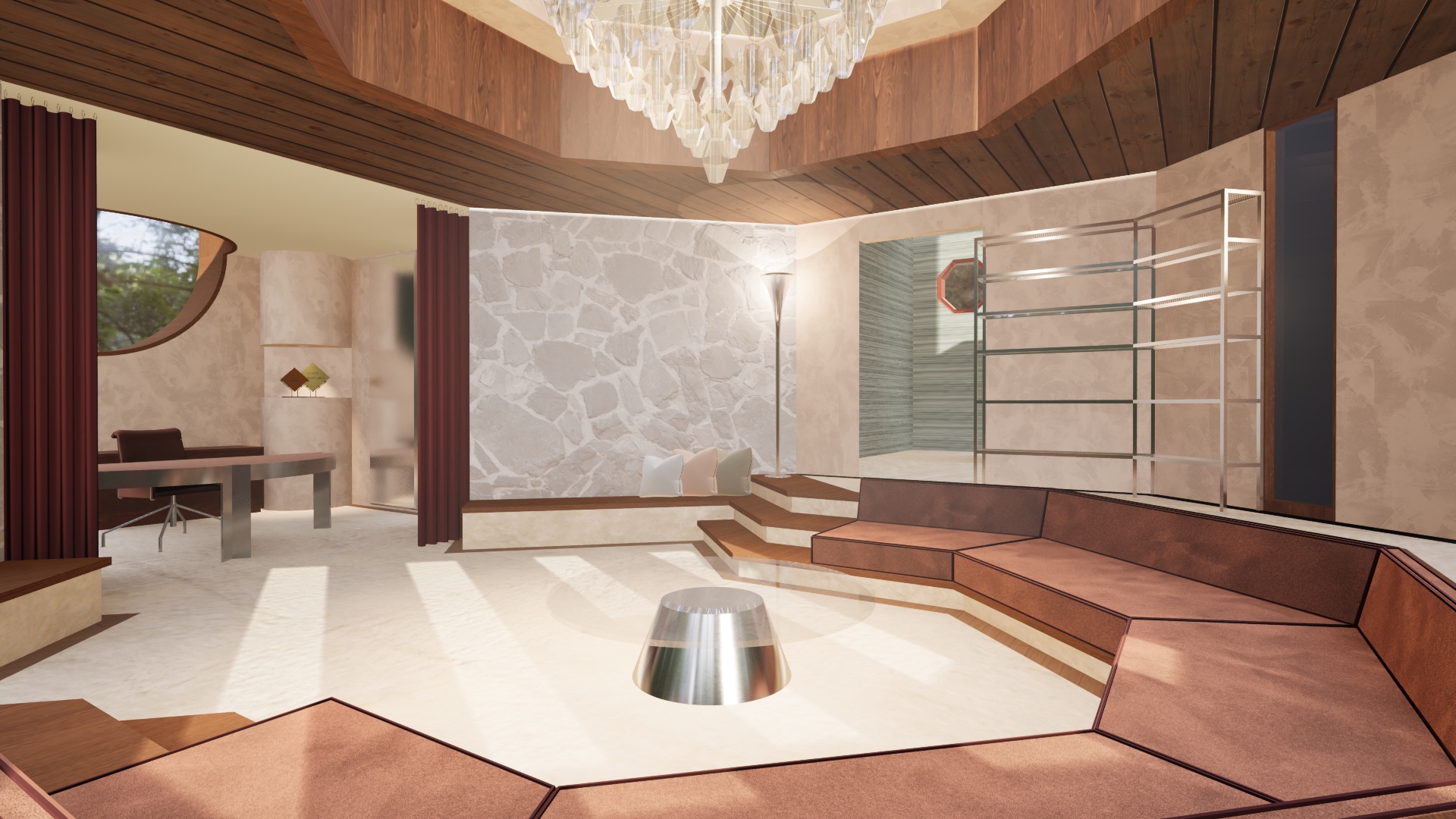
Pre-viz for Verity’s office on “Verity”, courtesy of Amy Williams and Amazon MGM Studios.
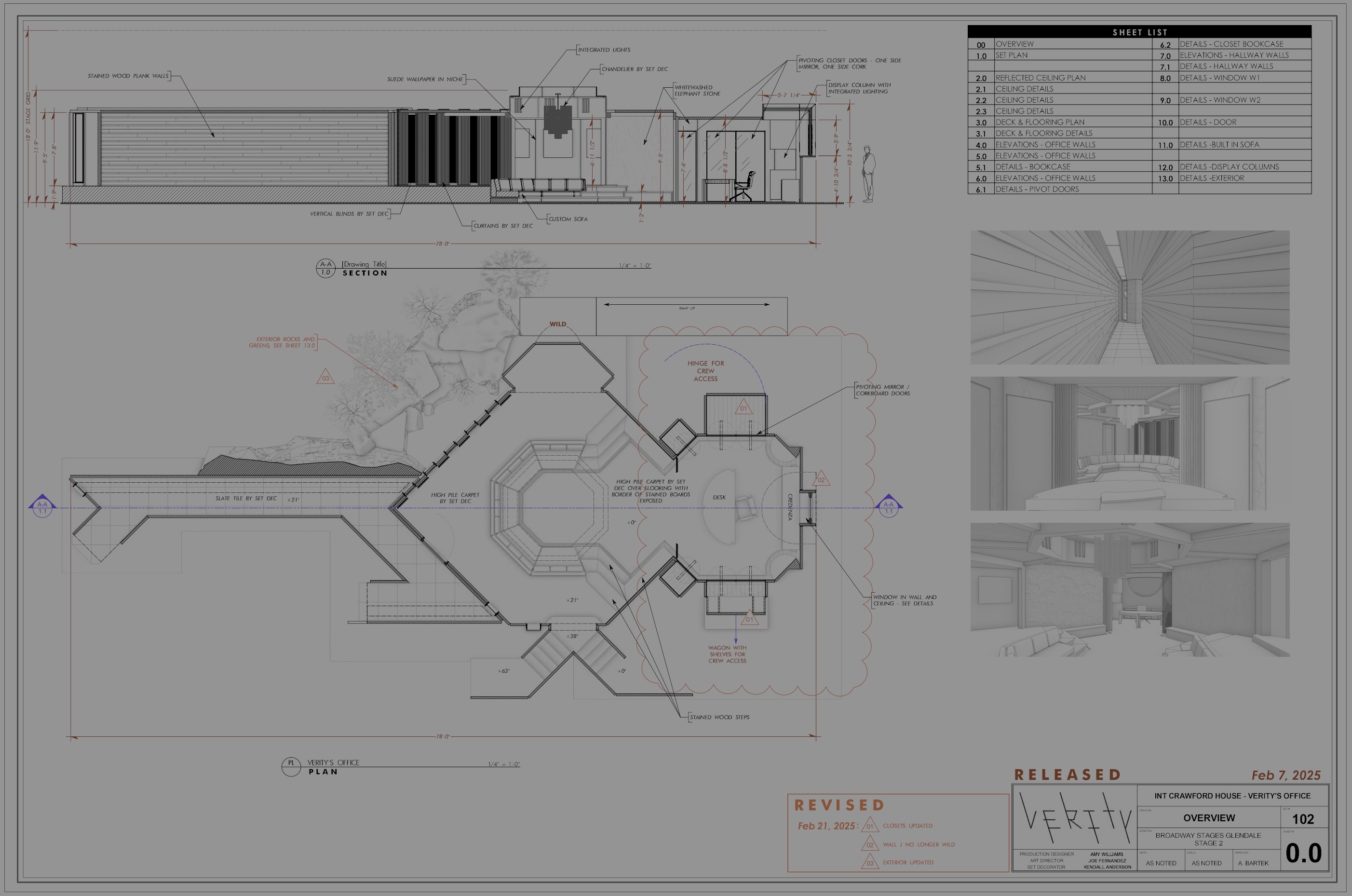
Set drawings for Verity’s office on “Verity”, courtesy of Amy Williams and Amazon MGM Studios.
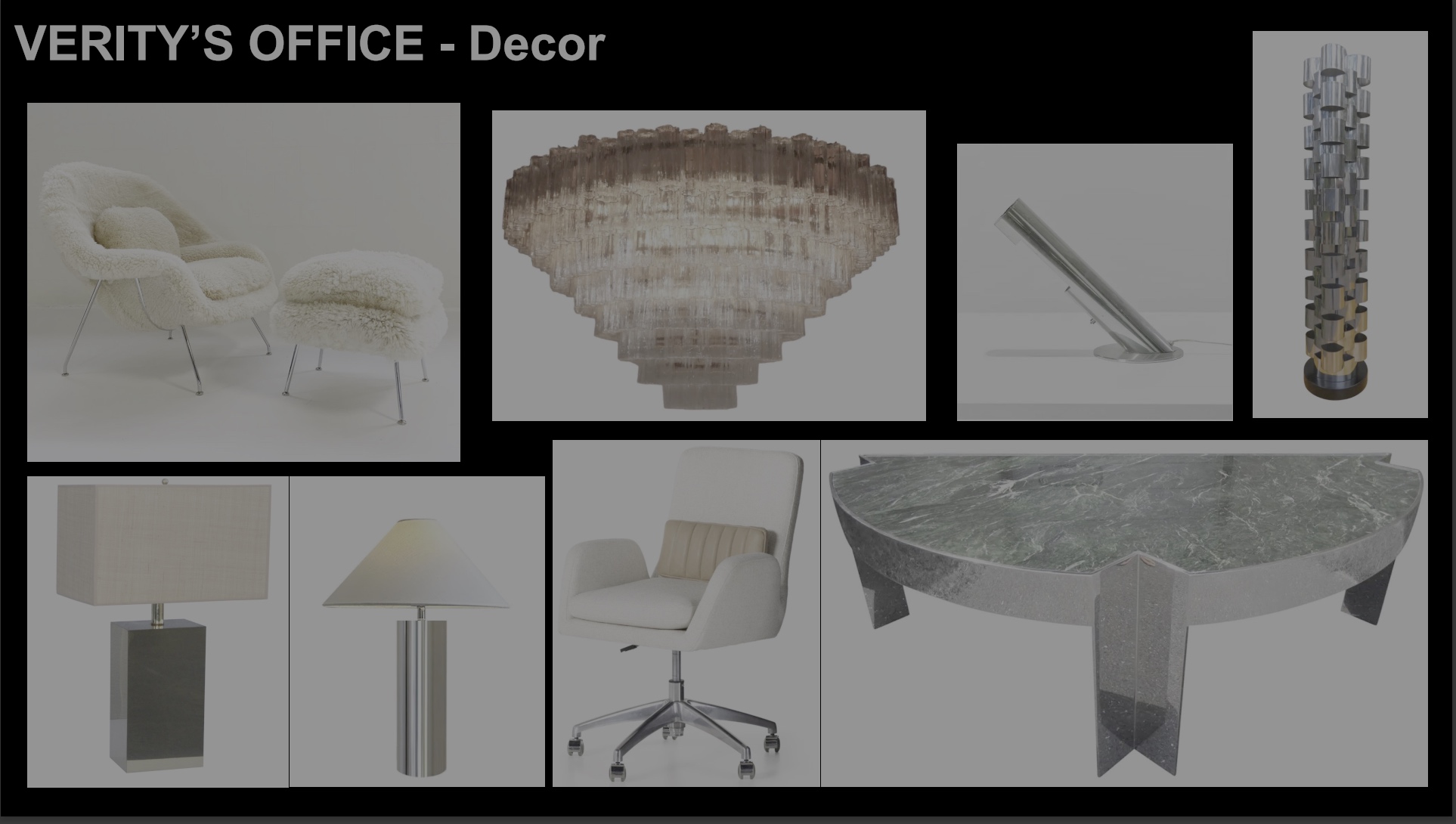
Set decoration items for Verity’s office on “Verity”, courtesy of Amy Williams and Amazon MGM Studios.
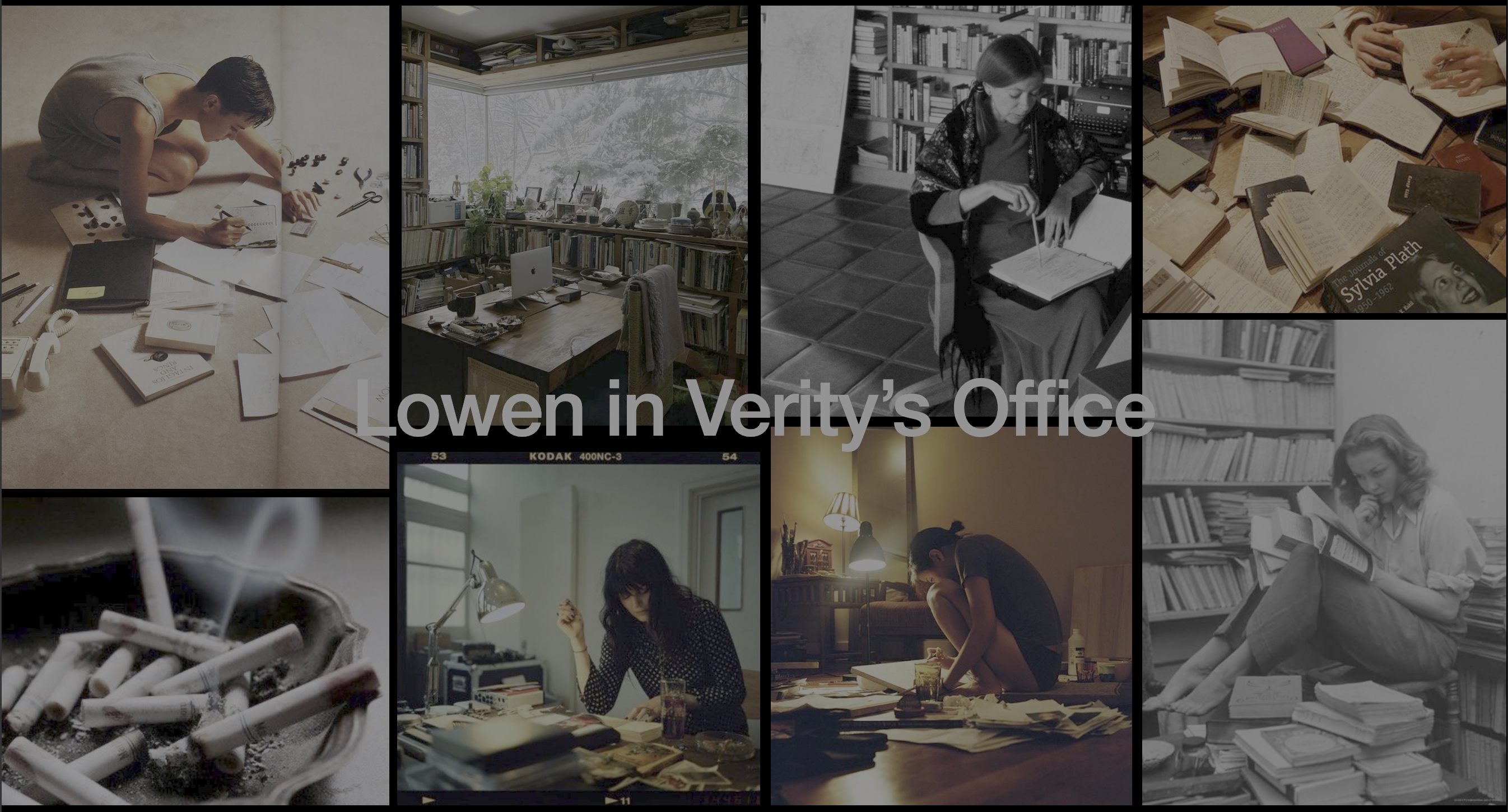
Moodboard for Lowen in Verity’s office on “Verity”, courtesy of Amy Williams and Amazon MGM Studios.
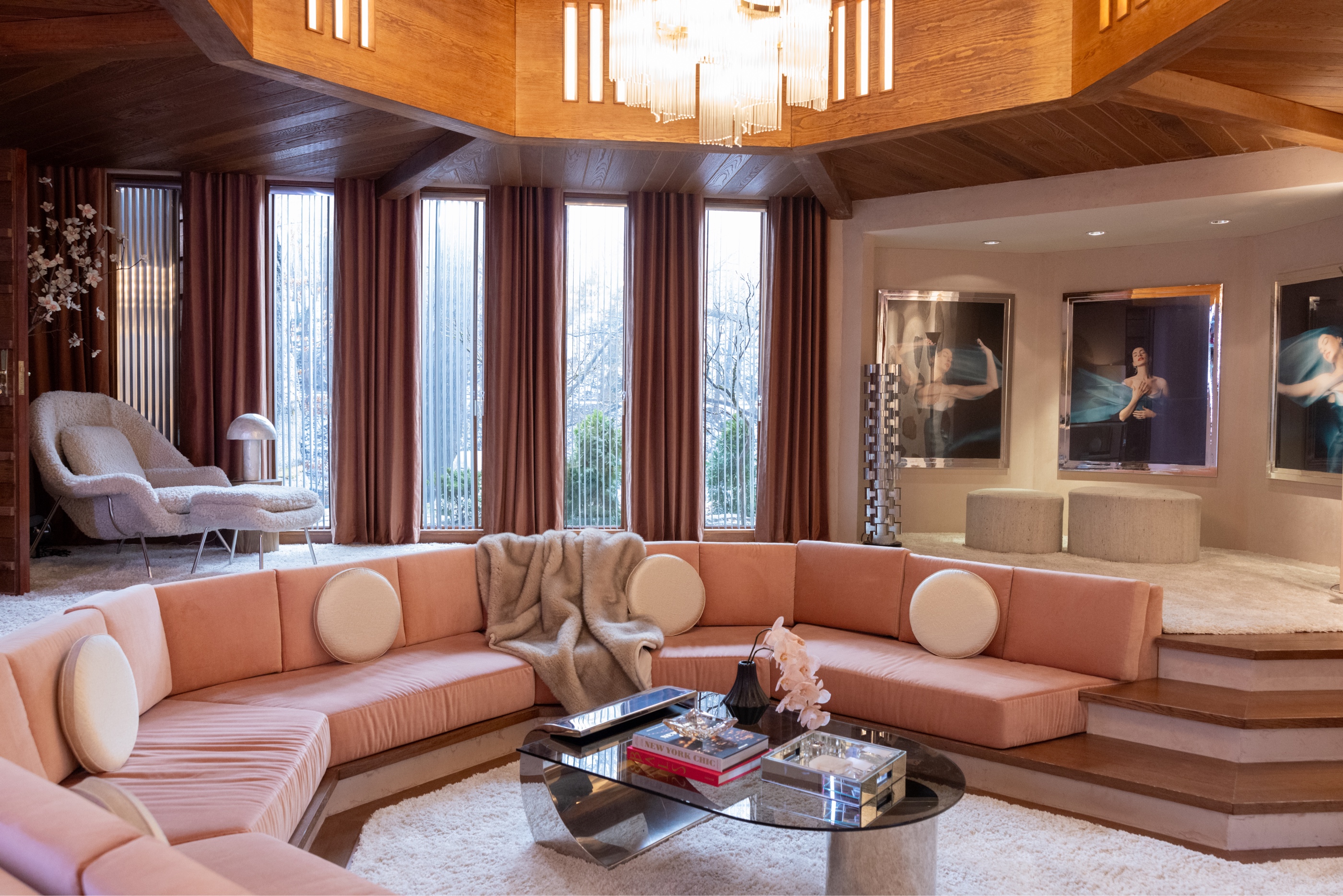
On the set of Verity’s office on “Verity”, courtesy of Amy Williams and Amazon MGM Studios.
And here I want to thank Amy Williams for sharing her time with me to talk about the art and craft of production design, and for sharing the supporting materials. I also want to thank Alex Drapac and Maddie Hilf for making this interview happen. “Verity” is opening in movie theaters this week. Finally, if you want to know more about how films and TV shows are made, click here for additional in-depth interviews in this series.
