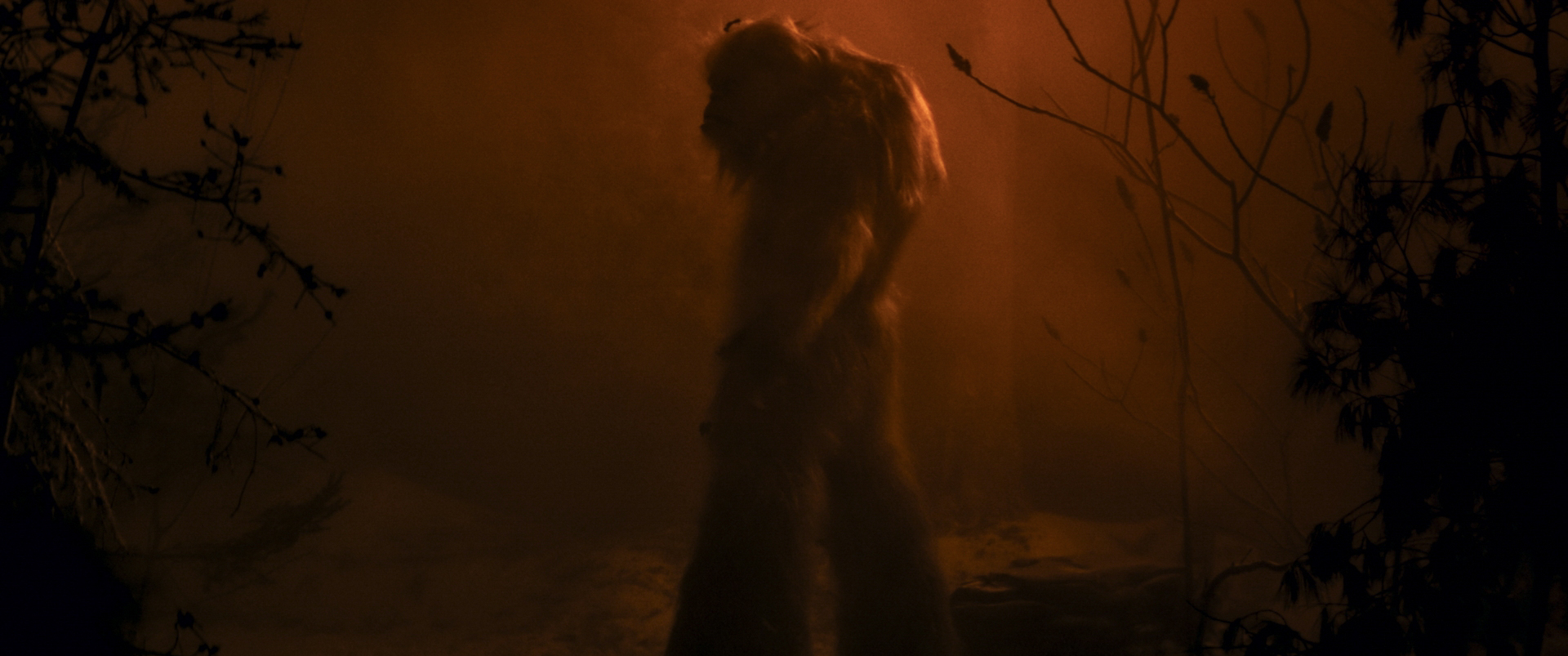
 Cinematography of "The Yeti" by Joel Froome.
Cinematography of “The Yeti” – interview with Joel Froome
Continuing the ongoing series of interviews with creative artists working on various aspects of movie and episodic productions, it is my pleasure to welcome Joel Froome. In this interview, he talks about the transition of the industry from film to digital, the role of the cinematographer, the evolution of tools at his disposal, key ingredients to longevity in the industry, and his thoughts on generative AI. Between all these and more, Joel takes a deep dive into his work on the just released “The Yeti”.
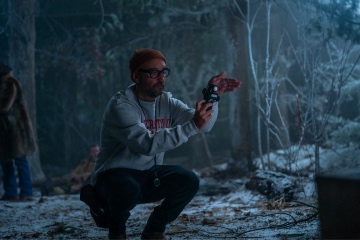
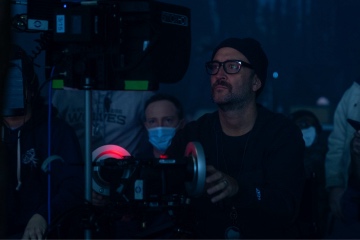
Joel Froome on the sets of “The Yeti”.
Kirill: Please tell us about yourself, the path that took you to where you are today, and how early you knew you wanted to be a part of this industry.
Joel: It’s a fascinating question because the film industry is such a unique and diverse place, and people definitely don’t have the same journey to get there.
I grew up in Sydney, Australia. I went to Balgowlah Boys High school, and when I was about 15 years old, I saw an article in the newspaper that a legendary cinematographer named John Seale had won the Academy Award for “The English Patient”. That was big news because I was at the high school that he went to many years earlier – and that’s how I had heard of cinematography, but that’s not what made me want to be a cinematographer, obviously.
Fast forward years later, I was trying to discover what I wanted to do. A career advisor put me in touch with a course at the Australian Film School. One day a director spoke in the morning and an editor spoke in the afternoon, and while it was interesting, it didn’t resonate. And then it was Thursday afternoon, and a cinematographer came in and spoke for three hours, explaining what a cinematographer does from start to finish on a project. That cinematographer was Andrew Lesnie who went on to do the “Lord of the Rings” and “The Hobbit” movies, and that day is such a vivid memory for me.
I’d been doing photography all through high school, and I wasn’t sure what I wanted to do with my life. I remember Andrew’s talking about the collaborative nature, telling stories visually through photography, and using light – and it hit me so hard. And I was sitting there thinking that I just graduated high school, so how do I do this now? And then I thought back to that time hearing about how there was a former student that had won the Academy Award, so through some people I got in touch with John, and I was able to ask him a few questions and pick his brain a little bit.
I went on to work in the camera department for a little bit, and then worked at Panavision for a little bit to learn gear, and then eventually went to the Australian Film School to study cinematography a number of years later. After graduating and spending a bit more time in Australia, we decided to move to the US with my wife in 2011. I didn’t know anyone over here, so I volunteered to work on short films and try to get on anything possible. Through some connections I had in Australia, I did a short film out in the California desert for pretty much no money, and through one of the actors on that short that later auditioned for a feature film I connected with the director that loved the look of our short. That’s how I ended up in Sweden in 2013 shooting my first feature film.
After spending a few years in New York City we moved up to Buffalo, where my wife’s from, and I’ve been living in Buffalo for about 10 years now. And now, “The Yeti” was the first opportunity to do work in Buffalo itself.
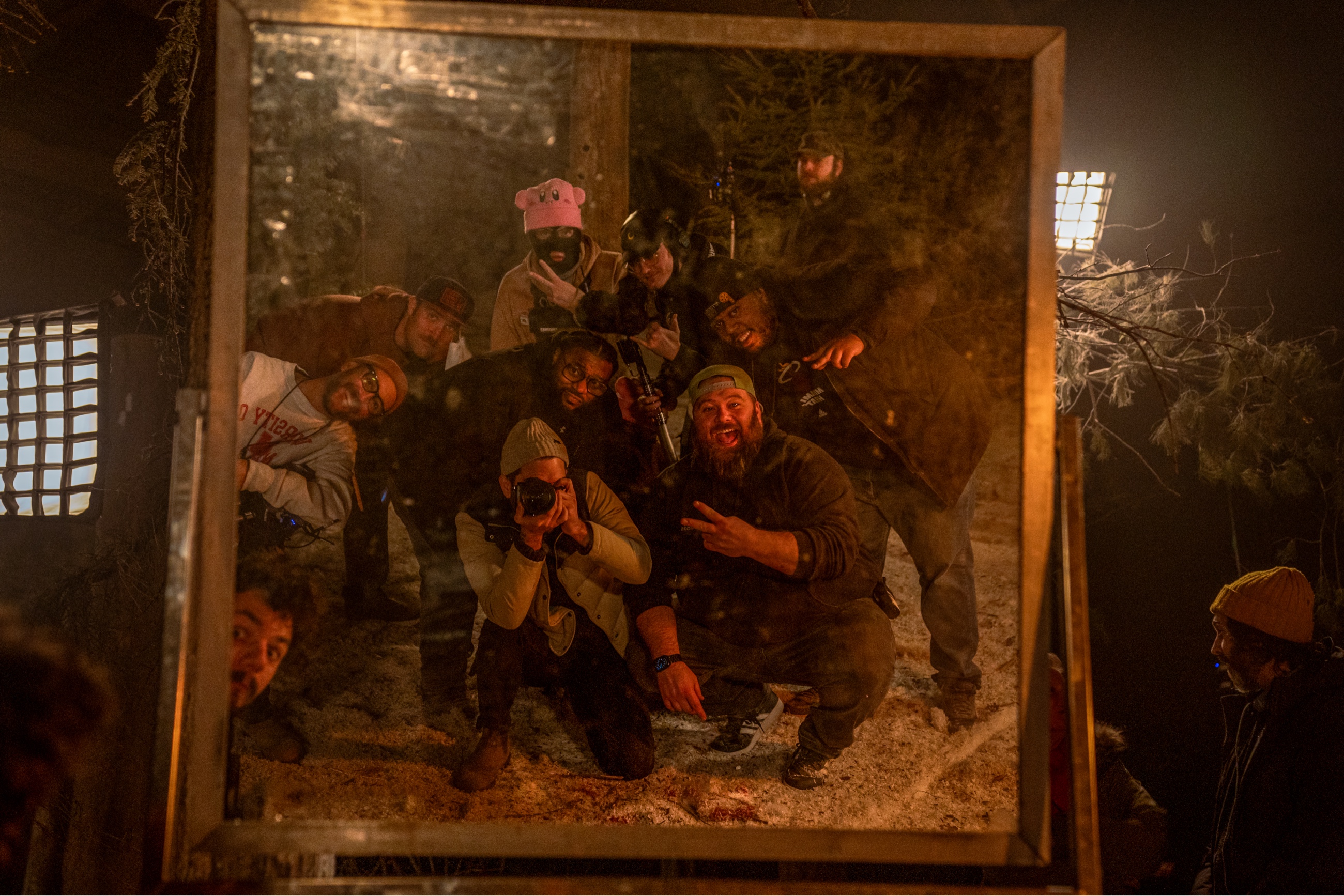
On the sets of “The Yeti”.
Kirill: Over this period of roughly 20 years, how do you see this debate / divide / transition from film to digital?
Joel: It’s interesting, because even if you’re shooting film now, it goes through a digital process. It’s an important debate.
I was the last of a certain generation that only learned on film. When I was at the Australian Film School in 2009, there was a distinct point about halfway through the year when RED One camera came out. All of our projects and tests up until that point were on 16mm and 35mm, and from that point on we were on digital. I was terrified. I didn’t know what to do with all those buttons.
At first I was scared, but then we started talking about it and starting to use it. For myself, I decided that I was going to do the same process that I used to do when shooting film, and that I was going to approach this as a negative. How do I get the best exposure? How can I get the most latitude? What’s the look of the story that’s going to be able to be the best for this? So I still use a light meter. I still use a contrast viewer. I try to approach things like I still shoot on film. I like the discipline of shooting film and not doing 50 takes because we can.
The discipline of shooting film is important. I was helping out at a film school and teaching a course, and I saw those young students shooting something and their image was overexposed. They looked at the monitor and saw that, they went over and closed it down, and everything was good. But my question to them was – how did you get to the point that you were two stops overexposed? If this had been film and you didn’t have the monitor, you would have rolled and it would have been overexposed. It’s important to understand the process as to how you’re going to expose, and nothing was better for film than doing that.
It’s hard to get film cameras approved from production, especially, but it’s getting more common because it has become popular again to shoot film.
If you’re shooting digital now, there are great cameras that can give you so much detail. And when you go through the digital intermediate, there are software packages that add grain that react with your image instead of being a static overlay. You are able to get those filmic images. That’s the feeling that we love and resonate with from film.
In the debate of film versus digital, each project has its own merits. As long as you understand the fundamentals of film and you bring that to digital, you can get the most out of whatever format you’re shooting on.
Kirill: What do you feel are the bigger misconceptions about cinematography and the role of the cinematographer?
Joel: One of the biggest misconceptions is that cinematography is just beautiful images. I have friends not in the industry, and they say “check out this beautiful cinematography” and it’s some compilation of drone footage of sunsets. That’s nice to have as a screensaver, but that’s not what cinematography is.
A lot of people think it’s purely based on beauty, whereas it’s the art of telling the story and collaborating and bringing a director’s vision to life. Sometimes that’s ugliness. Sometimes that isn’t beautiful. But it gives what the story needs. Good cinematography is when you can best serve the story, to get the emotions needed for that film to make it an overall experience that the directors wanted the viewer to have. That is the most important thing about cinematography. It isn’t just these beautiful images or moody images. It’s what helps the story convey the right tone for the director.
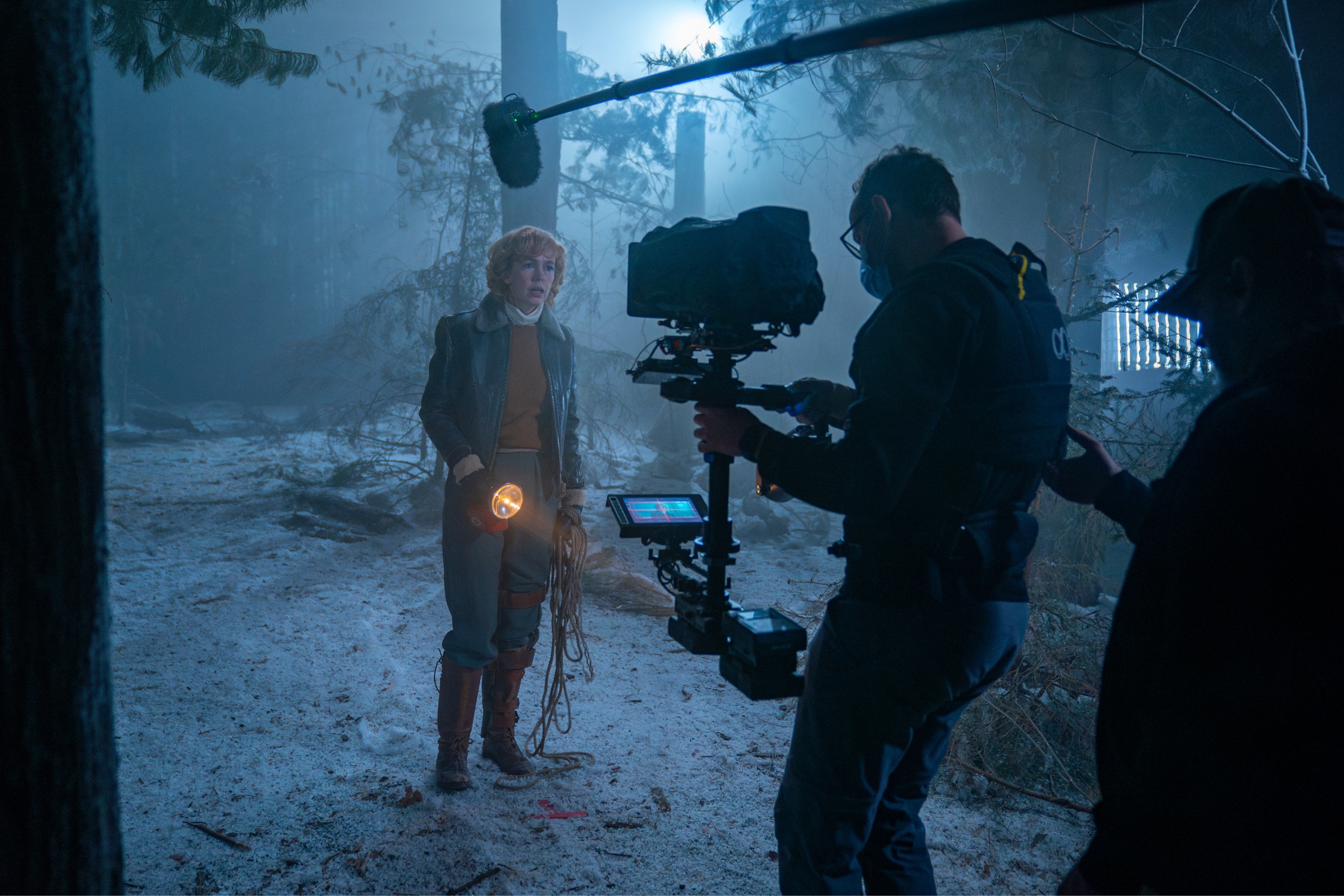
On the sets of “The Yeti”.
Kirill: Apart from the transition to digital, what other big changes have you seen in the industry itself or maybe in the field of cinematography?
Joel: Technology is changing in every aspect of cinematography. Lenses are getting bigger and cheaper, and you’re able to do all sorts of things with them. Production might ask “why can’t we use these new lenses”, and it’s because they might not have the right texture and the right feeling for that film. The price point can be a tough challenge when negotiating when you want to achieve a certain look for a film. The possibilities with the cameras and lenses are endless. You need to be able to decipher all of that and to “sell” the producers on what is the most important thing for your particular project.
DaVinci is such an amazing software and a lot of people are getting into color. I find that the new generation of colorists that don’t have the experience of working with film are not getting the references that I give them for a certain film stock look. It’s not just the technical skills of working with the software itself. There’s so many options between color, cameras and lenses, but you still want to go to the people that truly understand what color means to a film.
Kirill: Are you excited about any particular advances in lighting technology?
Joel: Lighting changed so much over the last few years. For years you had Arri lights, Mole Richardson lights, and then old school tungsten and daylight fixtures. And then the LED lights started to come out, and it was a game changer in what you could do.
As this technology has developed over the last few years, it’s remarkable what some of these companies are able to build. The output of light for the size is incredible. The fixtures used to be so big and expensive, and now you can get these strong lights in small packages at affordable price points. Aputure is one of these game-changing companies that are building fixtures that offer nice images and nice clean beams of light. You get to the point where you ask yourself what is it in an old-school HMI film light that can be replaced with LED lights. It’s so incredibly versatile, small and powerful. And everything is controlled and dimmable via an iPad. The future of lighting is exciting.
Cinematography of “The Yeti” by Joel Froome.
Kirill: A few years ago there was this promise of cheaper cameras and lenses, and having iPhones in everybody’s pockets that would revolutionize and democratize filmmaking. But it’s still difficult to make a story that reaches a good audience of viewers. Where do you see the barriers?
Joel: In this industry you learn by doing. When you see people shooting a film on an iPhone, a lot of people still roll their eyes. I was just at a film festival a few weeks ago and there was a film there that was shot on an iPhone. It was great. It had a good look to it. They were able to do it. But they didn’t just shoot straight on an iPhone. They got the rig. They had a lot of problems with overheating, so they had to get cooling bags to put on it.
If you’re able to make a film on an iPhone, maybe it’s not the highest quality. But if you’re able to tell a story and put it together, it doesn’t matter as much what camera you have. If you’re shooting a certain frame – no matter what the quality is – if that frame can tell a story and that story makes sense, that’s great. People need to embrace it as a way of learning and a way of getting better as filmmakers.
If a director wants to make a film, and they learn by putting out a short film they shot on an iPhone, and it works, and they can level up from that learning experience – that shouldn’t be thrown away as a lot of people want it to be. It’s a great way of being able to find your voice. A lot of people don’t have $30K for a short film to get good cameras and lenses and hire a bunch of crew. You can make it with your friends. It doesn’t matter whether it’s the best looking film ever, as long as you’re able to find your voice as a filmmaker. It’s a good way for people to start.
Cinematography of “The Yeti” by Joel Froome.
Kirill: Getting to “The Yeti”, what is the secret of the enduring appeal of the horror genre and the monster genre, at least for the American audiences?
Joel: Over the last decade the horror genre has been one of the most exciting places for the filmmakers to have the most freedom in. There was a period of time where horror films were associated with “Saw” and “Hostel”, more of the torture porn subgenre, as they called it. I think people got exhausted that horror needed to be gross and disgusting, and that’s what you were getting out of that.
And then all of a sudden, these filmmakers started coming out and blending genres and telling these stories that were so good. You have these amazing films mixed in with horror elements. Filmmakers are able to use horror as a vessel to tell bigger stories and really have fun. That’s what old horror films were. They were fun and exciting and different and new. Horror lets people experiment and find their voice as a filmmaker.
Creature features have been around forever. You watch the old King Kong and Godzilla films, and it’s part of filmmaking. No matter how big your budget is, and no matter how crude they sometimes might be, you put these mythical stories on film, and it’s fun. That’s what a lot of people love about movies. They take you to this wild world and somehow you believe it for those couple of hours.
Kirill: What brought you to this particular film or perhaps what brought this film to you?
Joel: I’ve been living in Buffalo, New York now for 10 years, but I’ve never worked up here. One of the local rental houses had told the line producer about me. He gave my name to the directors and producers, and they sent across the script. It was quick, barely enough time to digest and do a breakdown before meeting with them the next day. It was such a fun idea, and I had pictures in my mind of how I thought it could look.
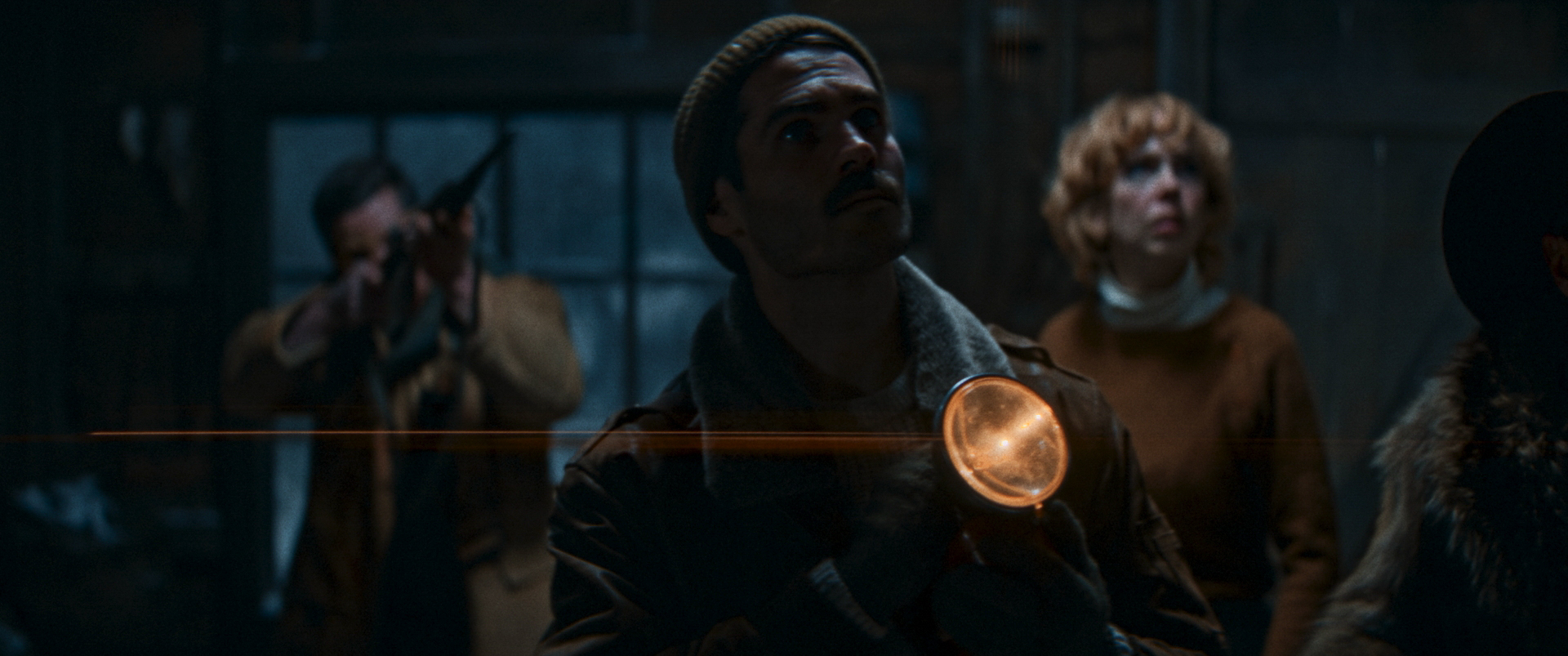
I pitched the look of the movie being this throwback to films like “The Thing”. I also talked about one of my favorite cinematographers Robert Richardson, and how he uses pools of lights. I thought we could do that in our interior scenes to create this interesting look, but then give it that nostalgic feel that film gives. I was excited about the prospect of shooting this film and giving it that throwback feel to films that we love.
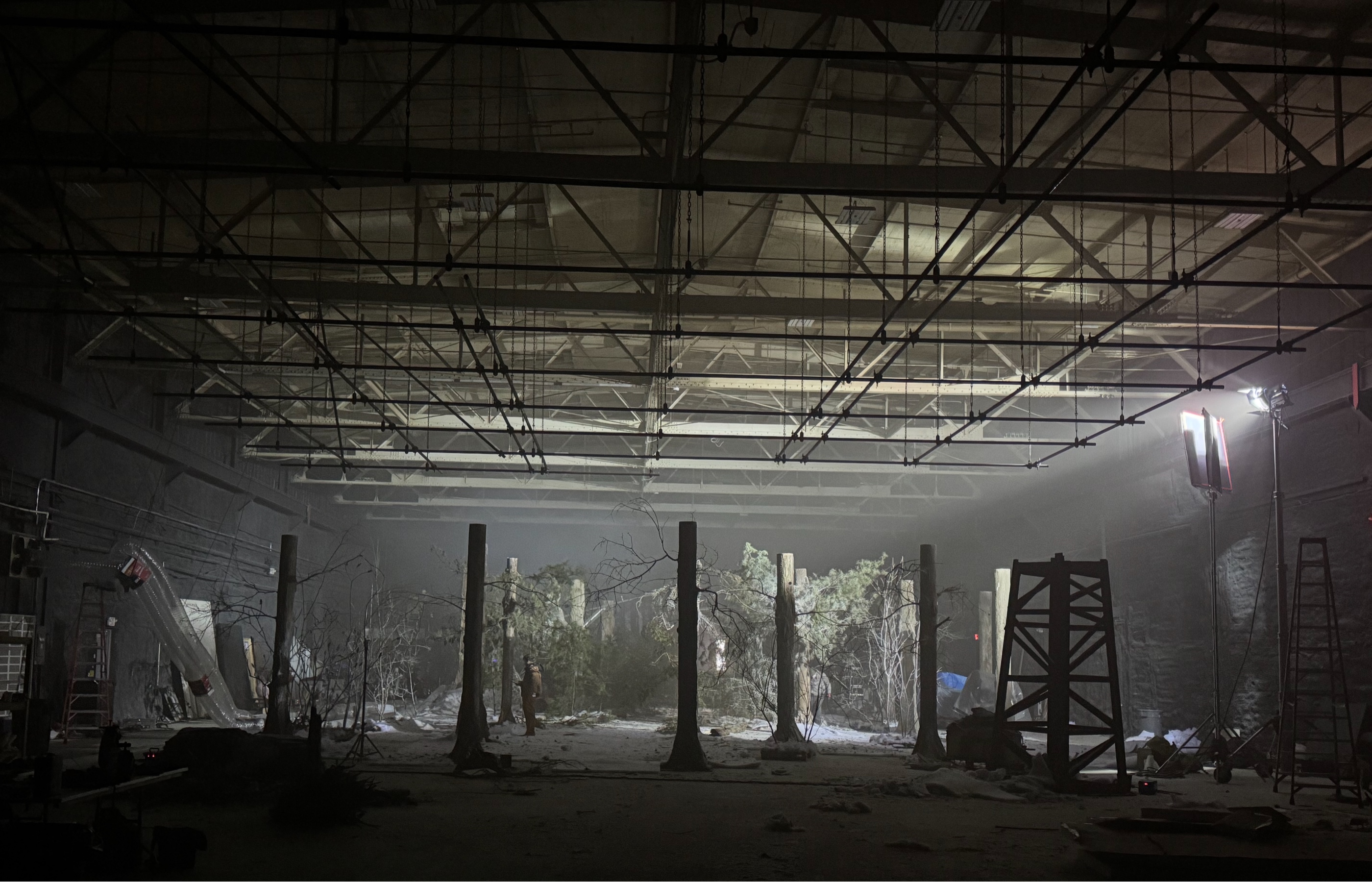
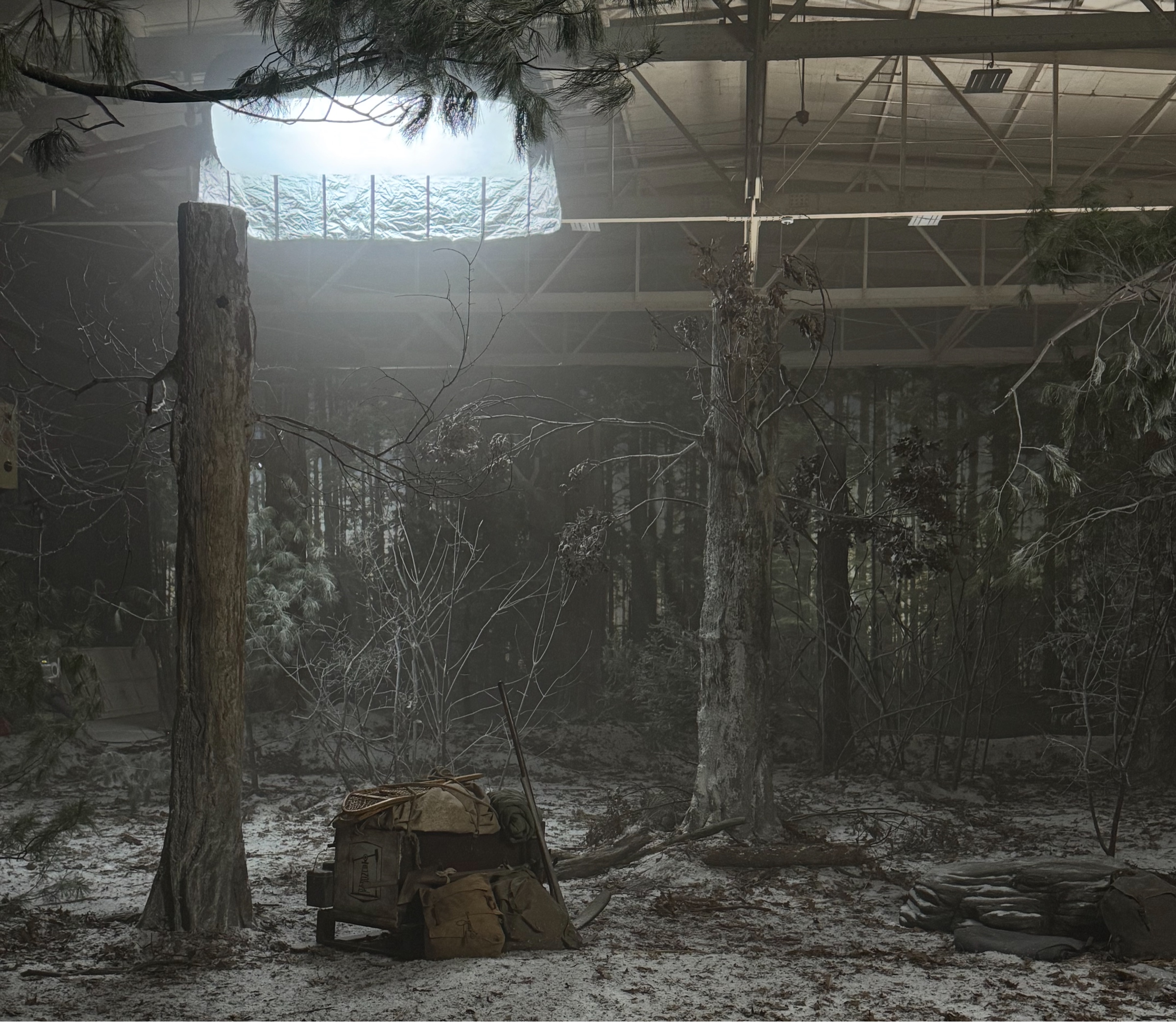
I knew it was going to be a challenge because we shot the whole thing on a soundstage. It was not a big soundstage, so we had a lot of technical issues with our budget. Our brilliant production designer could only build 18 trees, and about 80% of our movie is set in a forest. It was challenging when you only have 18 trees that don’t have tops on them so we can’t tilt up. It was a fun challenge to find the right lenses that could give us the right feel to convey that old filmmaking tone in a modern setting.
On the sets of “The Yeti”.
Kirill: We get this visual look from the very first frame, and it brought me back to the time where for a few years I watched only the TCM channel on my TV. You have these rich vibrant colors, but also a certain cinematic look that is a little bit less sharp compared to what we see today. Was that what you were going for?
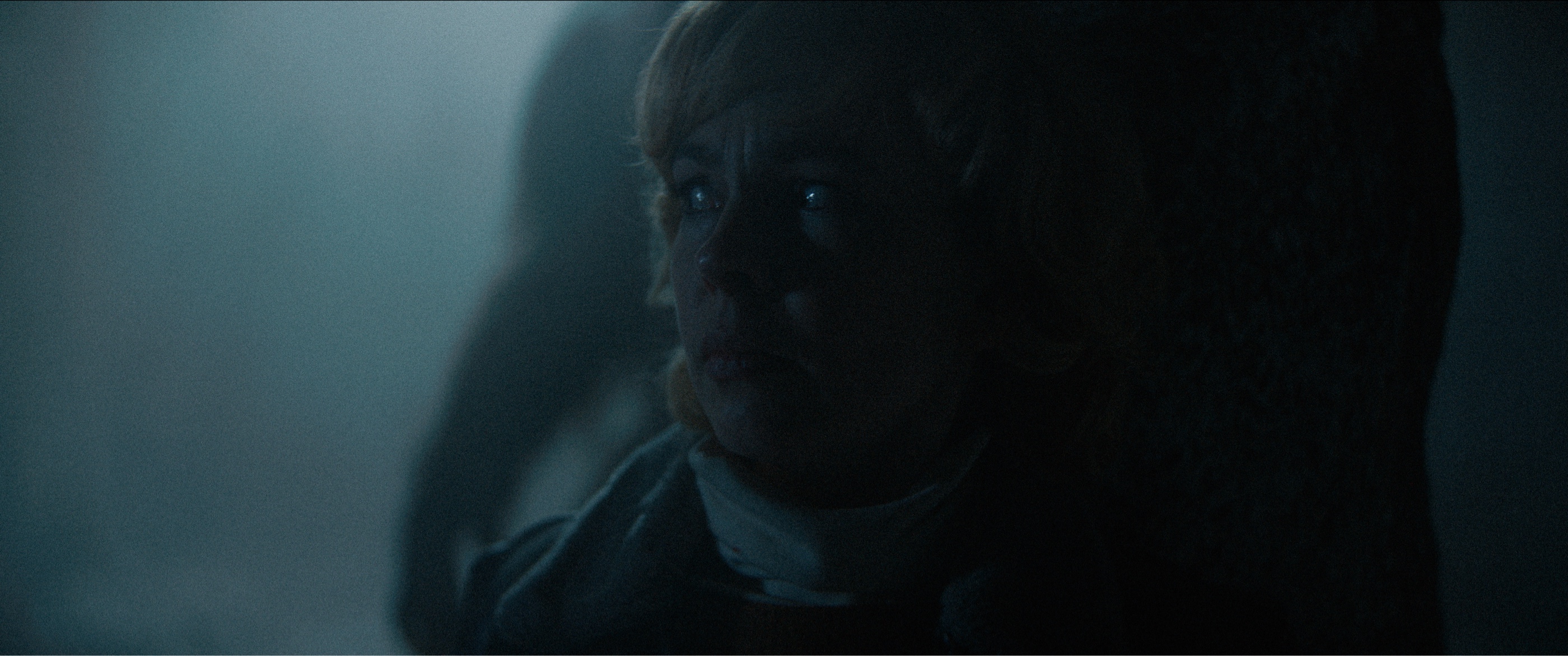
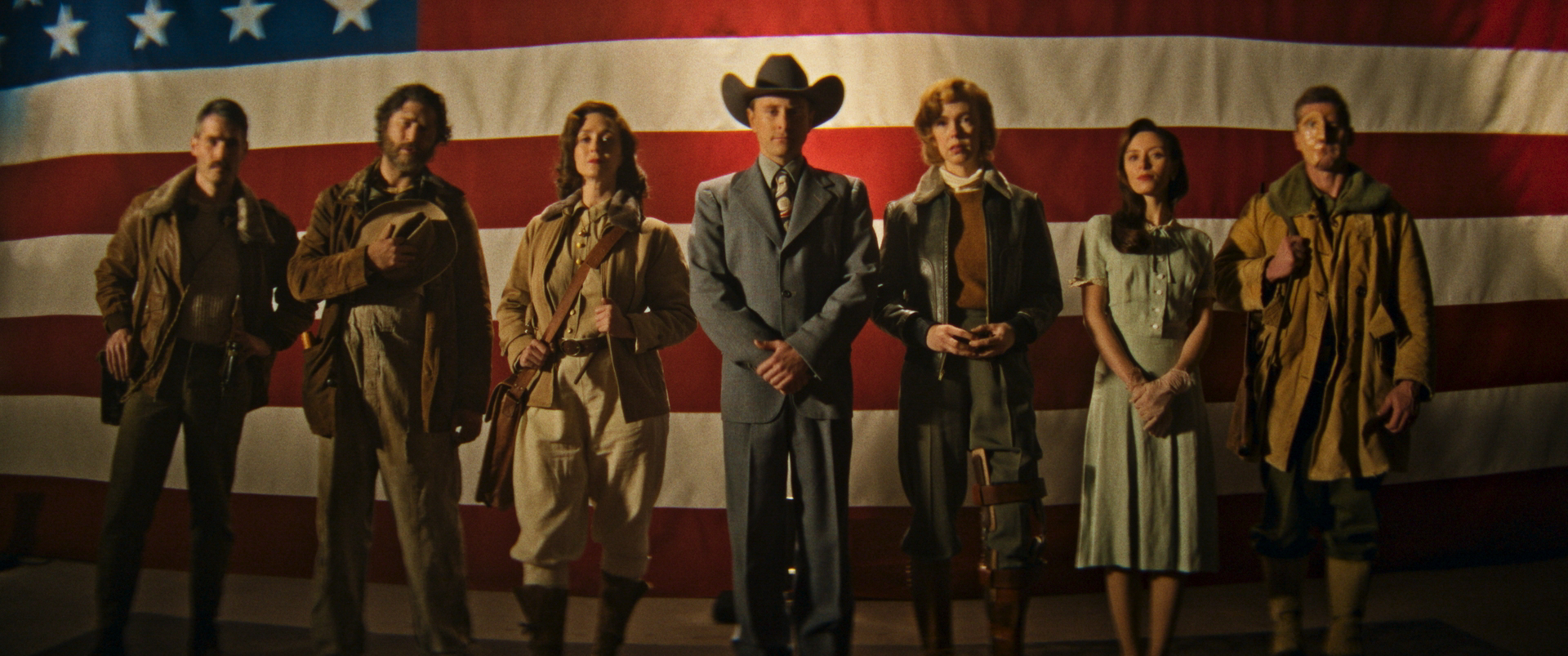
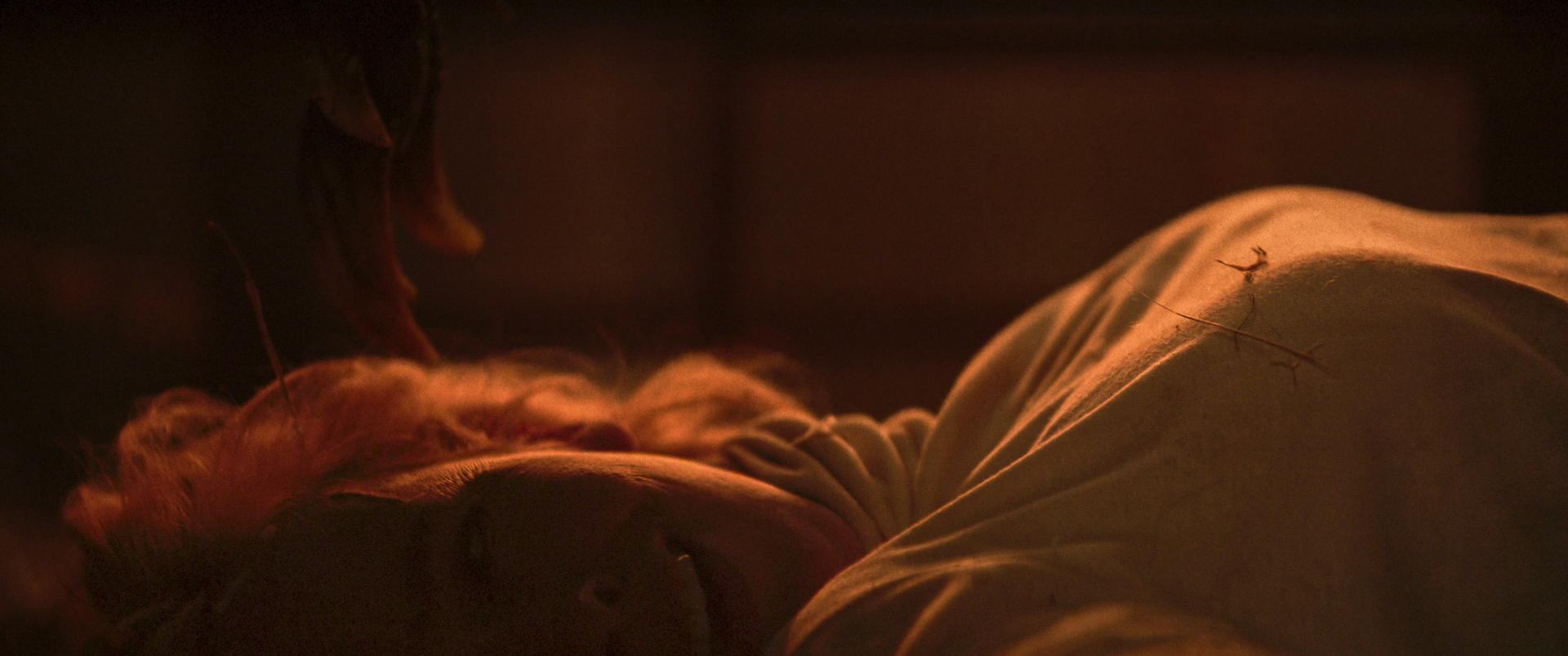
Joel: Definitely. We knew there would be a lot of haze, and that was going to affect the sharpness of the image. We shot on Alexa Mini LF, and we were lucky enough to get the second full set of the Atlas Mercury lenses. We liked those lenses, but as newer anamorphics, they are much sharper than what we had originally thought about using. We definitely wanted to soften it up a bit. When things are clean and sharp, that doesn’t feel as filmic to me. So I try to find ways to “dirty” it up a bit, with the look-up tables [LUTs] and with how we light.
Kirill: Speaking of colors, you have this separation between the cool blues and the warm yellows. What were you going for there?
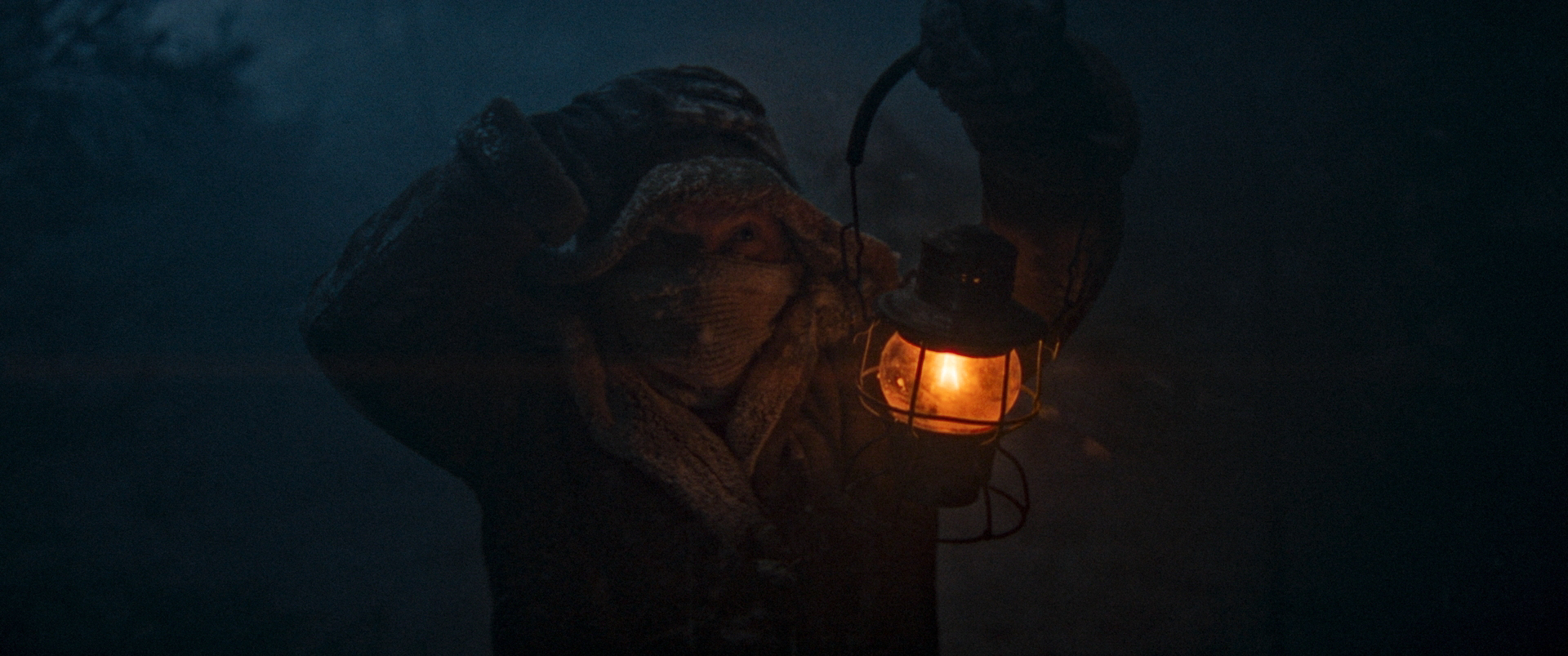
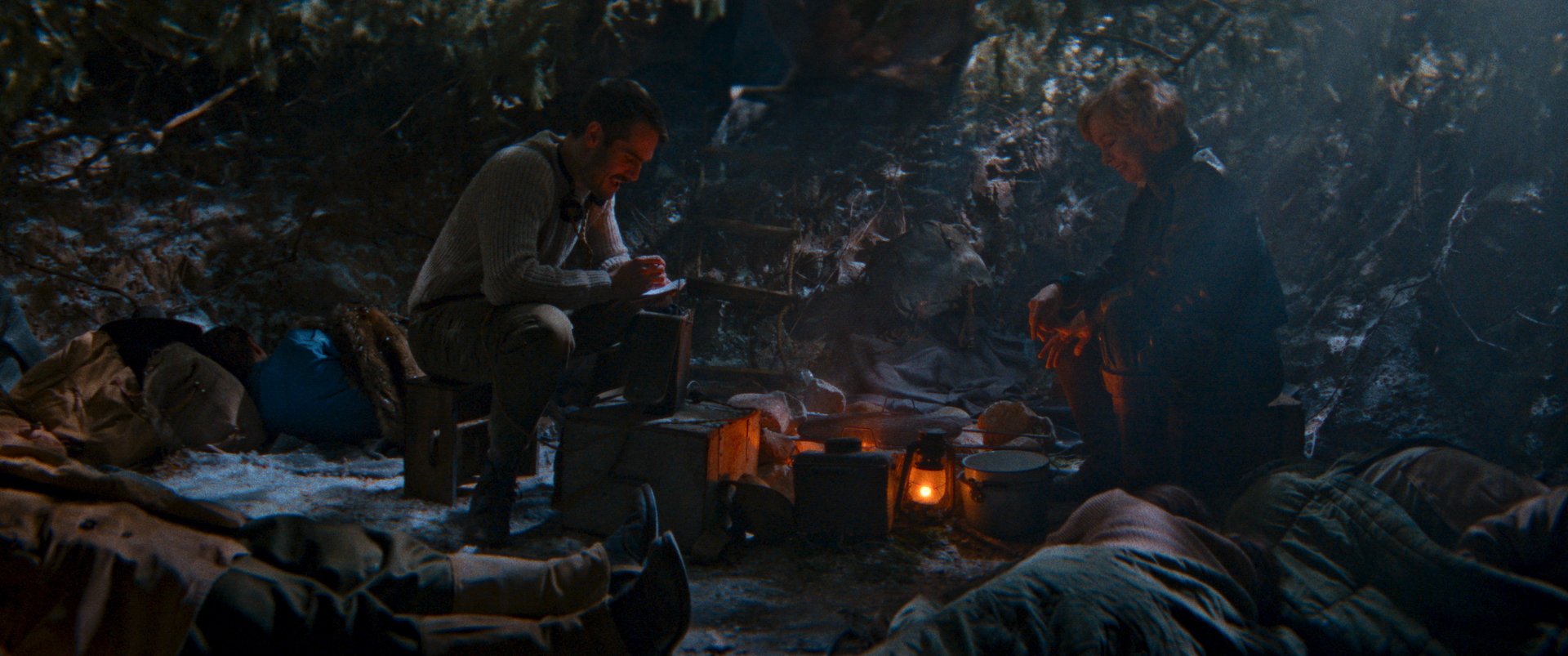
Joel: There was always discussion on moonlight and how dramatic we wanted it to be. Pretty early on we settled on it being way more of a silver moonlight. It can be pushed in grade afterwards, but we did want to avoid an overly blue moonlight. We knew they’d have their flashlights, practicals and lanterns for color separation, but we didn’t want that teal blue feeling. We wanted it to be more neutral throughout to have the warmth of the firelight and the practical lights to shine through. It’s a matter of not having the extreme blues and extreme warmth to be that far apart.
Cinematography of “The Yeti” by Joel Froome.
Kirill: What did you go for with light sources?
Joel: We wanted to make it feel like it was a relatively single source lighting. We have a big moonlight and as little fill as possible, and I love that. I don’t love a ton of fill.
When you go back and watch some of these older films, they are a bit more stylized than what you see today. I knew I would have to be a little bit more dramatic in the lighting to use a bit of fill light to fill in some gaps here and there. “Nosferatu” had just come out, and there was this one scene where he’s walking down the driveway washed in one big moonlight. That image of one big moonlight and a relatively silhouetted subject stuck with us.
We knew we would need to fill in a bit more. We had Aputure 600C for our big moonlight source, and a 1K balloon light as a soft source. I didn’t want many shadows, as that moonlight source was a stronger one than I would normally use for moonlight. And then we had a couple of little panel lights if we ever needed a tiny bit more here and there.
Later on when we get closer to capturing the Yeti, the directors wanted the moonlight gone. They wanted it to be firelight only. They wanted a distinct change to come through. For that we used some flame bars and ambient to lift it up, and a mirror board to bounce the flames so that we could use the flames as our key source. One of the references they sent was this shot from “The Revenant” where they’re on horses in the forest, and it’s firelight and everything else is darkness. That’s the vibe that we wanted to switch to. It’s a distinct tone shift later in the film where we took away all of our moonlight and it became ambient firelight.
Kirill: How difficult is it to do atmospheric effects at the scale of a smaller indie production and the level of effects that you wanted to achieve as we gradually get the glimpses of the creature?
Joel: It’s so ambitious to do a creature feature on a low budget. That’s why we tried to keep our lighting package small. This is a film where they’ve spent a lot to build this creature, and we didn’t want to take away from that. We had to be creative to find how we can work with a minimal amount of gear.
The Yeti is white, and that is challenging. You don’t want to be full silhouette when you’re starting to show it, because it looks like Bigfoot. It’s about how we can show enough to give glimpses and to be scary and know that it’s a Yeti without giving too much away. We had a great practical effects team that was keeping the haze levels. We were trying to keep the Yeti in enough haze, and to have a stronger haze as we get closer to the Yeti. You can’t spend too much time on one thing. We needed to give the stunt team enough time to be able to flip cages or to be able to pull people through windows on wires. We tried to be as flexible with our lighting plans as possible.
On the sets of “The Yeti”.
Kirill: What was the biggest challenge in recreating this Alaskan wilderness on a stage?
Joel: It would probably be the size of the set. We only had our 18 trees, and it required a lot of planning for the different shots to look like a completely different part of the forest. We also went as wide as we could, but the stage wall was there just a few feet past some of the trees [laughs]. I needed to control the exposure and the framing to not show too much, to use the lens fall off to hide that studio wall beyond the trees. That was the challenge – selling the size of the forest and hiding the size of our box.
Kirill: How many takes on average did you have for those moments where the characters get splashed with good amounts of blood? I’d imagine it takes a lot of time to get everything cleaned up and ready for the next take.
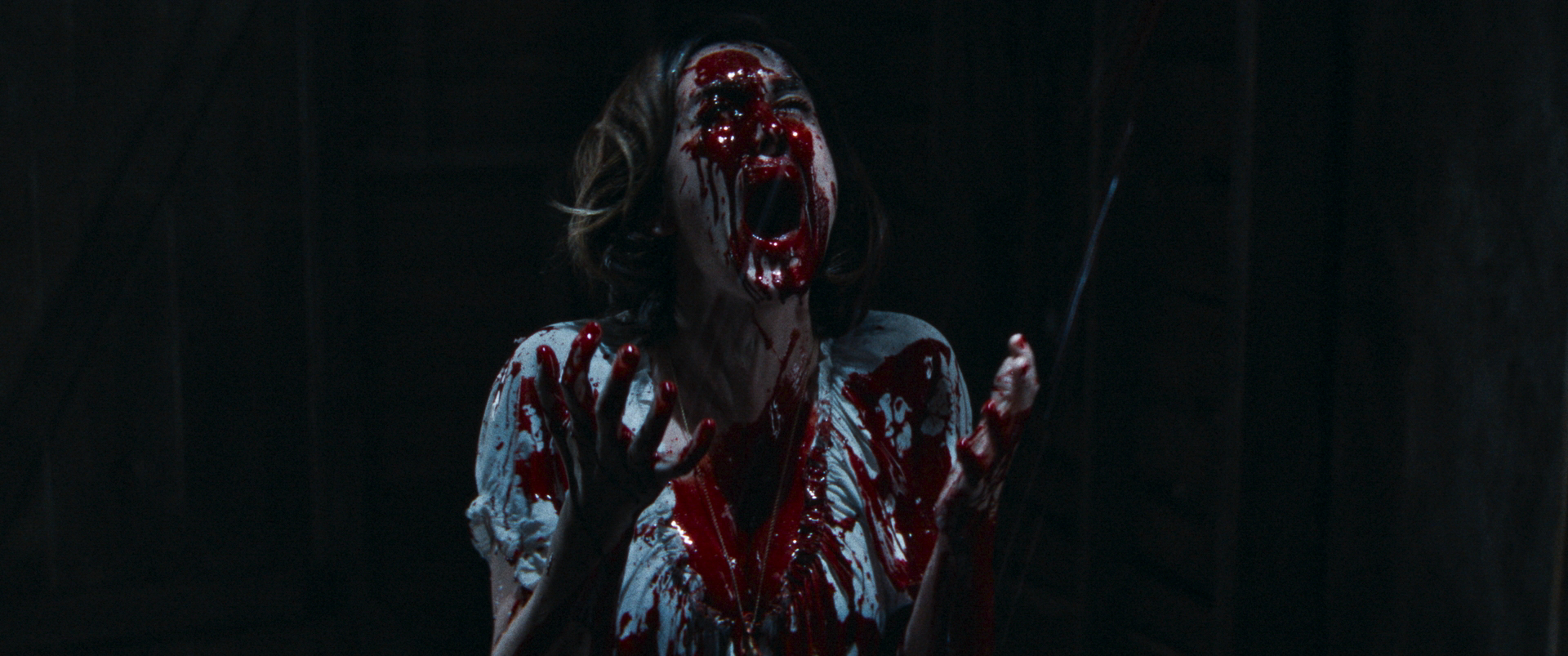
Joel: From what I remember, we only did one take for the opening shot. We had two cameras and made sure it was great [laughs]. Once you splatter the floor, it’s over. We didn’t have time to redo anything.
The two sisters in the film are played by actresses who are sisters in real life. Heather Lind plays the sister in the opening scene, and Christina Bennett Lind plays the other sister throughout the rest of our film, and she was also the editor on this production. There’s a wide shot of the girl who gets splattered with all the blood at the start where we cut back to the Yeti with the spinning record player in front of us, and you see that shot in the trailer. But we shot it on one of the last shooting days with Christina instead of Heather, because we didn’t have the time to get that wide shot on the original day. It was a big luxury to have twin sisters to get that other shot later on. I’m glad we were able to do that.
Cinematography of “The Yeti” by Joel Froome.
Kirill: What would be the most memorable day or sequence on “The Yeti” for you?
Joel: It’s the lead up to the scene where they’re all together in that little hut right before the guy in the mask gets pulled out the window. That was intense. There was so much dialogue and movement that we wanted to portray before we got to that. We wanted to get it right, but we also wanted to get to the pulling out the window, and it was such a relief when we finally got all of it. Now we’re at the window, let’s pull him out, let’s get a Yeti hand through his guts and get some blood and gore. That was so much fun that we were able to do what we needed to do in the lead up and get the right pacing that we wanted. When someone walks in with a massive bag of intestines, you know it’s going to be a fun day on set [laughs]. And then, anything when the Yeti is being fully shown was cool to see, because it was such an incredible costume that they built.
Kirill: Do you want people to watch this on the biggest screen possible in the movie theaters?
Joel: “The Yeti” would be great to see on the big screen. A lot of people associate the movie theater with big event films like “The Avengers” – as they should be. But the big screen is there for other films, to have the big scope and to make sure that the darkness is right. If you’re watching this movie in the middle of the day on your TV in the living room, you’re seeing a lot of reflections. You’re not going to get the full experience of what we tried to do with this movie – to make it this fun throwback creature feature. The movie theater is the best place to go see it, just as people used to do back in the day – going with your friends and seeing these wild and exciting horror movies in the theater.
Cinematography of “The Yeti” by Joel Froome.
Kirill: Do you believe Yeti, Bigfoot or the Loch Ness monster exist? Nowadays everybody has high resolution phone cameras in our pockets, but we’re not getting great photos of all these mythical creatures that are supposedly living right next to us.
Joel: Mitch Hedberg is one of my favorite comedians, and he has a joke that the reason we can’t get better images is that Bigfoot is blurry [laughs].
The belief in the mysterious and the wonderful is exciting. I’ve done one horror film and one thriller film in Nepal before, and the director of that horror film always said that he wanted to do a Yeti film one day. The Yeti is a huge part of Himalayan culture and mythology, so why not? It’s the fabulous and the fantastic. How exciting is it to think of the Loch Ness monster, this massive creature that is just hiding out there. It’s not causing any issues for anybody like Godzilla. There’s a lot on this Earth that is unexplored, so why not?
Kirill: Is there anything like this in Australia? Are there any big local creatures roaming around?
Joel: Kind of, and I might get in trouble for spoiling it. Australia has a national joke that we play on pretty much anyone that comes to Australia, and I’m going to let you in on it.
We’ve got these things called drop bears. They’re rabid koalas. They have rabies, they’re foaming at the mouth, they are up in the trees, and they fall out of the trees, and they’ll scratch you and gnaw you. You’ve got to be careful of drop bears in Australia.
When my wife first came to Australia, we were walking through the bush one day with my best friend, and he said “watch out, it’s a drop bear egg” even though koalas are marsupials, and he went on this whole story about drop bears. It made quite an impression on my wife, and it took years until she realized that it’s one big in-joke that Australians are always going to tell you. I can’t believe there hasn’t been a drop bear film yet. There really needs to be a drop bear film in Australia. It’s so ridiculous and funny. Definitely not the size of a Yeti, but still as vicious in our stories.
Cinematography of “The Yeti” by Joel Froome.
Kirill: Where do you find yourself today on generative AI?
Joel: It’s such a wild time with AI. It can be a tool that can be used to stoke creativity, but I’d hate to rely on it solely to come up with an idea for a movie. One time I was doing a film, and I was talking with the director about the tone of the film, the artwork and the mythology in it. So we put all these keywords in to see what it comes up with, and that was mildly interesting in its choices. We didn’t use any of it in our work. It was more of an exercise in seeing the cumulative look of this thing we were thinking of.
If it can help spark creativity, that’s OK. But when people want to use AI to replace the actors or make a full commercial at the click of a button, that is taking away the essence of filmmaking. It’s taking away the creativity and the collaborative nature of it, and that is a shame.
I think back to when 3D was supposed to be this big new thing and the future of everything. And now it’s a tool that is used on certain things, but it’s not for everything. I hope that we’ll still rely on artists creating original art.
Kirill: What are the key ingredients for longevity in this field?
Joel: The film industry at the moment is such a rollercoaster of emotions, of finances, and of personal time. You have to surround yourself with people that are supportive. I had a friend once that was just starting out in the industry, and his girlfriend at the time told him to get a real job. I told him that if this is your passion, this relationship is never going to last. You have to surround yourself with people that believe in you and understand why you do what you do.
It’s important to separate yourself from the business, and that can be hard to do. When you don’t get a certain job, it’s hard to not feel personally about it. It’s the same with the actors – sometimes a different performance is the right one for that role. If you can separate the business side from the personal side, it’ll ease your mental health quite a bit. You can’t base your whole existence on whether you’re working or not, because that’ll never be healthy.
Be a good person. Be friendly, be helpful, mentor when possible, answer questions when possible. There’s a lot of cinematographers out there that are worried that somebody will take their job. But there’s so much content being made now, even though the film industry is up and down. They will hire the right person for the job, maybe it’s going to be you, and maybe it’s going to be someone else. Have a good attitude, because the days are long and people can be away from their family for a very long time. I don’t like working with tense and stressed people. If I’m going to be away from my family for a month, I want my camera assistant to be not only technically gifted, but also just a fun good person to be around.
Kirill: If you had a time machine to jump back in time, what piece of advice would you give to your younger self?
Joel: It’s hard to know where you would land in the industry if you did something completely different. A young cinematographer that is starting out would watch all the films of the day, and that would of course include the study of Roger Deakins’ work. How do I make this look like Roger Deakins would do it? What would Deakins do? That’s great, and he’s such an amazingly giving person with his website and sharing his knowledge. It’s great to want to do it how Deakins would do it.
But if I could have a time machine and talk to my younger self, I would say that the earlier that you find your voice and find what interests you as a cinematographer, the better you would become. It’s not about what Roger Deakins would do. A lot of people try to learn by copying others, but you’ll learn much quicker if you do things because you like them. Try to find your own voice and learn by making your own mistakes, instead of trying to make it look like someone else’s work.
Cinematography of “The Yeti” by Joel Froome.
Kirill: Out of all the travel for work so far, what would be your favorite cuisine or dish?
Joel: I am not going to say Nepal, because as much as I loved dal bhat, I didn’t love eating the same meal three times a day for 30 days straight.
I did a film called “A Chance Encounter” that we shot in Sicily. It was a magical experience with a tiny crew, only seven or eight of us. We were in Sicily for a few weeks staying in this big villa, and one night this old Sicilian nonna came in and made us a feast. You think you’ve had lasagna before, and then this 80-year old woman comes in and cooks you this thing. I can’t even describe how good it was.
Kirill: Is it a blessing or a curse to be the dedicated photographer of the friend group every time they want to take a photo?
Joel: Sometimes. People can be quite judgmental when you’re going to take the photo of their friends. They’ll comment on the framing way more than a director would in a movie [laughs]. They want it all perfect, while you can’t control any of the lighting or exposure. It can definitely be a curse.
Kirill: What are your favorite productions of all time, not necessarily from the cinematography perspective? What do you come back to? What shaped you? What would you suggest for young filmmakers to draw inspiration from?
Joel: My favorite film is also one of my biggest inspirations in cinematography is “Seven”. The lighting, the tone and the textures that Darius Khondji got on that film was incredible. I was lucky enough to meet him when I was shooting a film once, and we got to discuss the look of the film. It was wonderful to chat with him. “Seven” has the best ending ever. I was way too young when I first saw it, and I don’t think my mom realized what she was doing when she rented it from the video store.
The other one might not necessarily be my favorite film, but its cinematography is as close to perfection as anyone’s gotten. It’s “Road to Perdition” which was Conrad Hall’s last film before he died. We watched it in film school and have studied it. It’s an absolute masterpiece in screen direction, screen language, lighting, framing, tone and so many other things. Conrad Hall shot so many brilliant films, and it’s a bittersweet thing that he left us with this piece of work. Every young cinematographer should watch “Road to Perdition”.
And for one more I’d go for “Nacho Libre” with Jack Black. I first saw it when I was backpacking in Canada with some friends, and it was ridiculous and fun. But then I was in Mexico City and I went to a lucha libre match, and there was a little person in a gorilla suit, and that was real life [laughs].
Joel Froome on the sets of “The Yeti”.
And here I want to thank Joel Froome for taking the time to talk with me about the art and craft of cinematography. I also want to thank Jordan von Netzer for making this interview happen. “The Yeti” is playing in theaters now. Finally, if you want to know more about how films and TV shows are made, click here for additional in-depth interviews in this series.
