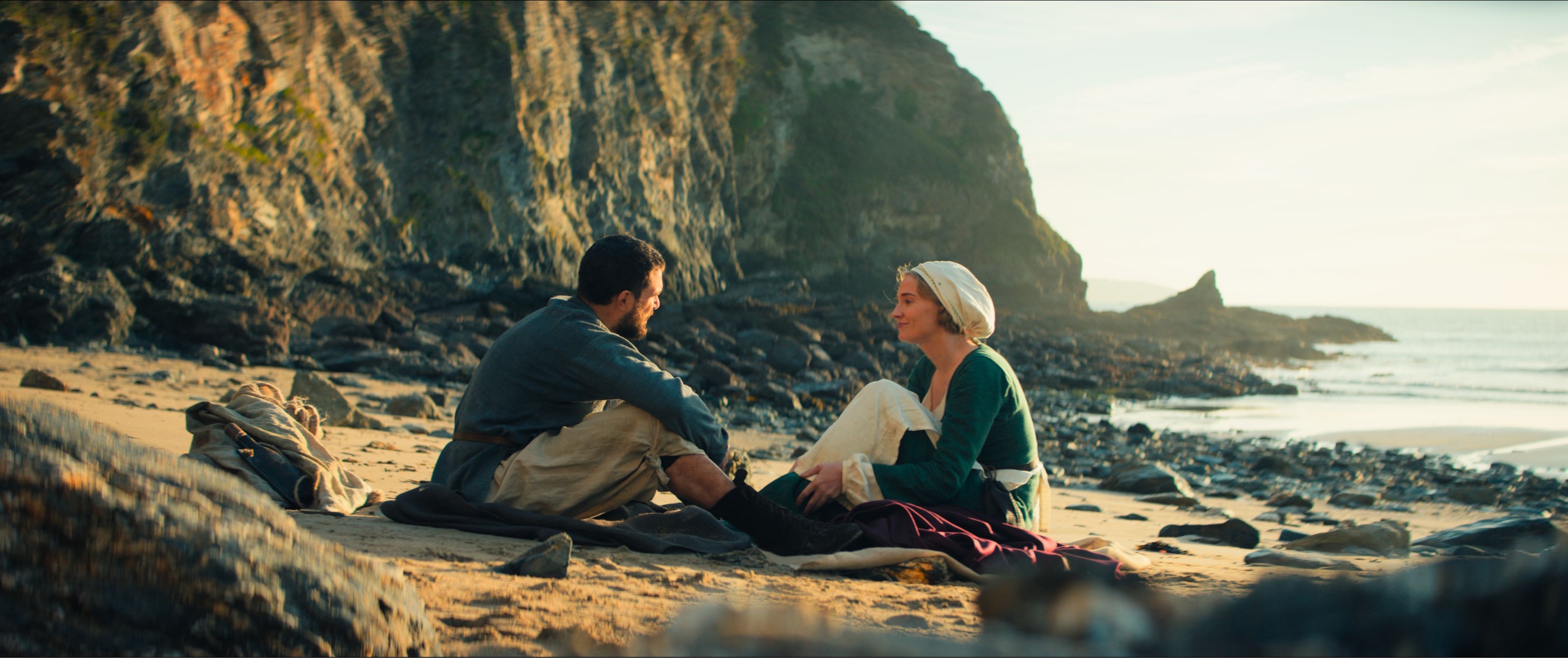
 Cinematography of "The Dreadful" by Julia Swain, courtesy of Lionsgate
Cinematography of “The Dreadful” – interview with Julia Swain
Continuing the ongoing series of interviews with creative artists working on various aspects of movie and episodic productions, it is my pleasure to welcome Julia Swain. In this interview, she talks about the role of the cinematographer, the evolution of tools at her disposal, making plans and reacting to changes, and her thoughts on generative AI. Between all these and more, Julia takes a deep dive into her work on the recently released “The Dreadful”.
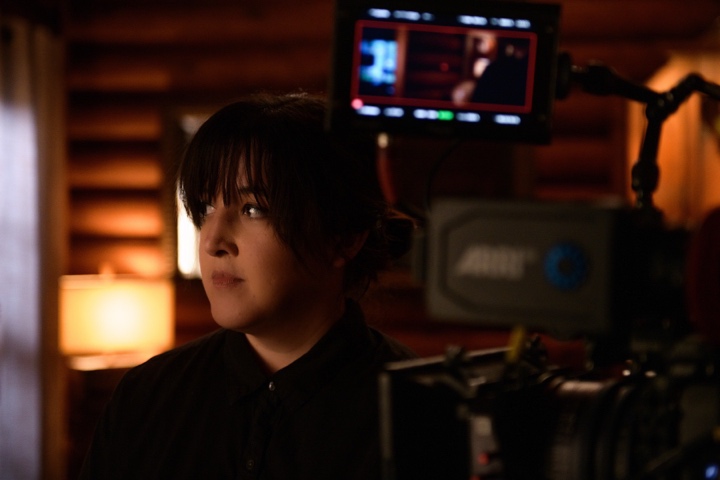
Kirill: Please tell us about yourself and the path that took you to where you are today.
Julia: I’m a director of photography, and have never wanted to do anything else. There was definitely some exploration of different roles in filmmaking as I was discovering it. I am the daughter of two cinephiles who were constantly sharing their love of films with me so I was curious about it from childhood. My first job as a teenager was in a movie theater. I never strayed from this. I thought about editing and directing, but it was in the practice of making films in school when I was really young that I figured out that cinematography was the best fit for me.
I grew up in Southern California and I knew that Los Angeles made the most sense for a move, being such a hub for filmmakers and the industry. I did an MFA in cinematography at UCLA, and we shot non-stop. We weren’t writing papers. We weren’t studying theory. We just lived on soundstages.
After film school, I shot anything I could. I didn’t come up through crewing but that also meant I couldn’t curate the work I took too much because I had to survive. But after a little while, features started materializing, commercials took off. It’s been a really exciting journey.
Kirill: Is LA still the place to be? Is LA still the place to start one’s career in this field?
Julia: I do think Los Angeles is a valuable place to start with all the resources it has to offer but it’s not THE place to start. Production is really abundant in a lot of places all over the world. There are a lot of great hubs around the world where you can get started, full of great filmmakers. Everyone’s path is different. Everyone comes from a different place. Nowadays I’m barely in LA anyway. I am constantly flying elsewhere to shoot. But Los Angeles is getting busy again and there are some of the best crews and resources, along with the best theaters, galleries, events. You can stay so extremely busy even when not on set consuming cinema, learning, meeting great filmmakers.
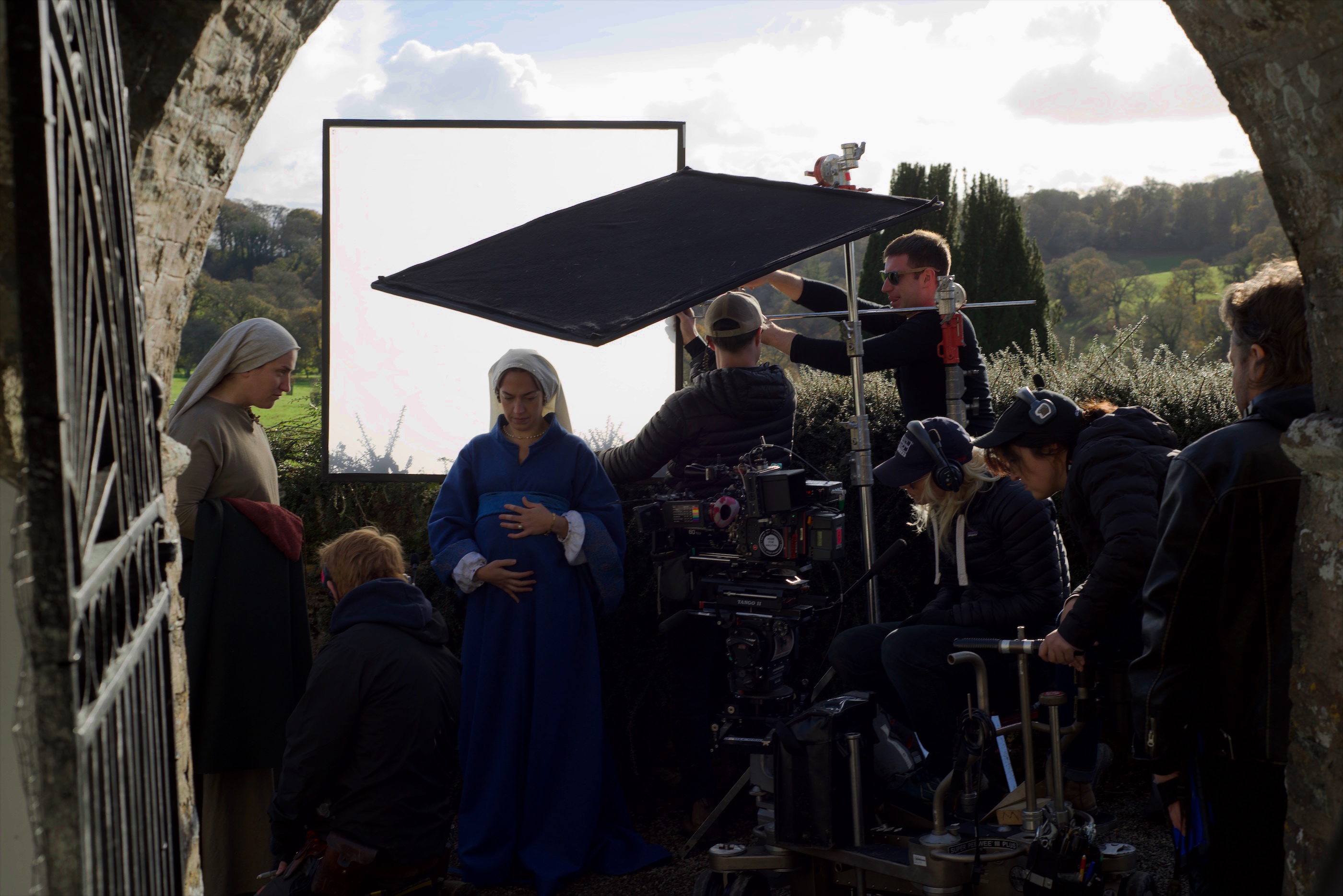
Behind the scenes of “The Dreadful”, courtesy of Lionsgate
Kirill: What do you feel are the misconceptions or misunderstandings about the role of cinematographer and what cinematography is inside the industry?
Julia: One misconception is that it’s this pure focus on camera and lighting. The visual language is the fun part. In fact, it’s the easy part. Maybe this isn’t a misconception more than it is something people often forget.
The job is leading the set with the assistant director, leading and working alongside your crew. There are politics, working with your budget, the schedule. You have to know how to structure a shooting day. You have to be able to look at a shot list and know if you can make your day. You have to know how to reorganize or plan differently should a day fall behind for some reason. You have to be a great communicator and a fast, creative problem solver.
Kirill: Digital looks to continue to dominate your field. Is film a thing of the past?
Julia: I don’t think film is the past. Look at the Oscar nominations this year – a lot of amazing films continue to be shot on film. I definitely believe that we feel that impact.
I love shooting on film. I went to UCLA right as they were transitioning away from it, so all of us were shooting on digital, and all our thesis films had to be digital for the first time. But they were adamant we don’t just roll and roll, that we maintain the discipline and intention that inherently comes with shooting on film when shooting projects digitally.
Even though we’re lucky to have so many digital options, film continues to be a beloved medium and personally, I’m never disappointed when I get dailies back. It’s never not magical.
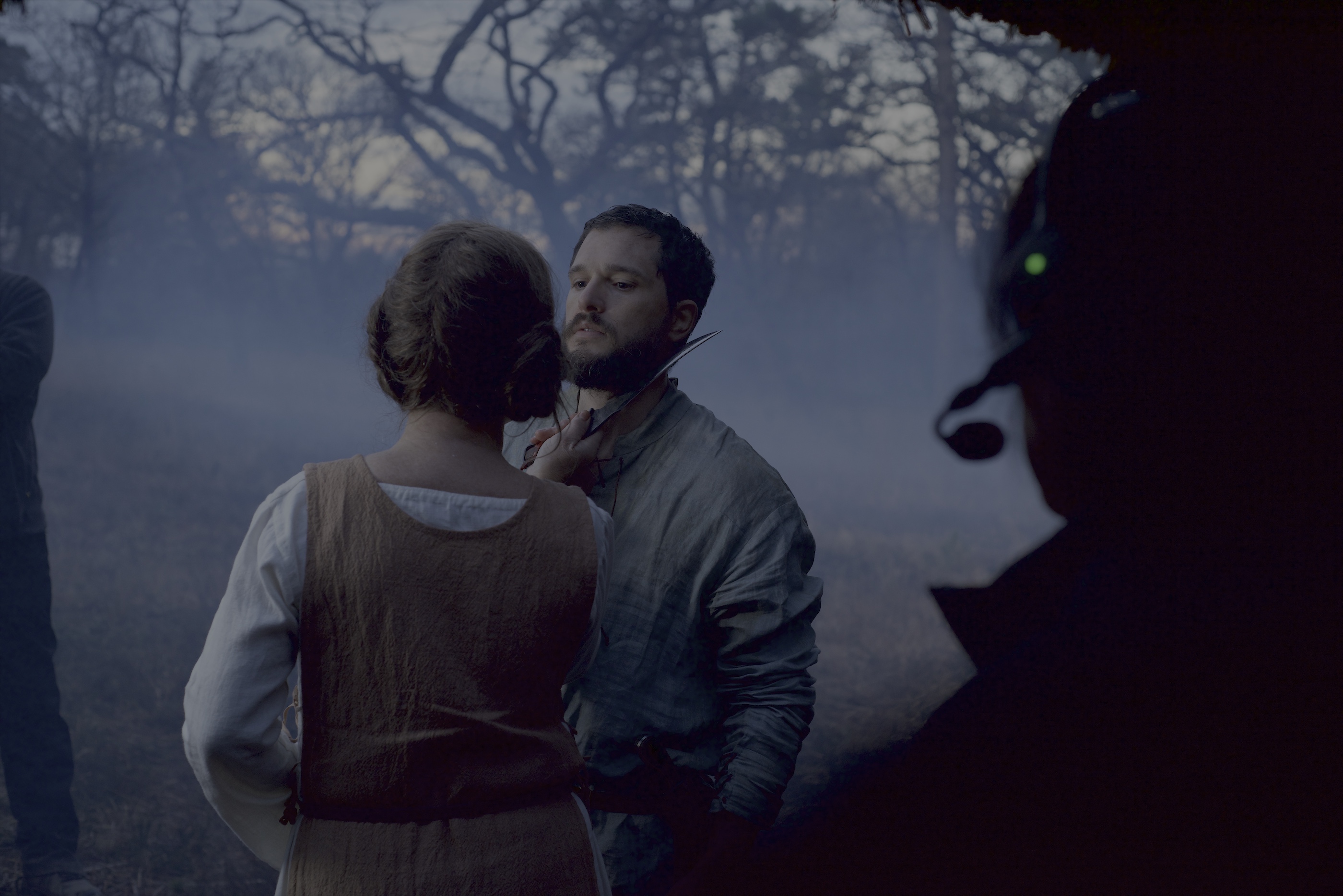
Behind the scenes of “The Dreadful”, courtesy of Lionsgate
Kirill: The professional cameras are way cheaper than they used to be, and everybody has a smart phone in their pocket that can take good images. There was an idea floating around a few years ago that all of this combined would dramatically lower the barrier to entry and we’d be flooded with a whole lot more movies. But it feels like it’s still difficult to make a movie and get it to the audiences.
Julia: The whole process of getting a movie made in the first place and distributed is a miracle. Despite more access to good cameras and tools, distribution is a whole business. It’s all marketing. If you don’t have good marketing, your movie doesn’t get seen. There are definitely more movies being made than ever before but so many just get lost.
Kirill: There’s a lot of technical advancements in camera bodies, in lenses, in lighting equipment. Is it exciting? Is it frightening? Is it hard to keep up?
Julia: It’s definitely exciting. The tools are becoming faster, they have more dynamic range, and there are a lot more options available. I don’t try to pressure myself to follow every new thing. There’s so many tools – lenses, formats, lighting units. I’ve had the opportunity to go look at new technologies early on which is really valuable. Definitely not overwhelmed by new things – excited more than anything.
We’re going to shoot one of my next movies on film. We were not sitting and talking about all the new digital options for it. We wanted to do what felt right. We should always be keeping up with new tools as they arrive in our industry but a big part, if not the biggest part, of making a film is choosing what feels right. If it’s right for that project, then go for it.
Cinematography of “The Dreadful” by Julia Swain, courtesy of Lionsgate
Kirill: Are you impressed with the advances in lighting equipment?
Julia: Yes, lighting is always impressing me. It’s definitely moving fast. My gaffers are how I’m introduced to new tools in lighting. It’s all allowing us to move faster, make quicker adjustments.
Kirill: How was Covid for you professionally? Is it fully over, or do you still see some remnants of it?
Julia: Covid stole a lot of momentum from a lot of people. It slowed things down for all of us. I felt pretty fortunate as I was doing a lot of music videos at the time and those kept getting produced. Crew sizes got smaller and sometimes my director would be on Zoom, but projects were still getting shot.
I’m sure there’s still that lingering thought of how it could have been if we had had that solid year without a pandemic and were all working. Would we be a little further along in our careers with more work under our belts?
Cinematography of “The Dreadful” by Julia Swain, courtesy of Lionsgate
Kirill: Getting to “The Dreadful”, how did you find your way to it, or how did it find its way to you?
Julia: It came from my friendship and creative collaboration with my friend Natasha Kermani, the director of the film. I was approached about it pretty early on as she’d written it a few years ago. I don’t remember exactly when I got a script, but it was at least a couple years before cast was attached because another script she had, “Abraham’s Boys”, was also floating around. We ended up shooting that first and then went off to make “The Dreadful”.
Kirill: How do you find the balance between the historical accuracy and the emotional authenticity for a story like this? What discussions did you have on the visual style, the atmosphere, the colors?
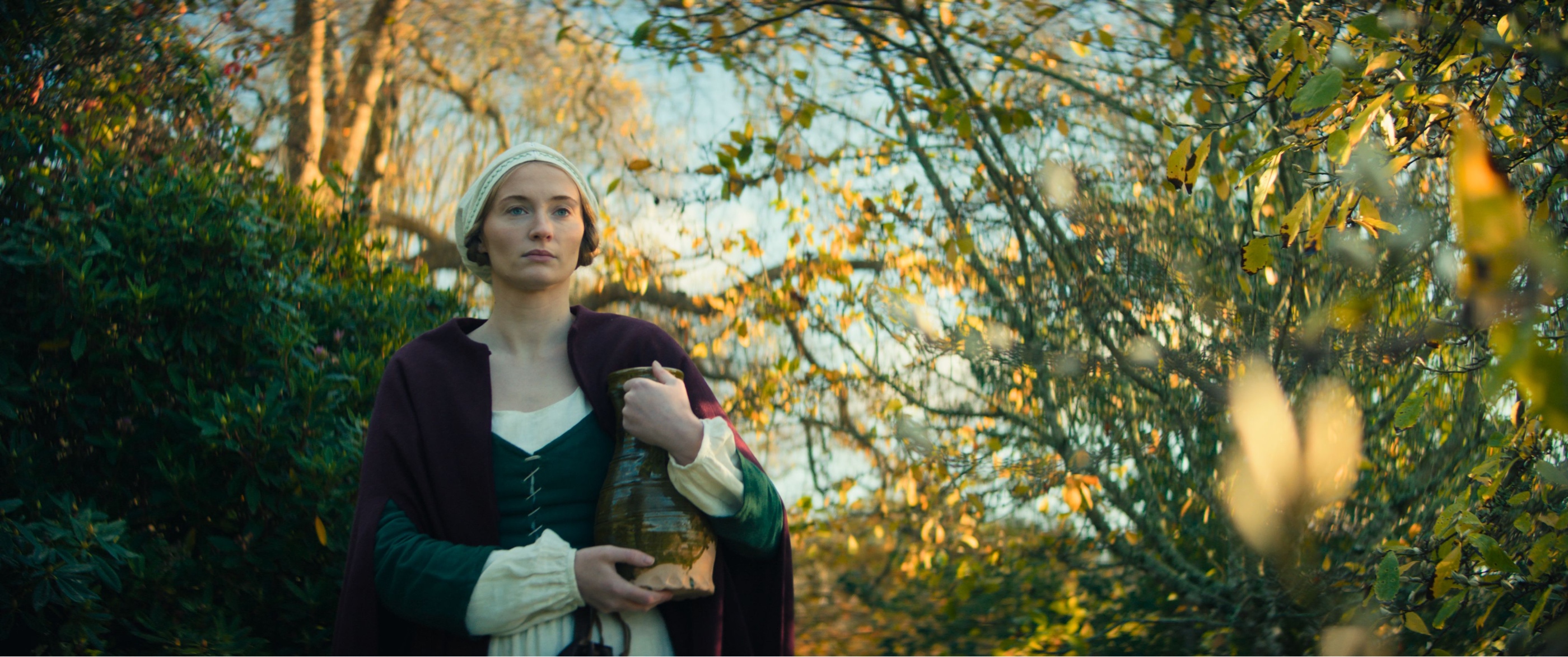
Julia: We definitely wanted something that felt rooted in realism to some degree so that audiences bought into the lives of these women but because the film has dreamy horror elements, we wanted to push the visuals at times. Color is important to Natasha and I so we knew we wanted to discuss how we implemented it early on. We weren’t interested in a desaturated look. We talked a lot about a green world being the world of Jago’s stories. We talked about bold contrast and color. We also wanted the dreams to feel different so we used these portrait lenses that we’d always been curious about.
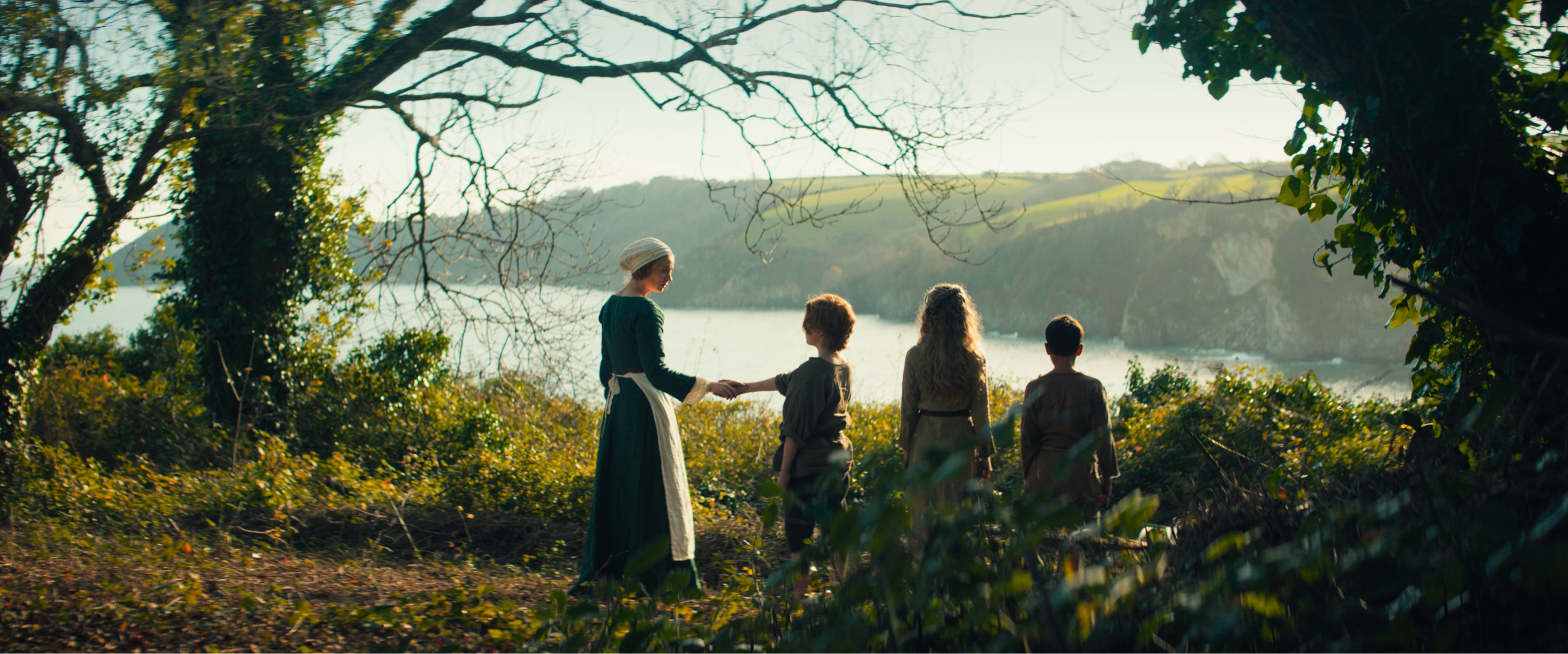
We were shooting in Cornwall, England, and wanted to shoot anamorphic to have a wider field to take in the landscapes. It was important to us to add the scope of the terrain as Cornwall is so atmospheric.
Kirill: Was the weather cooperating?
Julia: Yes and no. We got lucky with the kids on the cliff. It’s supposed to be nostalgic and beautiful, and we had this golden LUT [lookup table] that we built for the childhood scenes. We shot them during the second day of filming, and the weather was cooperating.
Then we lost half a day because it started raining. It was the scene where Jago and Seamus were at their campfire. It was supposed to be at night, and it was pouring and we couldn’t put them in the mud. So we made the call to stop for the day and pivot the schedule.
On the last day of production we had torrential rain shooting the finale where Sophie and Marcia are out in a field. I was sinking in the mud shooting up at Sophie for the very last setup. Throughout production we had cloud inconsistencies which changed the amount of ambient light I had to account for. It was all over the place. Things you can’t protect from on a small budget and just have to roll with! But we did a pretty great job of balancing everything the best we could.
Cinematography of “The Dreadful” by Julia Swain, courtesy of Lionsgate
Kirill: What was your lighting setup? Back then it’s pretty much sunlight and firelight. What did you go with?
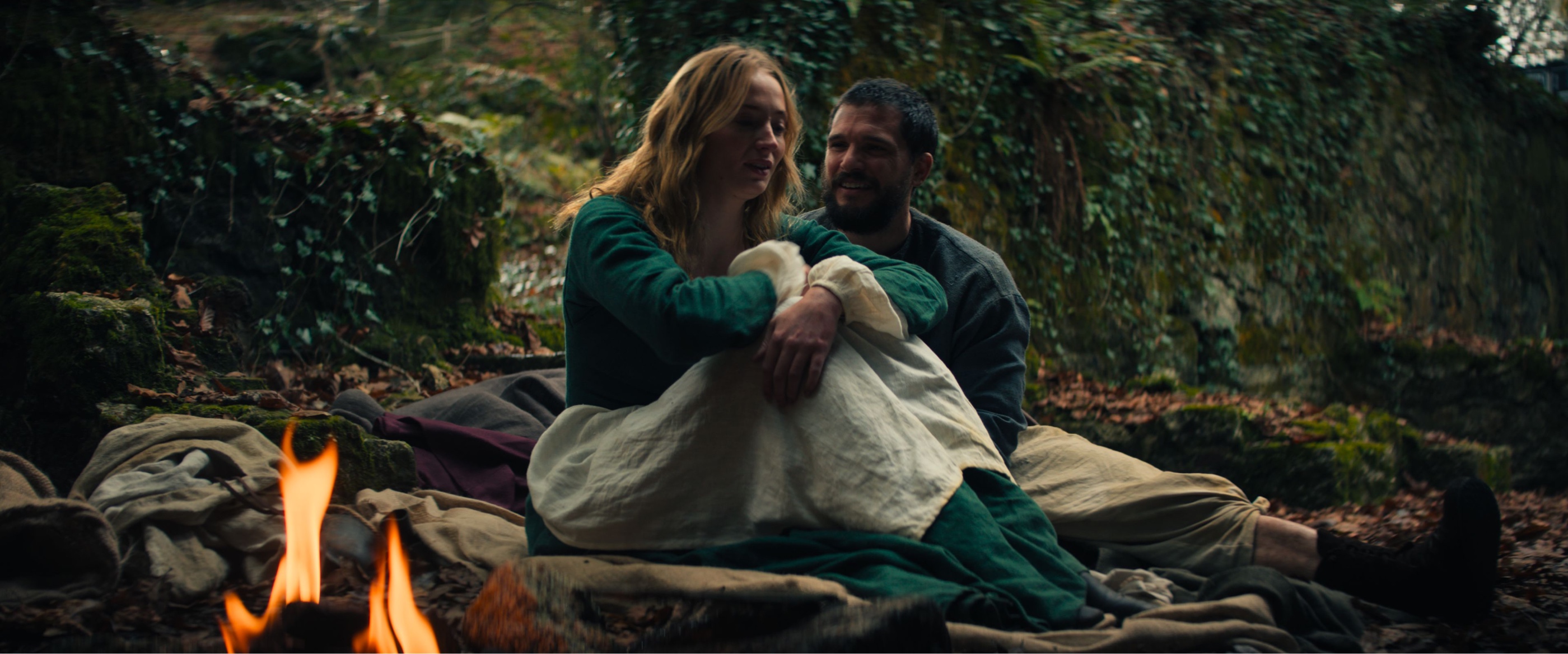
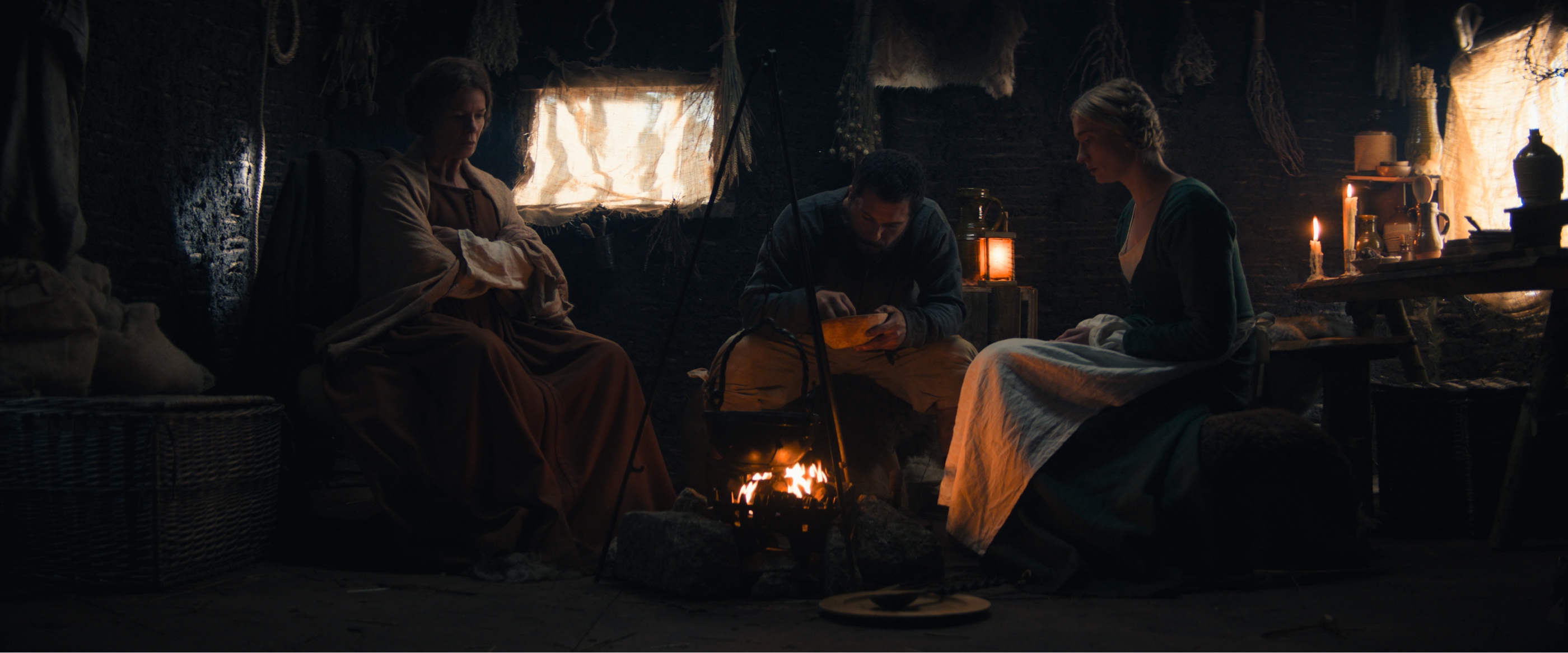
Julia: I don’t think I had done a movie that was that period, definitely not a feature where it was just sunlight and firelight. When in the church, we added candles for warm background elements. There’s light pushing through the windows there and in the hut. The hut has tiny windows to let in the natural light, and we placed a fire pit in a strategic way, and some candles in a few places. I knew I had to add ambience so we had a little soft box rigged on the ceiling. I didn’t want that to push contrast too hard, otherwise they’d be silhouetted against the windows. I was trying to make it feel like there’s a natural amount of ambience, but everything’s coming from the world – fire or the sun.
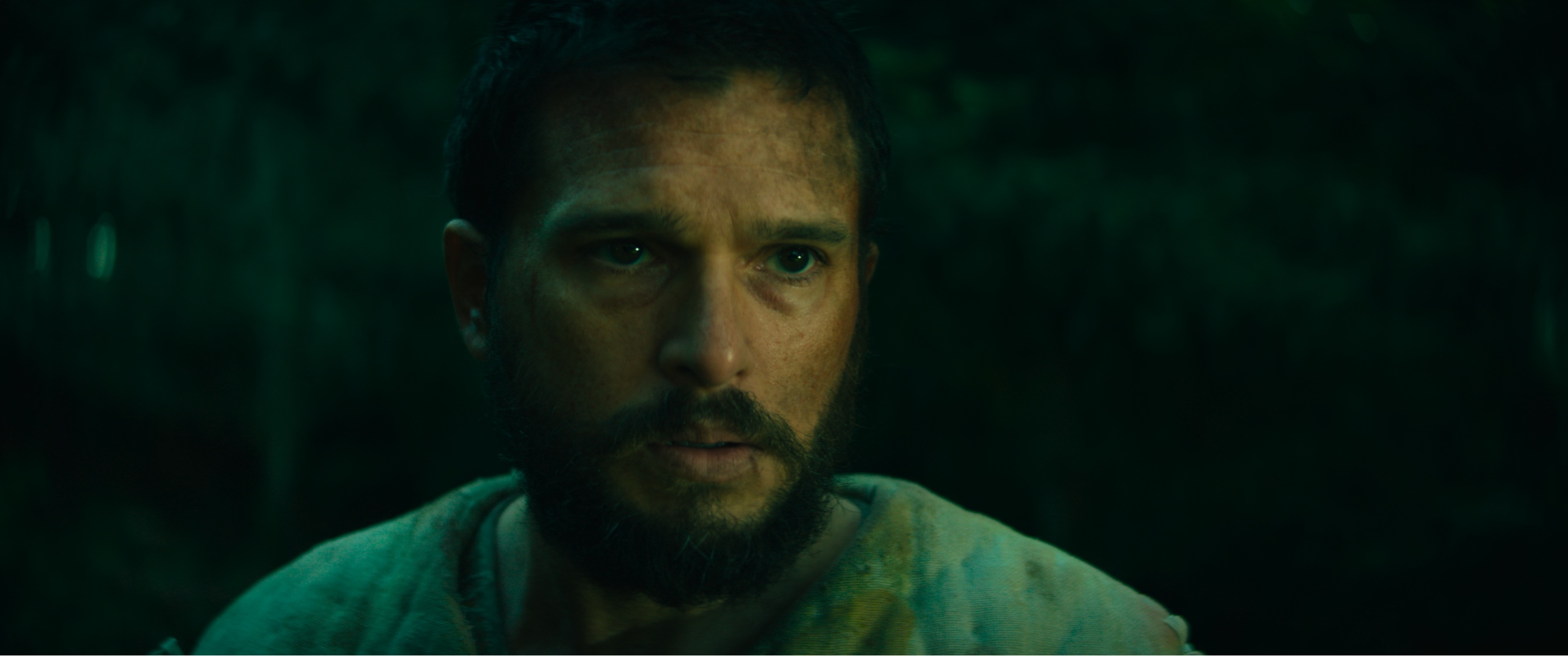
The moonlight for the night sequences was the toughest. We had very little crew on this movie and very little time. We don’t have balloon lights or another quick way to create ambience. So we embraced this more directional, green, stylistic look for the nighttime which was something we hadn’t done before. There’s a great shot in “The Ring” with a green night exterior. We reference some bolder night looks and let go of this obligation to light the entire frame at night.
Kirill: Going back to what you said about shooting on film, perhaps on these smaller productions you almost can’t afford to wait until the dailies are processed. Perhaps it’s this advantage of digital that the director can see it straight away.
Julia: There’s truth in that of course. As the cinematographer, you know what it’s going to look like when shooting film because you know your ratios so closely. There is a bit of instant gratification in digital knowing what you’re looking at for all departments but we’ve been shooting film much longer than we’ve been shooting digital and we haven’t had an issue.
Kirill: Was the hut there, or was it built?
Julia: It was a build on location. We had to make some sacrifices. We didn’t even see it until the morning of shooting it. The dimensions ended up a bit small. It was a build because we wanted to feel the interior and exterior simultaneously. They go in and out, and having that connection between the exterior and the interior was really important. So we built it on this field instead of on a stage.
Kirill: The story spends a lot of time in the hut. How do you make it less repetitive for the viewer?
Julia: In general on an indie I hate recycling setups for different moments and so avoid that. We try to have as much scope and diversity as we can in shots when we have a lot of scenes in one space so early on I weighed in on window placement, furniture placement, knowing how I could smartly shoot every side of the hut and allow for more blocking for the actors.
Kirill: What’s the intent of shooting low angles upwards?
Julia: Low angles can be more subjective. You’re in the character’s mind when you’re a little bit lower. It can also be more heroic which Sophie’s suited character at times. There’s a great shot where she comes out of the hut after bringing Morwen back in at the very end, and it’s heroic, looking up at her against the hut. We did that on purpose. Low angles also make spaces feel bigger and we all know the hut benefited from that purely from the standpoint of wanting to see more. I was always against a wall.
Cinematography of “The Dreadful” by Julia Swain, courtesy of Lionsgate
Kirill: What was the choice of going with soft, swirly edges for some of the shots?
Julia: We shot the main story anamorphically, and then we had the Panavision Portrait lenses that give you a circular distortion where you only can keep focus in the center. It’s a little dreamlike perspective. There’s a dream that Anne has in the beginning that’s fully shot on the Portraits, and then there are other sequences that had to do with tapping into a new perspective. There’s a sequence on the beach with Kit and Sophie, and he’s telling her a story, and they’re connecting, and their relationship is changing. It had to do with a more sort of omniscient – but intimate – POV in those instances. A fun specialty tool that we only use a few times.
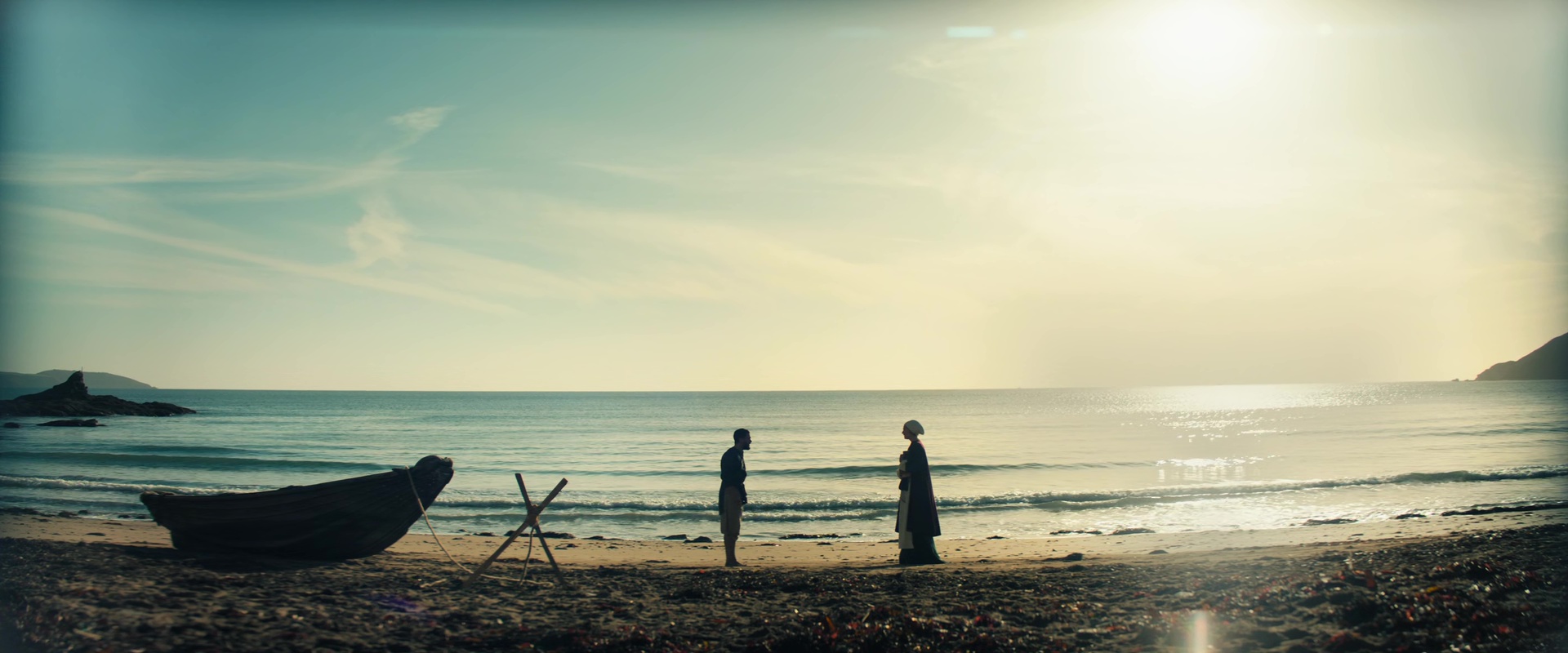
Kirill: Some of my favorite shots were on the beach with characters silhouetted from a long distance. How do you think about the framing for these?
Julia: The first thing I do is I try to back up the camera as far as possible to see the scope. You have to think about the tide on those coves. One of the last scenes in the movie where Jago approaches Anne on the beach, we completely lost the beach over the course of shooting that scene. They were scooting up the sand during that, and that was tough to deal with. But when they’re meeting and silhouetted, I’m up against the cliff. I had to think about time of day to roll, sun position. The coves and beaches were one of the most exciting things to shoot, because that is why we were there in Cornwall. That is a unique part of the south of England. We wanted to capture the curvature and the colors of the coves.
Cinematography of “The Dreadful” by Julia Swain, courtesy of Lionsgate
Kirill: Do you want people to see it on the biggest screen possible?
Julia: Absolutely. I just had a chance to see it on the big screen with an audience and it’s incredible. The score is amazing, the mix is amazing, the color looks amazing. It looked so good projected and I really hope audiences can go and absorb all of those elements. It’s for the cinema for sure.
Kirill: There’s this quote that no plan survives first contact with the enemy. Has there ever been a production that you’ve worked on that everything went to plan and nothing was disrupted?
Julia: No. That’s the name of the game. Things constantly change and everything’s a moving target. You’ll be weeks in and you lose a location. Nothing is real until it’s real. This is why, for a lot of us, the day doesn’t end at wrap. You’re always prepping ahead and pivoting when things change. You become a really great creative problem solver.
I believe a film is still made in prep though in a lot of ways because you are getting on the same page as your director and going in with a deep understanding of what the goal is. So even if the location’s changed and now you have to shoot it in a way that you didn’t initially intend, you know what the priorities are and what to shoot for and fight for. There’s so much value in that. The better your prep is, the better you can adapt together.
Natasha and I always have a smart, doable plan within the confines of our budget and our time and how we want to tell a story. But we are very aware that things are going to change. We’re going to need to cut things, or we’re going to need to shoot a scene differently or shoot it at a different time. We’re able to meet those challenges head on. And because we have prepped together and we know each other so well, we can pivot and not waste time.
Kirill: Is there such a thing as your favorite sequence in this movie?
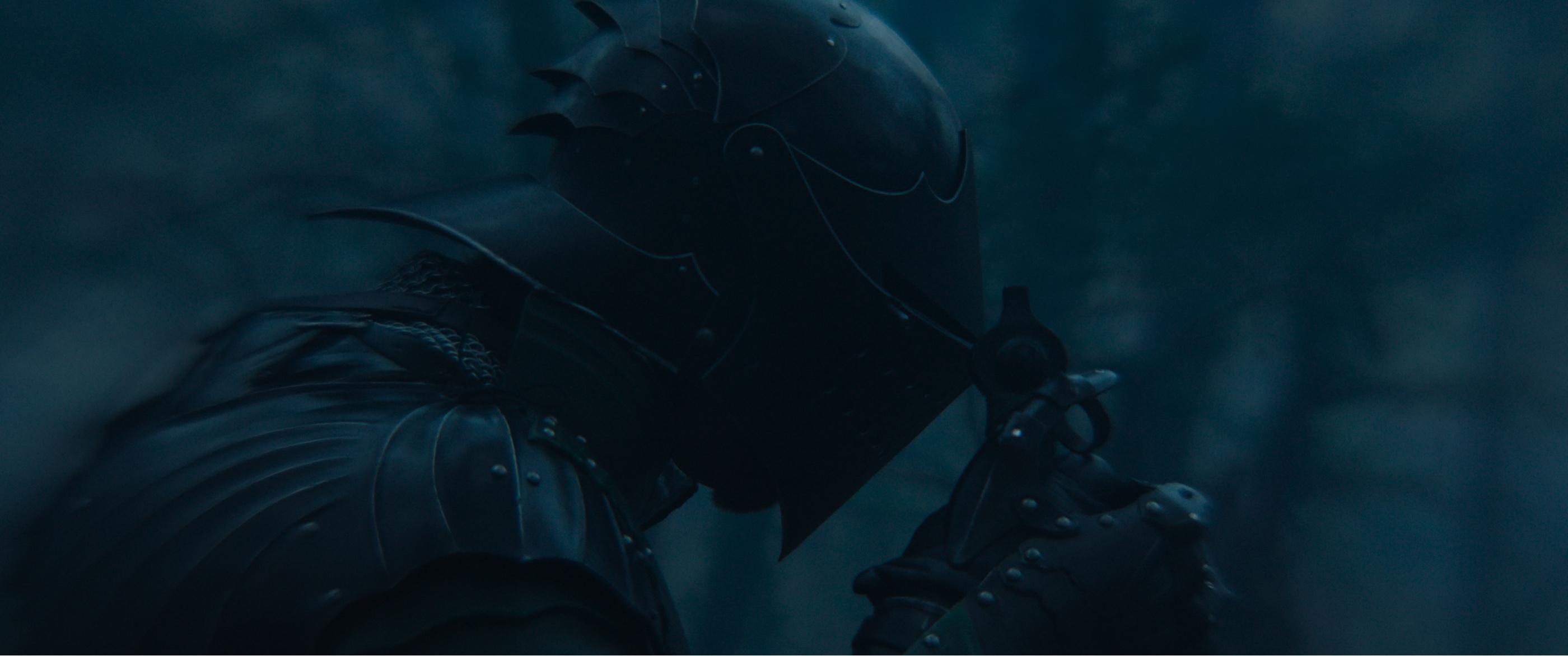
Julia: That’s so hard. There’s a couple, if I may. I loved shooting the church at night with Jago and Anne in the pews. We moved them over to a different set of pews from where Anne and Morwen sit for mass for when Anne is praying and Jago joins her. He’s pressured to tell her the truth so it cuts back and forth from past to present as well as to Morwen who has the helmet now. I really love that whole sequence.
The other one is the only scene where Jago is in their hut and he’s telling the first iteration of his story of what happened to Seamus. He’s between the two women which was a decision Natasha and I had made. There was a moment where we thought we’d put him on an end, but I thought having him in the center was more interesting. His back is a bit to Morwen which says a lot and he’s favoring Anne. Anne’s not even really looking at him as she’s grieving. It’s so good. We moved through that scene quickly and I love how it looks. There’s so much subtext and as a filmmaker you know the truth so that always makes it fun to shoot. The cast gives such amazing performances around the fire.
Cinematography of “The Dreadful” by Julia Swain, courtesy of Lionsgate
Kirill: What are your thoughts today on generative AI? Some people say it’s destroying human creativity, and some see it as just another tool at their disposal. Where do you find yourself thinking about this?
Julia: The stories we’re telling on screen about the human experience have to come from us. All artistic value comes from us and our experiences, our voices. AI is a tool that we’re going to have to limit to some degree that isn’t going away but I know that we will always have actors who want to act in real spaces, photography captured in the hands of real human artists. I don’t think AI has a place in creative storytelling when it comes to the human experience. Will it help us in other ways? Sure. But the voice of an artist and the images and performances they produce must be theirs.
The experience of telling a story through a visual medium is one that is unique, fulfilling and beautiful. You can feel that in every art form – photography, painting, music. There is an inherent, profound language that transcends. AI needs to be regulated, and we need to be aware of it. We need to allow artists to keep making their art and tell their stories from the human experience.
Cinematography of “The Dreadful” by Julia Swain, courtesy of Lionsgate
Kirill: What is the secret, or maybe the key ingredients, to longevity in this industry?
Julia: It’s this inexplicable, profound love for the craft that keeps you persistent – a lot of us haven’t given ourselves any other choice in a career. This is the greatest career of all time – I can’t believe I get to do this for a living. Ultimately it’s your character and your talent that keeps collaborators calling you back. I think if you take pride in your work, in any industry, that passion makes an impact on people and they see how much you want to do this and how you push for the best on every project.
Kirill: What advice would you give to your younger self? What do you know now that you wish you knew back when you were starting in the industry?
Julia: My younger self wasn’t as confident. I’m still a young cinematographer but I have a very strong voice now and know what I’m doing. So maybe I’d tell myself that it’s less about getting all visually perfect in those early stages. You’re finding out what your taste is, the stories you want to help tell. Pick and choose your battles a little more. You learn what to be precious about in the process.
Kirill: In your group of friends, are you the photographer when people want to take pictures? Is this a blessing or a curse in disguise?
Julia: 100%. I don’t mind it – capturing images is what I do, I love it. The camera always gets passed to me when strangers need a photo too.
Kirill: What’s your favorite color, in your productions or in life?
Julia: I love a teal blue in life. I also love green. Green represents so much and you definitely see it in some of my movies. Natasha is also guilty of this hence a lot of green in our work.
Kirill: What movies would you consider to be the golden standard of cinematography of all time?
Julia: It’s hard to say there’s a gold standard because there’s so much great work out there and cinematography is unique in its language for each story. My taste is also not singular. “Alien” is one of my favorite films – gorgeous color, contrast, atmosphere. So well done. The cinematography sets the tone so well with every other element. Then I love something completely different like “Blue Valentine”. But appreciating cinematography and choosing a gold standard is so subjective. So many films do a fantastic job transporting you into their world through cinematography.
Behind the scenes of “The Dreadful”, courtesy of Lionsgate
And here I want to thank Julia Swain for taking the time to talk with me about the art and craft of cinematography. I also want to thank Nathalie Retana for making this interview happen. “The Dreadul” is out now streaming on Apple, YouTube and Amazon. Finally, if you want to know more about how films and TV shows are made, click here for additional in-depth interviews in this series.
