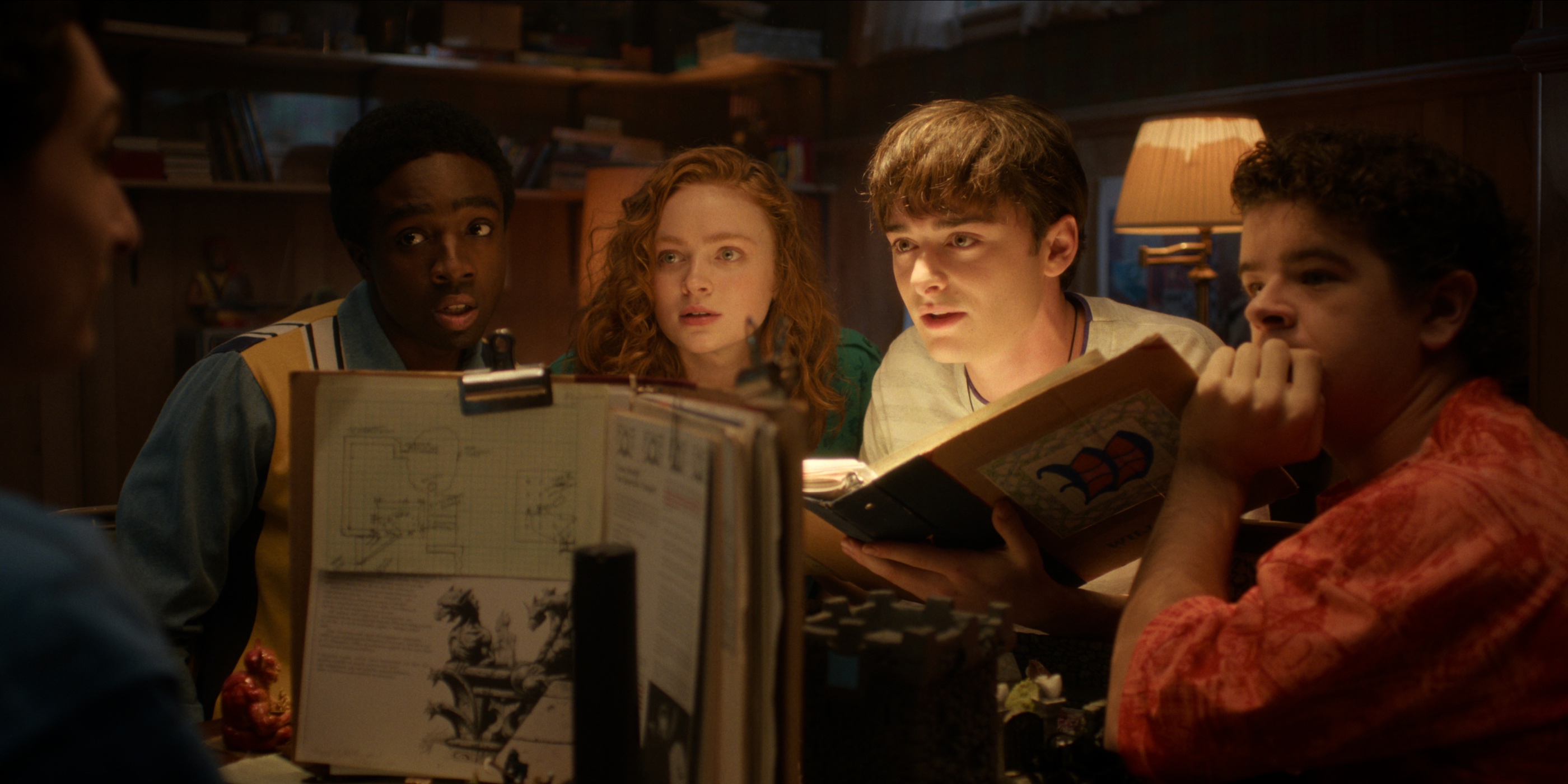
 Set decoration of "Stranger Things" by Jess Royal, courtesy of Netflix
Set decoration of “Stranger Things” – interview with Jess Royal
Continuing the ongoing series of interviews with creative artists working on various aspects of movie and TV productions, it is my pleasure to welcome Jess Royal. In this interview, she talks the role of set decoration and the bigger changes in her department in the last decade, key ingredients to longevity in the industry, and her thoughts on generative AI. Between all these and more, Jess takes a deep dive into her Emmy-nominated work on “Stranger Things”, from its early days to the final season.
 Kirill: Please tell us about yourself and the path that took you to where you are today.
Jess: I’m Jess Royal. I’m a set decorator and I did all five seasons of “Stranger Things”. My background is in law. I went to law school and practiced criminal defense. I had some faith going into it that some people are wrongly accused or overcharged, but in my case, our clients were very much guilty [laughs]. The thought of doing that for the rest of my life was quite daunting, and I felt an urge to do something creative.
I didn’t know what that was going to be right away. I found my way into film based on watching background interviews of production designers and set decorators who did period sets on movies and TV shows. I love history, and that was the best possible merge of both worlds. Fortunately, I met a production designer on an elevator, and I would not let go until I got what I wanted, and here I am now.
Kirill: What are the misconceptions or maybe misunderstandings about your role?
Jess: My mom still calls me a set designer, because that’s what the words make sense in her brain, even though a set designer is more of a draftsman who draws up the plans. Perhaps people draw a connection to interior designers that do a full design. People hear set decoration, and think about curtains or sofas or the frilly little details at the end.
The best thing about my job is doing junkyards and huge equipment. It’s doing a landscape that I can build from scratch – exteriors and interiors. It can be drapery, but it’s also every stack of newspaper or a collection of tchotchkes. You can build a backstory of where someone’s been in their life, what they’ve collected, what’s important to them.
I feel like “decoration” is the wrong word. It’s designing a whole world and a whole backstory for a character or a town, using objects, exterior and interior.
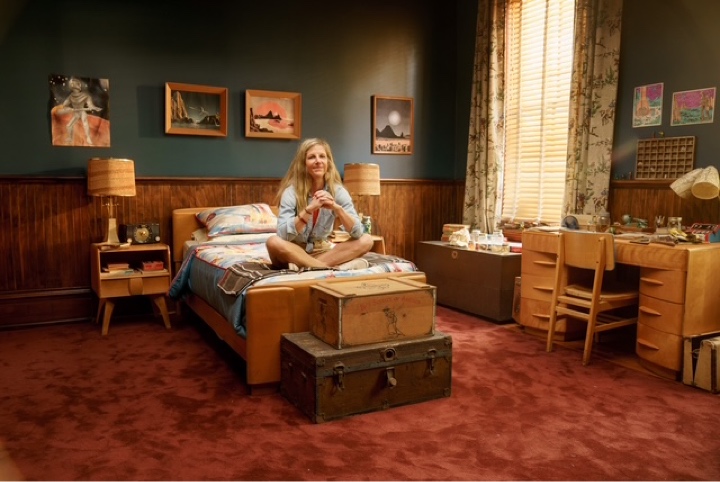
Jess Royal on the sets of “Stranger Things”.
Kirill: What would be the bigger change that happened in your part of the world, comparing today vs when you were starting out?
Jess: Before, we didn’t have the option to fix things in post with VFX. You had to think about everything – something like covering a transformer on a telephone pole half a mile down the road that someone would see that’s not period. Now we make a note for VFX. Sometimes it’s handy, but I also miss thinking about everything in 360. On “Stranger Things” we started with Schindler boxes to do playback on older TVs to prevent flicker on camera, and now everyone is using green screens to put it in post. It’s mostly about technology and VFX.
Kirill: Getting to “Stranger Things”, how did it start for you, and what stood out in those early days?
Jess: I worked with the production designer Chris Trujillo for a few years before the show on smaller indie movies, and we kept saying that one day we’re going to get a show or a movie that everyone’s going to watch, and we’ll really have made it in the world.
I was in Los Angeles on a vacation, about to get on a plane, and he texted that he was sending a script with a good potential for me to read and to see what I think. Originally it was called “Montauk” and that’s where we were supposed to shoot it. I read the script on the plane, and I thought that it could be so amazing. One thing led to another, and we were scouting in Wilmington for Montauk, and eventually they said that maybe we can look in Atlanta and change the setting of the show. No matter what though, I felt that it had great potential.
It felt very small at the beginning. Netflix was hesitant to give us money to do everything we wanted to do, but then it came out, and it was amazing. It felt that our lives changed, as everyone watched it within 48 hours. It was cool to grow up in those early months of the first season or two.
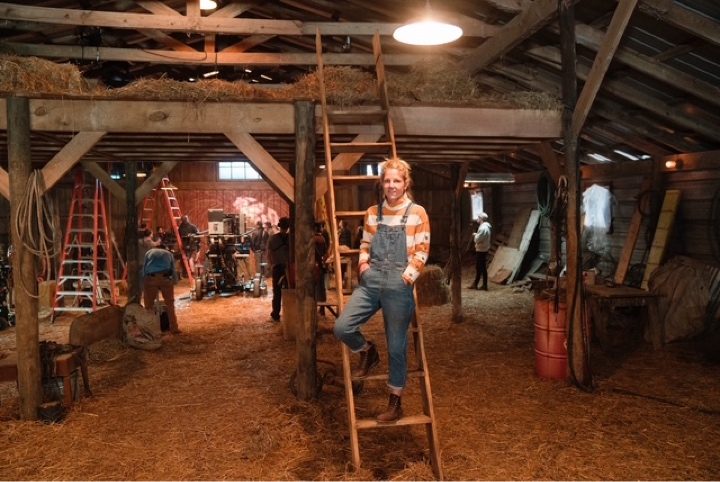
Jess Royal on the sets of “Stranger Things”.
Kirill: Was it that immediate for you after the first season dropped?
Jess: The release premiere in LA was somewhere outside of West Hollywood. I remember we were sitting on folding chairs, and how small it still felt. But it caught on so fast. I went straight from LA to a wedding in Massachusetts, and by the time I got to Massachusetts a day or two later, my brother had watched it, my mom had watched it, people at the wedding had watched it. Everyone was talking about it, or at least the people I was surrounded with, whether they were watching it for my sake or not. It felt like it was blowing up right away.
I’d already started scouting for “Ozark” at that time. My original film job was the location scout and then I became a decorator, so on some of those earlier shows I would scout and then I’d start prepping decorating. “Ozark” was fun to scout for and I was excited about doing it, and then at some point a few weeks in “Stranger Things” was immediately picked up for season two. So I had to leave “Ozark” a little bit early. I was bummed about that, but I think I made the right choice to stick with “Stranger Things” and what we had built. Merchandise and various experiences came later, but everyone hearing about the show was pretty immediate.
Kirill: Looking back at these 10 years and the entire story arc, why did people connect so much with this show?
Jess: It’s a multi-generational show. One of my best friends is about the age of Jonathan in the show, and he was a photographer in high school and later went to college at Pratt for photography. People his age identify with all the music of the era. They were kids in high school right at that same time. He immediately loved it, and I ended up using his photography as Jonathan’s background photography in the dark room and bedroom.
People his age who now have kids who are around the younger kids’ age in the show can watch it together as family. It transcends generations. It also lends itself well to having a pop culture – the music, the D&D aspect for all the nerds out there who love it. This game has been going strong since the ’80s, and there’s so many generations that can enjoy that aspect. You cheer for these kids and it doesn’t matter how old you are. You want to see them beat the dark forces and stay friends. Watching them grow up has been a delightful thing for a lot of people who have grown up with these kids as the show has gone on.
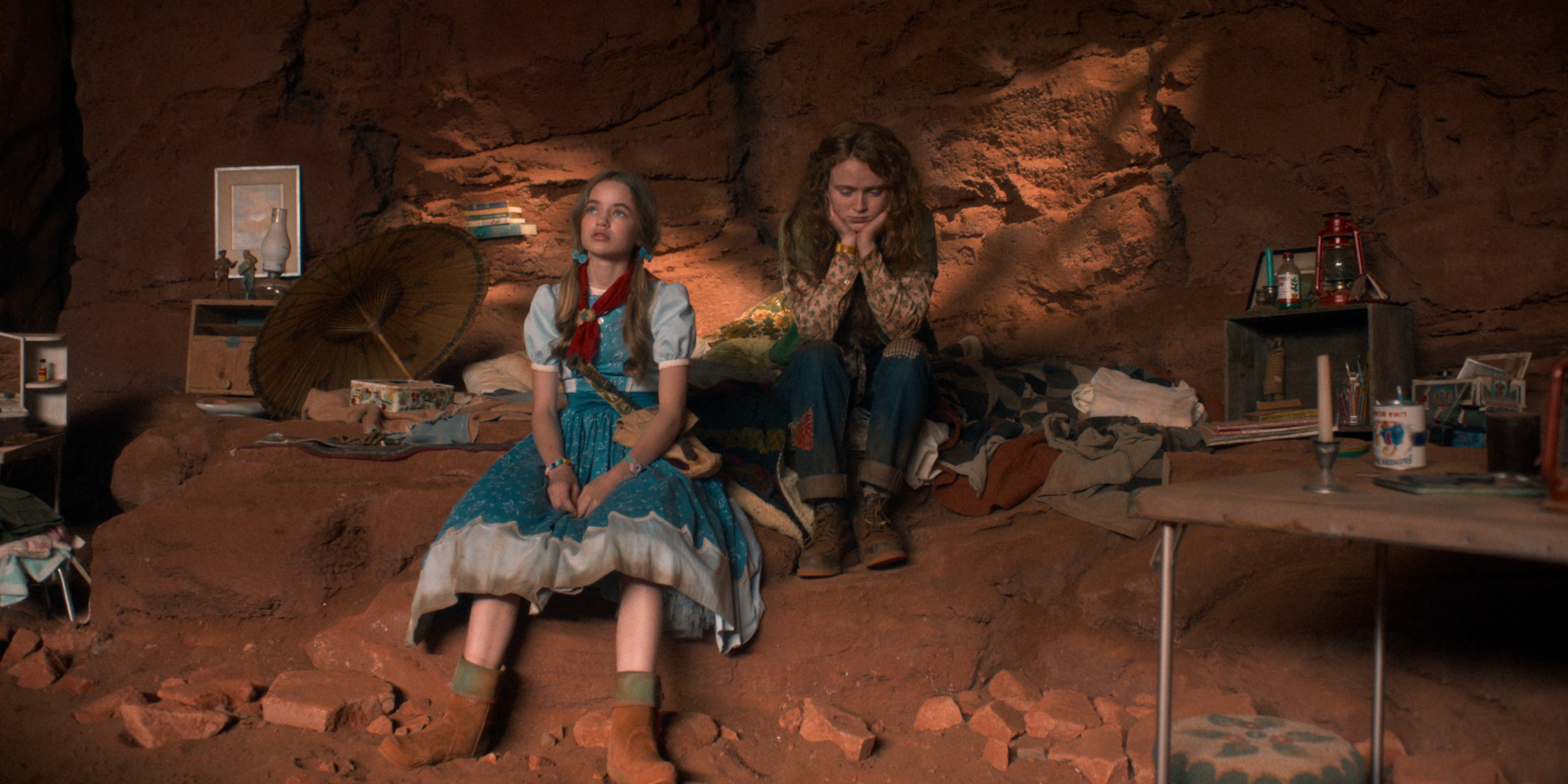
Set decoration of “Stranger Things” by Jess Royal, courtesy of Netflix.
Kirill: Looking at all the seasons, as it kept on expanding to the mall and the Russian subterranean base, and going to Lithuania for the Russian prison, and so much in the Upside Down – how was it to see the increased scope of your work, and how did you approach it?
Jess: It’s not just “Stranger Things”, but also film in general. There’s been a little bit of a turn in the industry, and we felt it on season five. Studios are pulling back a little bit as far as some of the money they’d spent on productions.
I would have told you that there’s no way that we could do season three for less money or with less people than we have now. But as that constrained slowly, we did season five with a little bit less resources, at least for our department. You grow with what you have. You are challenged, and you know how to do that the next time. It comes with experience. I don’t know if I could have gotten that much experience out of 10 years of doing anything else. “Stranger Things” kept on ramping up every season, and the expectations got higher and higher.
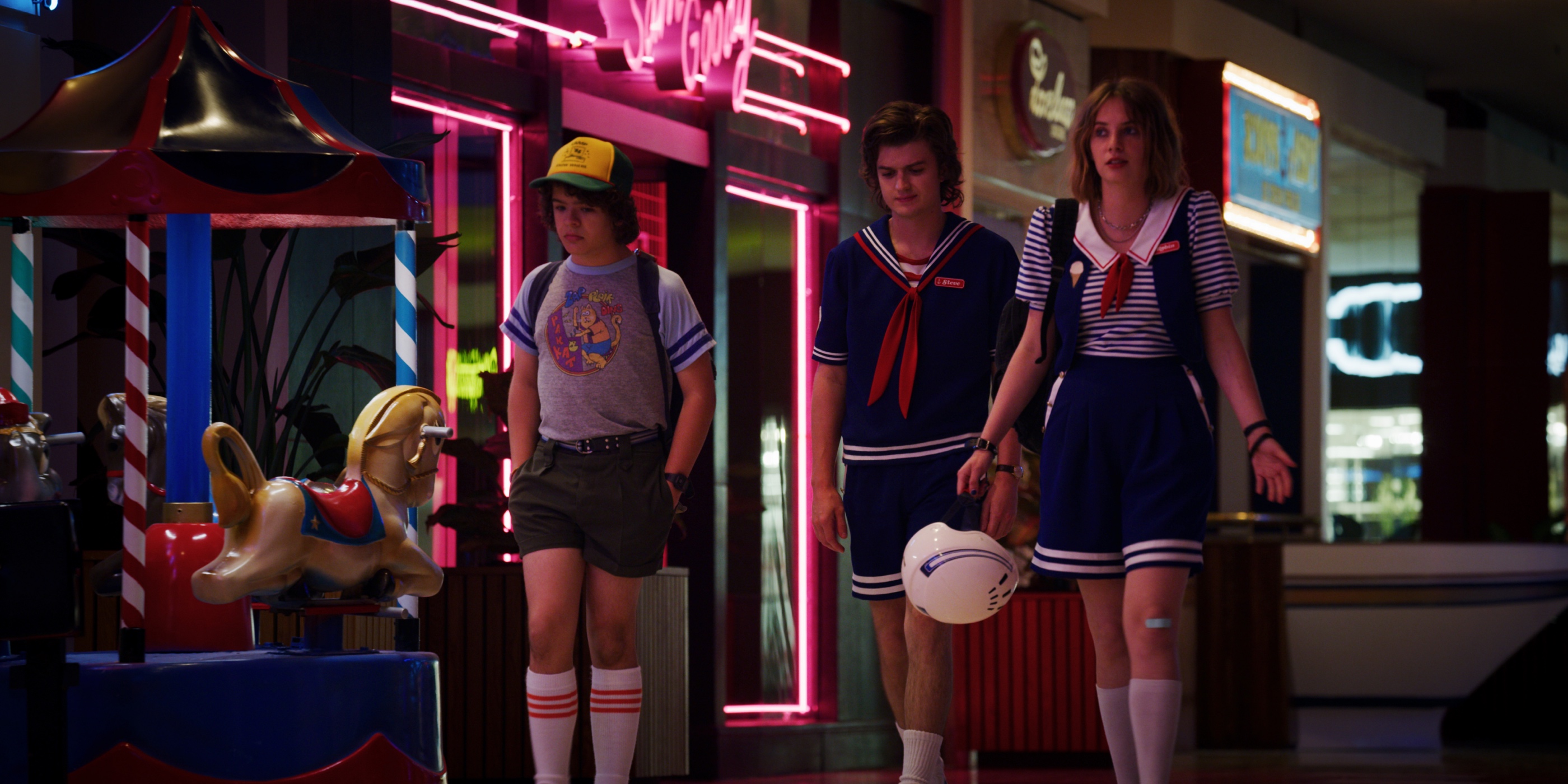
Season three was probably the hardest that we did. We built the entire mall from the ground up. Everything was dressed. All the stores had everything in them. And at the same time I’m planning the carnival. It was a multi-million dollar expenditure to get all the rides, to get all the original incandescent lighting and other things. And then season four got even bigger because we’re on different continents. If anything, season five spends a lot of time in the Upside Down, so there’s less things to do for set decoration. You take it as it comes, and if it doesn’t kill you, it makes you stronger.
Set decoration of “Stranger Things” by Jess Royal, courtesy of Netflix.
Kirill: How disruptive was Covid for your department?
Jess: Everyone shut down, so it was less disruptive than the writer’s strike was for season five. We still had some people working and building, but set decoration was out of the loop for a while. We came back to all these sets that were built, and a lot of decisions had to be made really fast to get them dressed so we could start shooting right away.
I was working from home, keeping in touch with some friends in Russia who supplied us with computers and some other things. They were still shipping technology back to the US that I was gathering. That way, when we got back in from Covid, I was ready to hit the ground running. We started going back to Lithuania to scout. When everyone stops at the same time, it doesn’t feel as oppressive. The biggest problem there was just the kids looked so much older after we came back [laughs].
Set decoration of “Stranger Things” by Jess Royal, courtesy of Netflix.
Kirill: What are your personal highlights of the fifth season of the show?
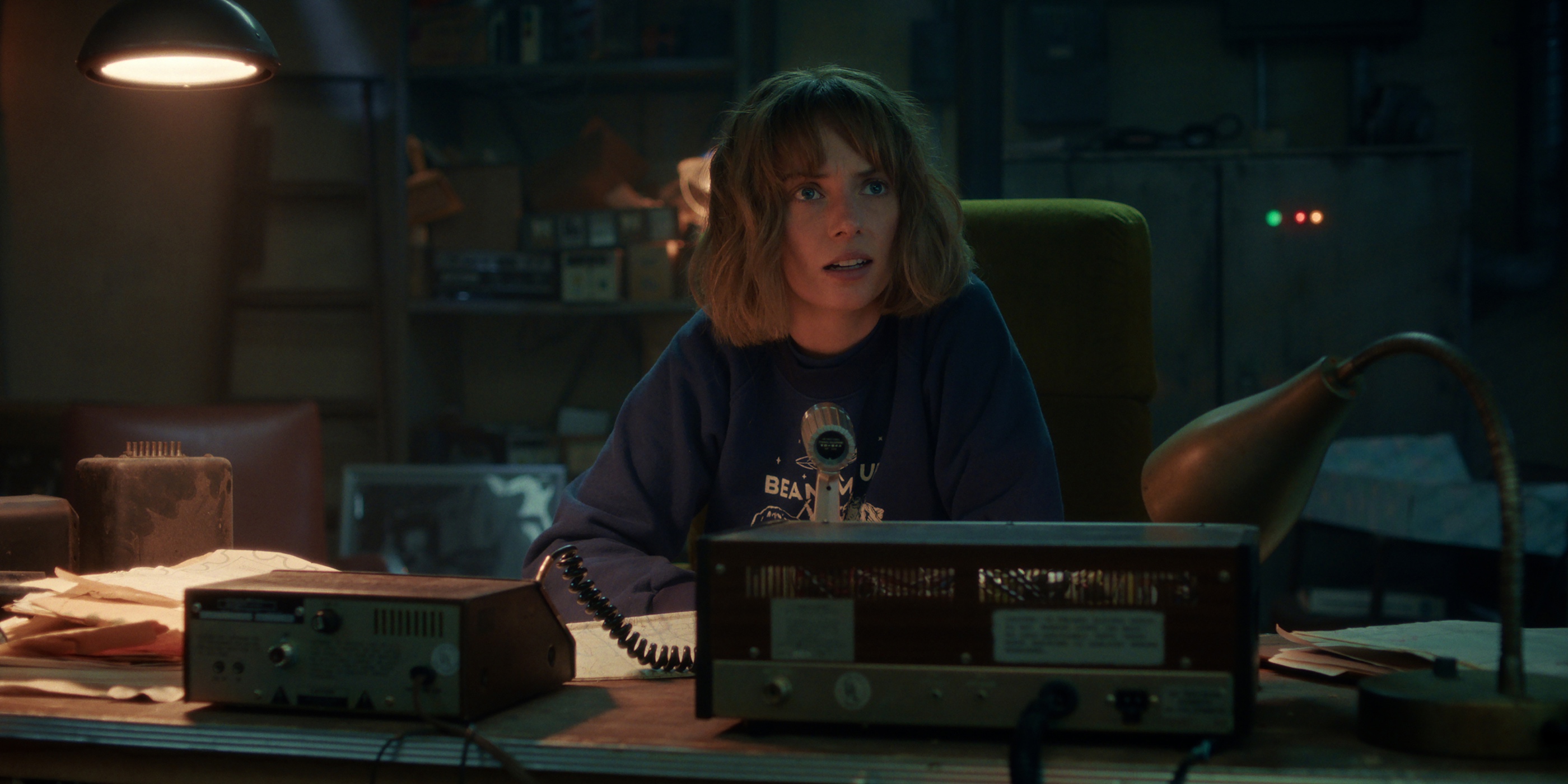
Jess: I think the production designer and art director and I all agree that the radio station was one of our crowning achievements for the whole show. It brought in so many elements. We built the exterior fully around the Palmetta area in Georgia, and the residents that were driving by were not able to figure out what it was. You have all the neon lights, and the start of the tower right there on site. There was so much research around how everything should look like – the transmitter, the copper lines for certain spaces, etc.
It was based on a real radio station in North Carolina that the Duffers grew up nearby that they were always inspired by. Chris had found it in his research on radio stations, so it synced once they saw that in his lookbook. We copied pretty much the whole layout of that station. We ended up going up there, and picking up some of their dead equipment and elements that they had at the actual radio station, and bringing it back to Atlanta. Then we made it fit within the world of “Stranger Things”, adding a livable hangout space with all the records. It was so much fun for me to select all those bumper stickers on the walls.
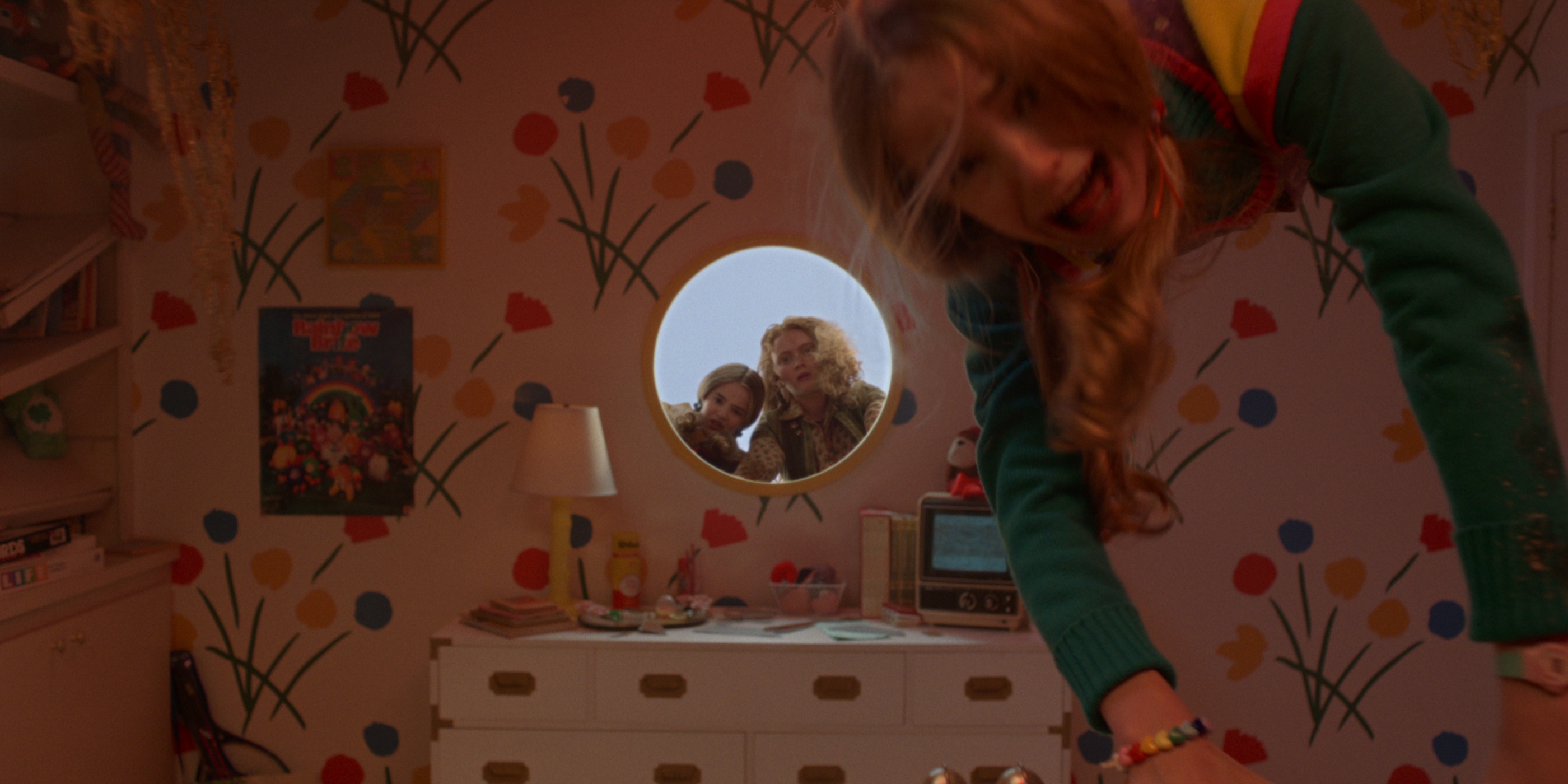
Then we have Holly’s room. I always loved the floral Marimekko wallpapers that you see in old references and magazines from the late ’70s to early ’80s. It was so exciting to use it there, as it ended up being my dream bedroom that I never had as a kid. It also is such a hard contrast with what happens in that bedroom. You see this happy bright colorful room, and then all of a sudden a monster is coming through the ceiling and trying to steal her. It’s that fun “Stranger Things” contrast.
Derek’s bedroom at the Turnbow house was a lot of fun. He’s like my spoiled little brother growing up, and everything I was jealous of, he had it. It was a little bit of a take on Francis from “Pee-wee’s Big Adventure”. Everything that happens in that house is so “Stranger Things”, with the kids all setting traps and doing their beats to catch the Demogorgon. I like the cultural life layer more than I do the pure sci-fi stuff, because it’s given me more to do.
Set decoration of “Stranger Things” by Jess Royal, courtesy of Netflix.
Kirill: Where do you find this big grandfather clock that we see in the Upside Down?
Jess: I had a lot of options from eBay and different auctions. We needed some of the elements to be replicated, so we couldn’t have anything so unique and crazy that it would be too hard or time consuming to copy it. Once I found that one clock, that was it. It was traditional enough, but also big and imposing. I shared that with the Duffers and Chris, and they all loved it. I wish I had a more interesting story [laughs], but it was one of those you know it when you see it moments. I think it was in Michigan, and we bought it off eBay on auction, and had it transported down to Atlanta.
We were all careful with it on set. We would put it into a tree or a coffin, and we didn’t want anything to break. We had a few variations of it where they built it just in case, but it held together pretty well.
Kirill: As they go into the Upside Down, they see the mirror “images” of their houses, the school and other places. How did you approach decorating these “other world” houses?
Jess: On most seasons it came up later. Going into it, I didn’t necessarily have a plan to replicate everything.
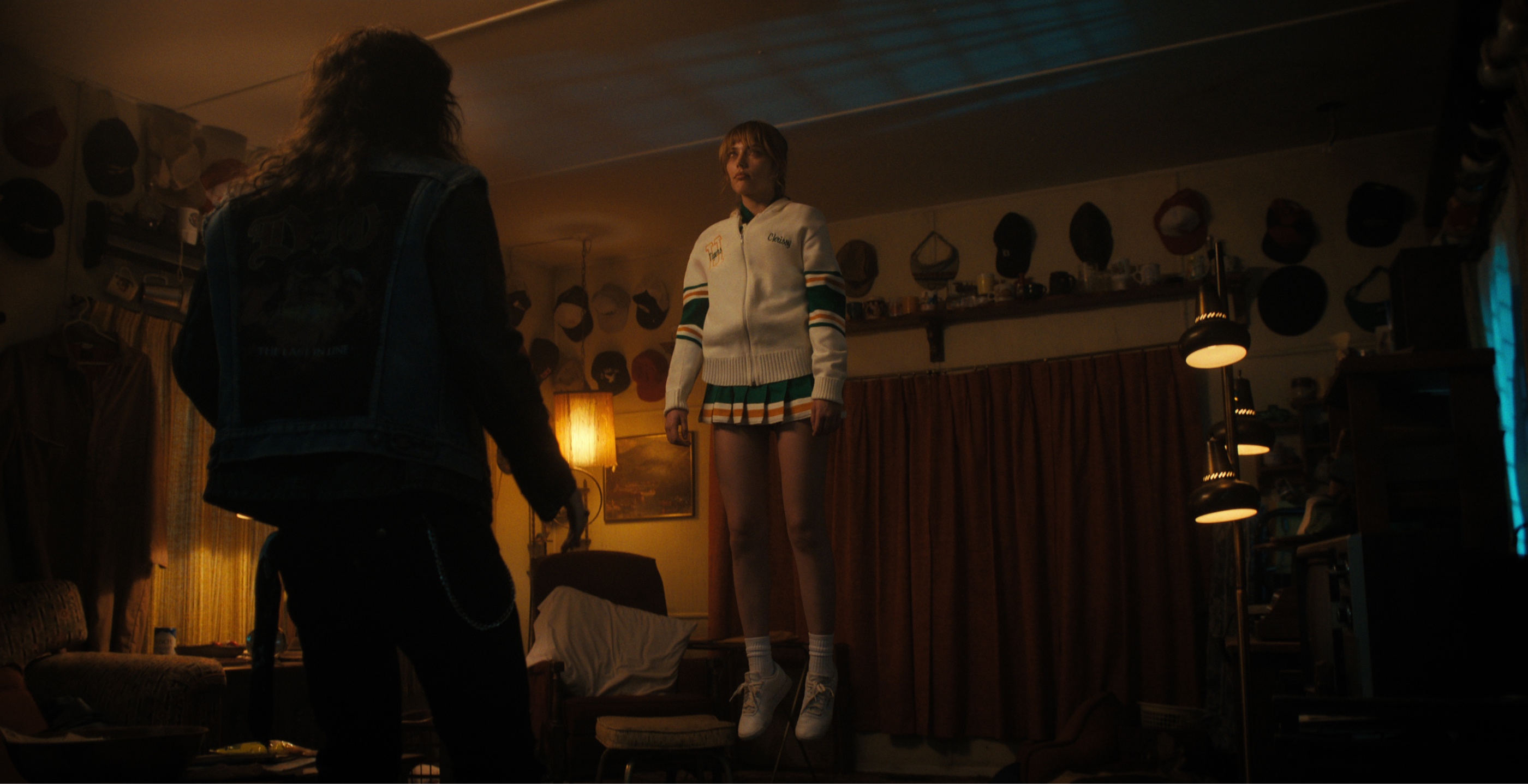
I found Eddie’s trailer in Florida, and had it shipped up. Then we found that it had asbestos in it, and we had to take all the asbestos out. I decorated it with this whole collection of trucker hats, and a whole collection of coffee mugs, and other stuff that was all over the trailer. It was almost a small house that we were creating. Then, after we had already started shooting, we found out that they were going to have to go in the Upside Down in his trailer.
It was a little bit forgiving, because the tentacles and the vines can help cover if there’s something I cannot find as an exact replica or a duplicate. It’s also flexible because the Upside Down was created at a moment in time in 1983. While certain things have changed in the real world over the years, you can go back to that original – what it would have been in 1983 in the Upside Down. By the time season five came around, I was already planning for everything to be seen in the Upside Down, trying to find at least two if not more of everything.
We didn’t even see the Wheeler house in the Upside Down until at least season three or maybe season four. A lot of that stuff ended up being covered with vines or painted over. Then the next season I had to try and clean it up when we saw the house back again in the Rightside Up. It was a trial and error process.
Set decoration of “Stranger Things” by Jess Royal, courtesy of Netflix.
Kirill: Are you by now used to walking away from these sets and spaces that you’ve decorated, spaces that have lived in your head for a full decade?
Jess: I think I handled it better than a lot of people. There are some people in other departments who came on just for season five. I saw some of them crying on the last night we were filming, and I was a little more bittersweet.
I’ve been planning for it for a long time. Originally, we were only going to do three seasons. When we were first setting up for season one, the Duffers said if people actually watch this, then we have a three season arc we’re thinking of. We’ll know what it is, and there’s an end point, and we can plan for that then. And as it got bigger and bigger, there was the push to have more content, so they expanded some storylines and we ended up going five seasons.
But mentally I’d always been prepared for three seasons. So by the time we got to season five, I was ready to move on and do other things. I would do anything with the Duffers always. They’re the best. But at least for this storyline and these characters, I felt like we watched them grow up and I liked the ending. I was OK with letting it go.
Kirill: Did you get to keep any piece to yourself for your personal collection?
Jess: Not anything that anybody would notice or care about. I kept a set of glasses from the Wheeler house. I have a firm “one in, one out” rule in my house. Working as a set decorator and being tempted to keep so much, I have to purge something else if I’m going to bring something into my house. There’s so much that people wanted, so I just let them have their pick, and I kept those glasses for myself.
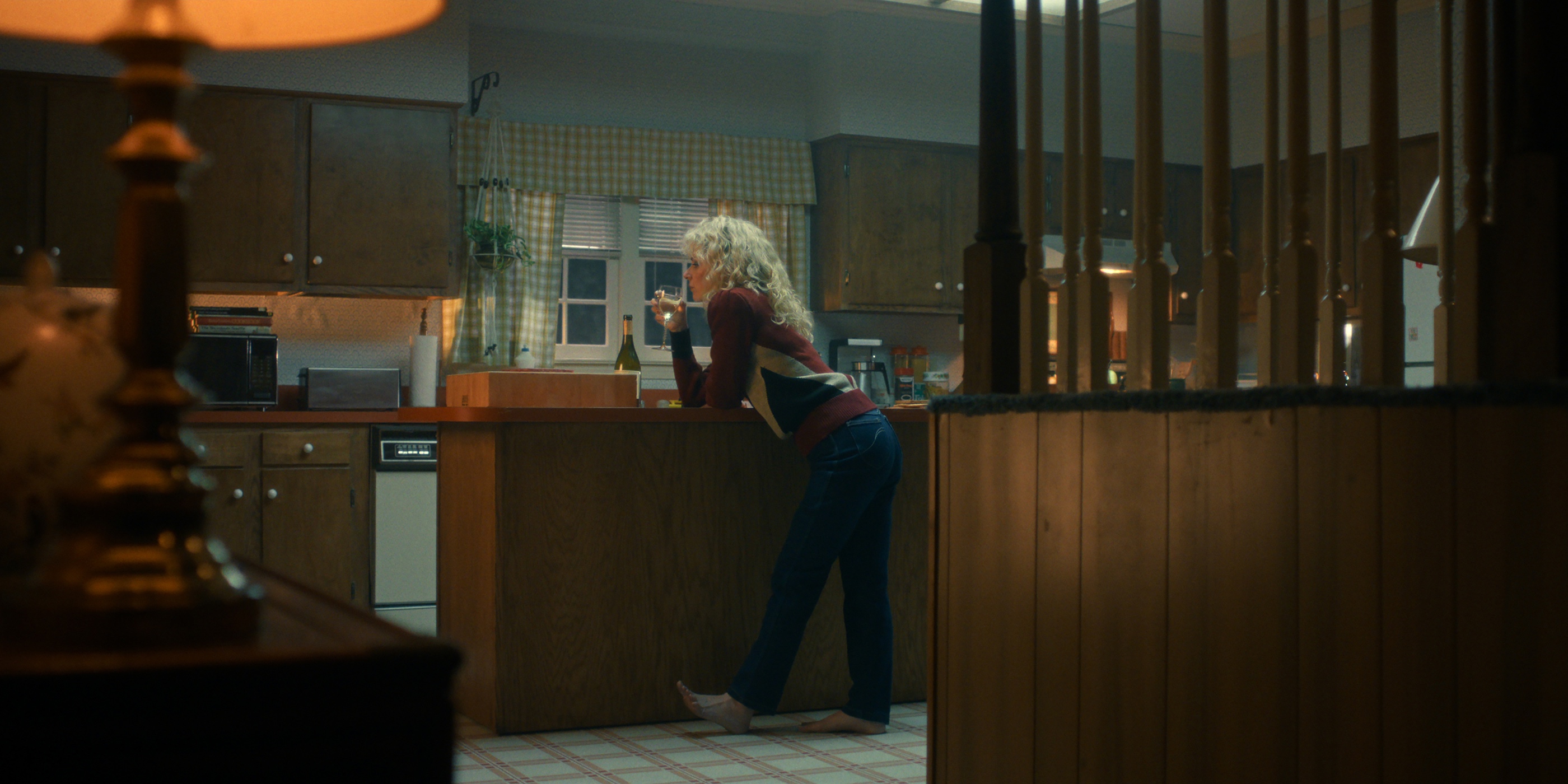
Set decoration of “Stranger Things” by Jess Royal, courtesy of Netflix.
Kirill: How do you see the world of generative AI today in your industry?
Jess: It’s a hot topic. Last summer I worked on the movie “Artificial” about Sam Altman, Elon Musk and Ilya Sutskever who is one of the people who created OpenAI. I downloaded ChatGPT for that movie, because I felt that I should try and figure out how people were using it and what it was all about. But honestly, I deleted it after that movie and I have turned off every aspect of AI that you can on your phone, be it in search results or email summaries.
As far as technology goes, I’m old school. For a long time I thought that the Internet was just a trend and that it was going to go away eventually [laughs]. Obviously I was wrong on that. I still read books and I don’t like to read anything digitally. Of all people you would ask that question to, I’m hoping if there ever is a dark age again and technology falls by the wayside, I’ll be poised to do really well. I know how to use card catalogs and libraries and microfiche and all the old analog technology.
There are already actors and actresses that are being created by AI that people are embracing as real people, and it’s troubling. But there is a spot for a real physical person coming up with these concepts as a production designer or as a decorator in a lot of these productions – at least for now, until AI is so good that they can think our thoughts better than we can. As of right now, I feel like AI gets it wrong a lot of times, so there’s still definitely a need for human beings and creativity in that sense.

Set decoration of “Stranger Things” by Jess Royal, courtesy of Netflix.
Kirill: What are the key ingredients to longevity in this field?
Jess: It’s very important to start from the bottom and do it the hard way, and I believe in doing it the hard way. You can start as a PA and learn your craft watching other people do it well. I was a location scout, but I started even below that as a locations PA. I was cleaning out porta potties and honey wagons. And that was after finishing law school and practicing law, so I had to humble myself, take a step backwards, and watch other people do their jobs well. It also advised what I wanted to do specifically in the industry and how to do it well.
There was a period of time here in Atlanta when they were making so many movies and there was a need to have more crew in the union. People were saying that I don’t even have to start at the bottom. I can join the union now and start working. I think that was a missed opportunity for people to start and learn the industry from the ground up. A lot of the people I know who have left the industry now are people who went in too fast, did their thing for a couple years, and now they’ve had to go back to working in some other places.
Take your time. Be a small person observing for a while before you think yourself having made it in film.

Set decoration of “Stranger Things” by Jess Royal, courtesy of Netflix.
Kirill: What was your favorite dish that you had while you were working on “Stranger Things” in Lithuania?
Jess: The best place that we ate in Lithuania was a Mexican restaurant that was owned by a mixed couple – the wife was from Mexico City and then husband was from Vilnius in Lithuania. They opened this little adobe casa place right downtown near our hotel, and it was some of the best Mexican food I’ve ever had.
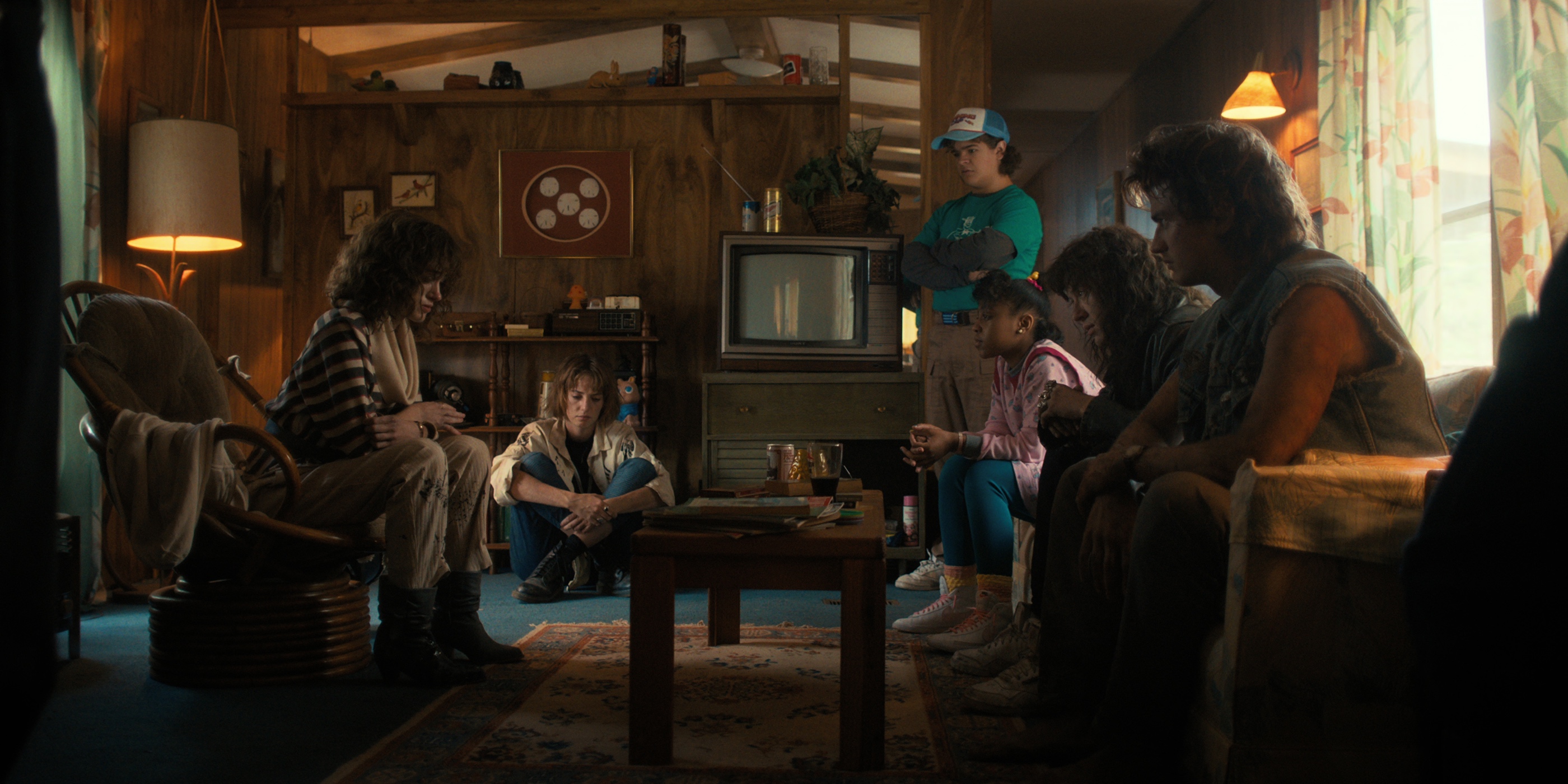
Set decoration of “Stranger Things” by Jess Royal, courtesy of Netflix.
And here I want to thank Jess Royal for sharing her time with me to talk about the art and craft of set decoration, and for sharing the supporting materials. I also want to thank Meghan Johnson for making this interview happen. All seasons of “Stranger Things” are streaming on Netflix. Finally, if you want to know more about how films and TV shows are made, click here for additional in-depth interviews in this series.
