Cinematography of “Andor” – interview with Christophe Nuyens
Continuing the ongoing series of interviews with creative artists working on various aspects of movie and TV productions, it is my pleasure to welcome Christophe Nuyens. In this interview, he talks about the transition of this creative field from film to digital, bridging the gap between feature films and episodic productions, learning from different cultures, and what advice he’d give to his younger self. Between all these and more, Christophe dives deep into his work on the second season of “Andor”.
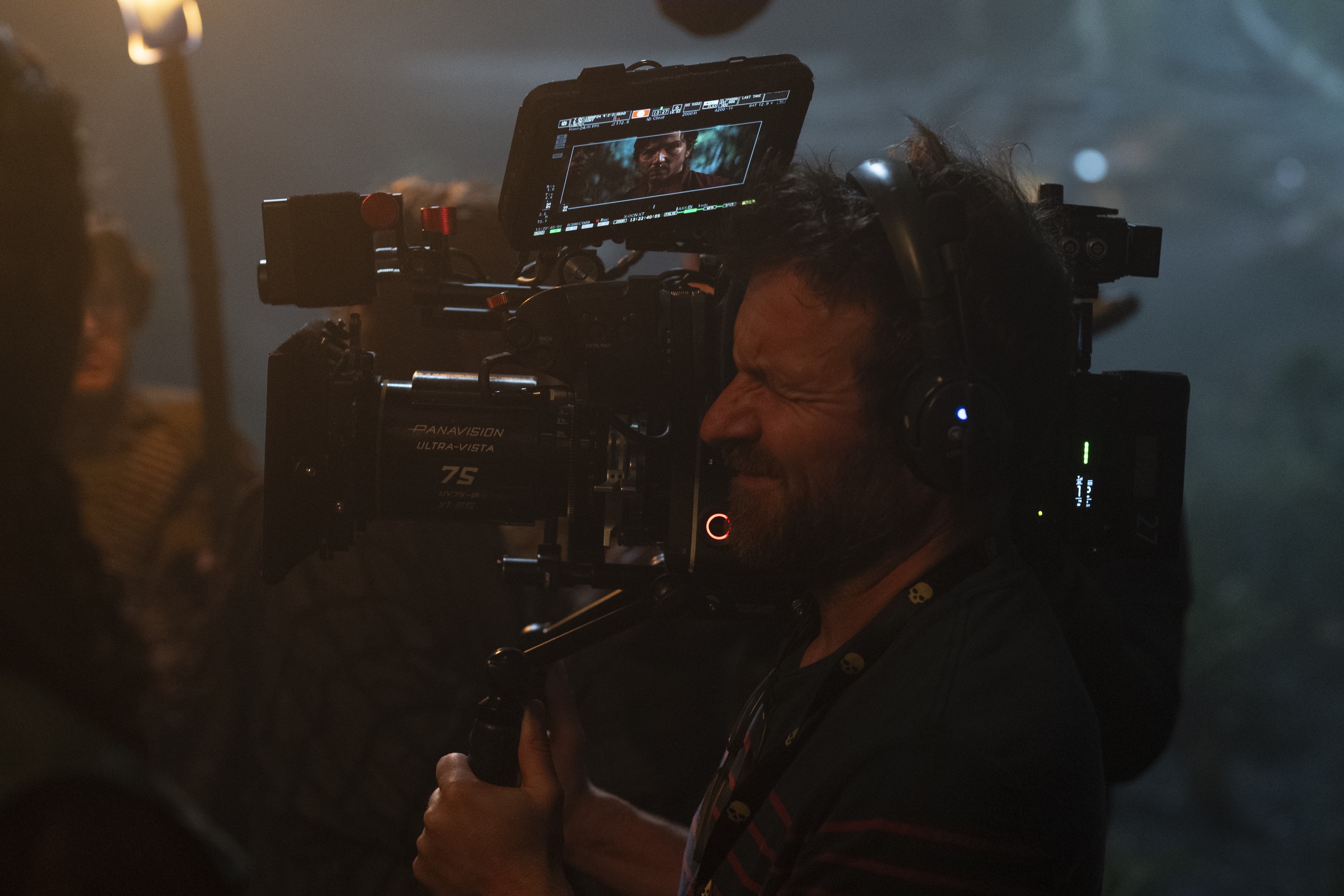
Christophe Nuyens on the set of “Andor”. Courtesy of Lucasfilm/Disney+.
Kirill: Please tell us about yourself and the path that took you to where you are today.
Christophe: I finished a trade school as a general electrician, but I wanted to do something more, and I went to film school. During your first year you can choose between editing, sound and image – which is light and camera. So we had our first workshop, and I had the camera in my hands, and I knew this was it. I really loved the mix of technical and creative.
Kirill: Do you feel that you can teach the technical part, but the artistic part comes from within a person, and if one doesn’t have it, it can’t be learned?
Christophe: No, I think you can teach both. When I was growing up, I didn’t have a lot of cultural influences in my life, at home or at school. It is something that I grew over the years. When I started at the film school, I noticed that I needed to catch up on it. I spent a lot of evenings around that time watching movies with my friends, and it grew on me.
You can cultivate it the same way you cultivate the technical skills. There are also people who are more artistic than technical. Maybe I am more naturally inclined to be better at the technical side, but I grew and worked on my creative side over the years. I really believe you can grow the creative part of your brain.
Kirill: Is there such a thing as universally good art vs universally bad art, or is it all subjective?
Christophe: It’s subjective. There’s so many forms and styles of art. And that is good, because there’s something for everybody. Everything can be art, and people with different taste can find things that they appreciate.
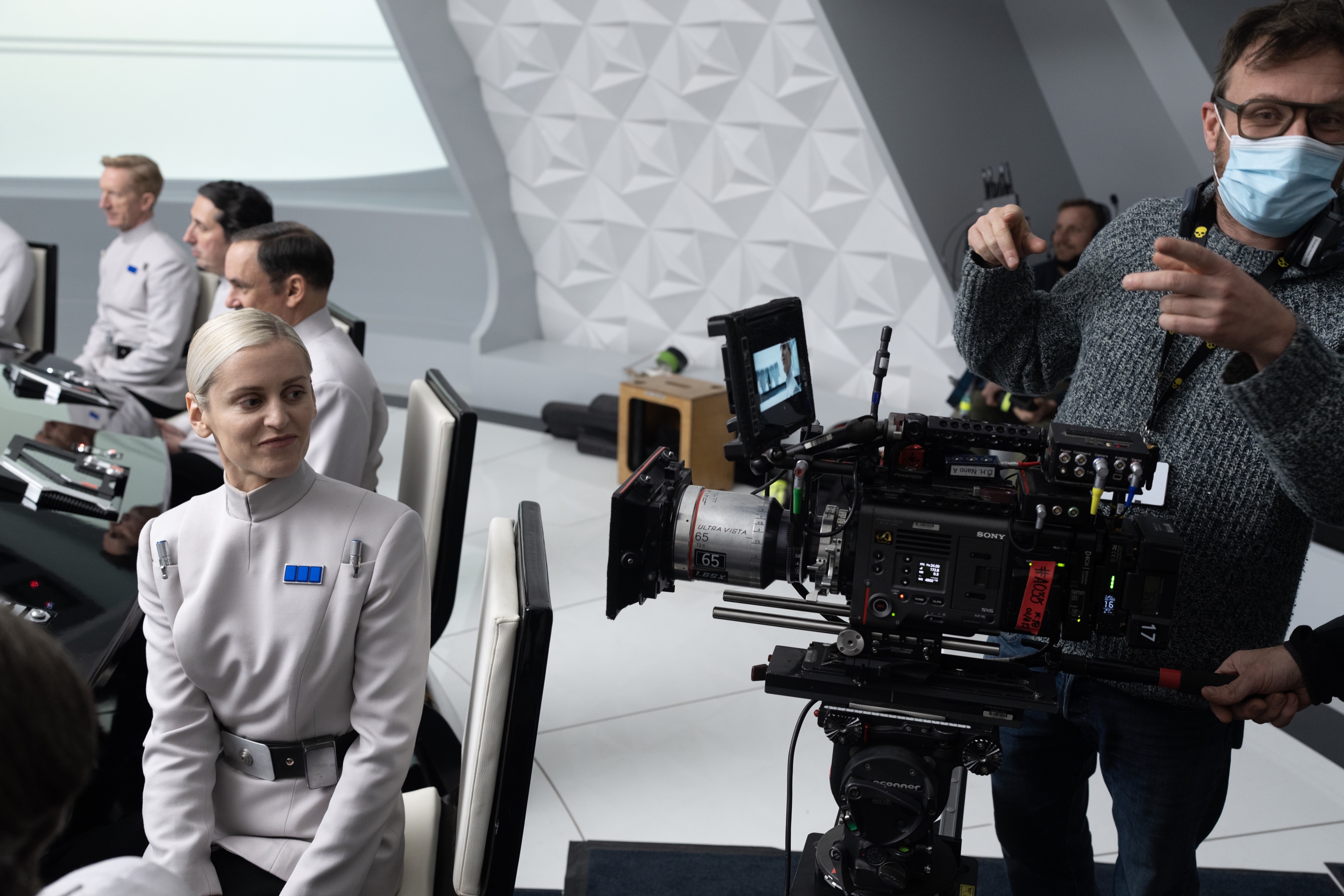
Christophe Nuyens on the set of “Andor”. Courtesy of Lucasfilm/Disney+.
Kirill: Was film still a thing when you were in film school?
Christophe: We did most of our projects on 16mm, either Bolex or Arriflex SR2. We did a few things on video, but it was really basic at the time. I remember those assignments to film something and edit it ourselves, and it was a nightmare. The computers were slow, the Video cards didn’t work, the software was basic. It’s incredible to see how all of that progressed since then. These days I teach at that same school, and the difference is night and day. They can edit it in DaVinci, they can grade it, and it’s so accessible. Sometimes I’m a bit jealous to see that [laughs].
Kirill: How was the transition from film to digital for you after you finished the film school?
Christophe: When I graduated, most of the productions were still on film. I was exposed to both mediums, and I’m happy about it. I know how to light for film. I still have an analog still camera, and I use it a lot.
But at the same time, I’m so happy that the digital revolution happened. It’s a bigger toolbox for your creativity, especially for night scenes. It’s much easier to light something natural, and to do something with less. I started my career in Belgium, and it’s a smaller market with smaller budgets for TV shows and films – but you still want to make good things. I did a TV show called “Cordon” about 10 years ago. It was an ambitious project for its small budget, and that project started my international career. I don’t think it would have been possible to make that project on film. We had a lot of night scenes on it, and it’s so much different to light a night scene on a digital camera.
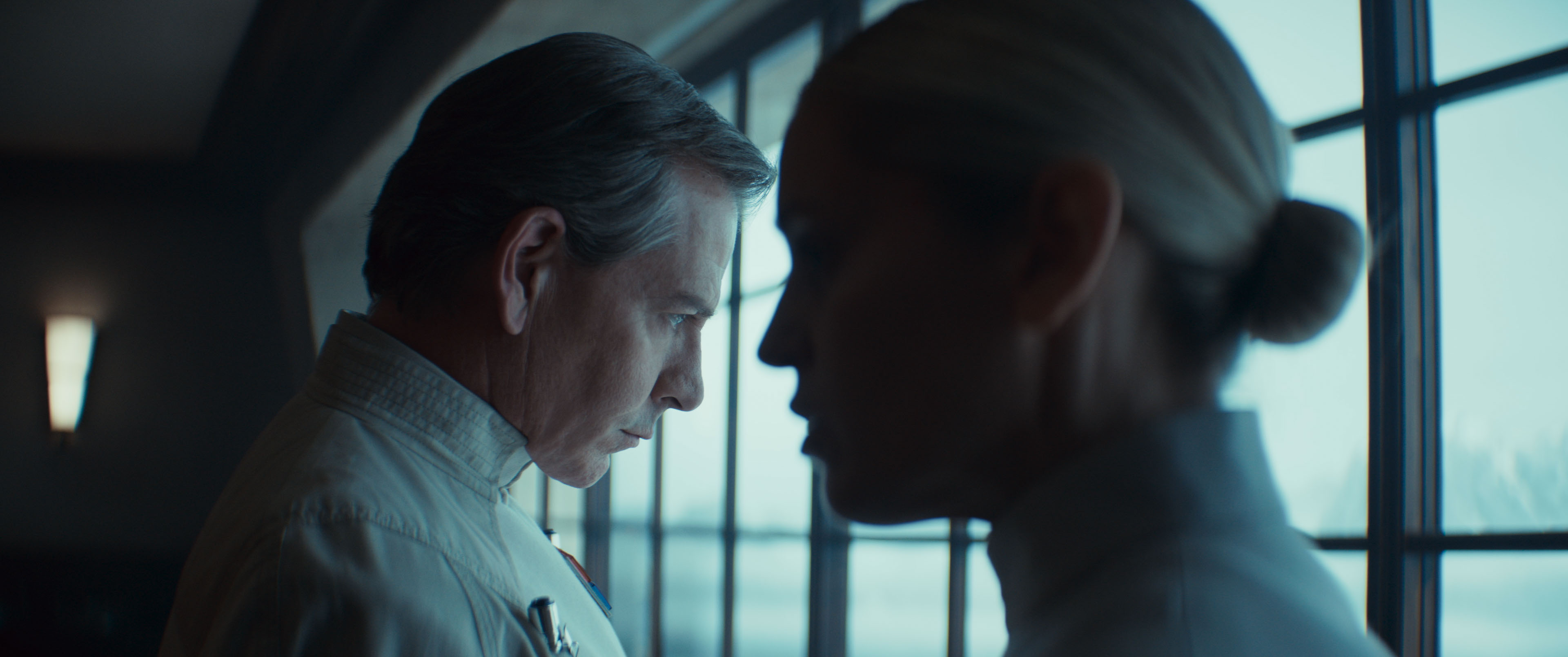
Cinematography of “Andor” by Christophe Nuyens. Courtesy of Lucasfilm/Disney+.
